
Photo: Michael Jenselius / Wikimedia Commons (CC BY 2.0)
Ngoen Thaep: When Lanna Paid in Indian Rupees
Ngoen thaep (เงินฯแถปฯ, Kham Mueang reading ngoen thaep) is the Indian rupee, the coin that served as the main currency in Lanna's markets for about a hundred years before the Thai baht took over. The word holds a piece of vocabulary, a chapter of economic history, and the story of the silverware still found in Northern Thai homes today.
This post is part of our series Kham Mueang Word of the Week, where we take one Lanna word and tell the story behind it. Every word comes from the Moradok Lanna dictionary.
What does ngoen thaep mean?
The dictionary defines ngoen thaep as "the Indian rupee". It also has a shorter word, thaep (แถปฯ, read thaep), with the same meaning: "the rupee of India, once popular in the North". The scholar Sunthon Khamyot (2020) says the same: when Lanna was a tributary state of Siam, people used the "rupee", which Lanna people called ngoen thaep.
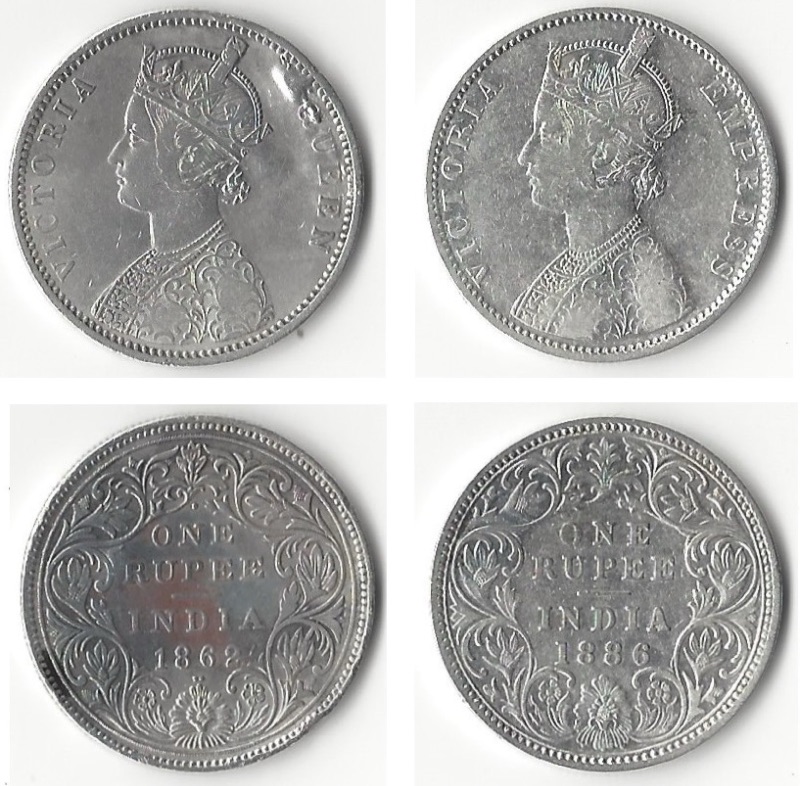
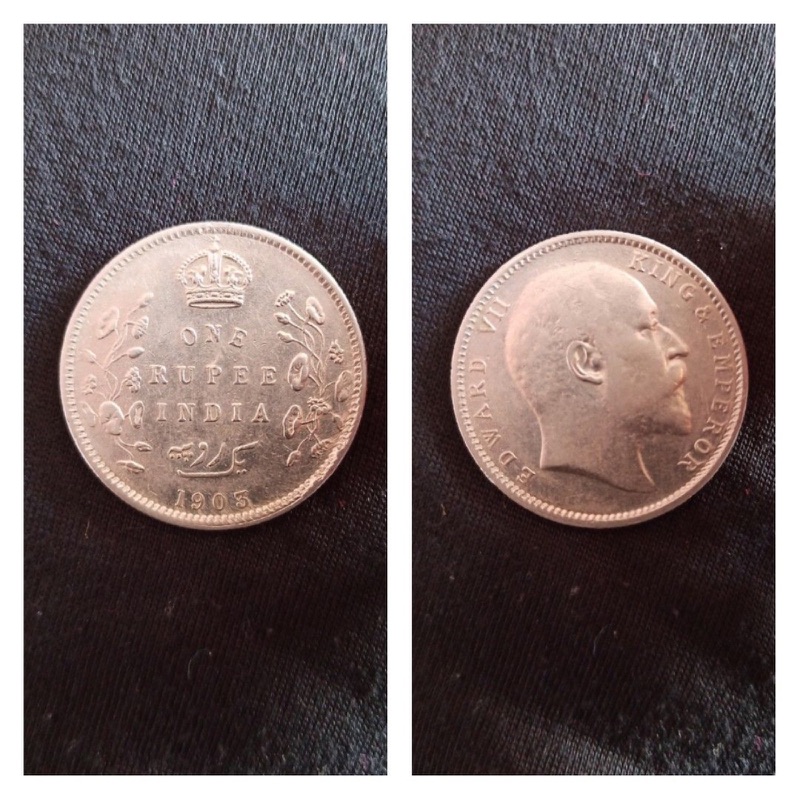
According to the dictionary, the first coins to spread widely showed Queen Victoria wearing a crown; later came coins with King Edward.
How did the rupee reach Lanna?
The answer lies in the forests of teak (mai sak, ไม้สักฯ). The dictionary explains that the British brought the rupee in with the teak trade and with open border trade between Lanna and Burma, then a British colony. An article by Aphirat Kamwang in the Journal of Social Sciences of Naresuan University agrees: the British teak trade and free trade along the Lanna–Burma border tied the rupee to Lanna's economy for about a century.
The rupee did not stay with the timber companies. It travelled with long-distance traders. Kham Mueang calls the leader of a pack-horse or pack-ox caravan nai hoi (นาฯยฯฮ้อฯ, read nai hoi), and the money flowed on to the kat (กาดฯ, read kat), the markets of every town.
Why did the baht lose to the rupee?
The dictionary records that the Siamese government tried to bring the baht (บาฯทฯ, read bat) into circulation in Lanna from 1898, without success. The rupee only began to fade after the railway from Bangkok reached Chiang Mai and the Northern economy grew. Later, when Siam could mint more coins and the rupee lost value, the baht finally took its place.
From coins to silverware and jewellery
The rupee was made of silver, so people liked to keep it or melt it down rather than simply spend it. The dictionary tells how smiths turned rupees into silverware such as the salung (สๆลฯง, read sa-lung), a bowl for water or temple offerings, flower trays, the jok (จอฯก, read jok), a small water cup, as well as belts and jewellery. Highland peoples liked to pierce the coins and string them or sew them onto clothes, hats and neck rings, for beauty and to show status.
The dictionary also records an old belief about treating fever, a rite called haek tum: a traditional healer placed a rupee inside a boiled egg with the yolk removed, wrapped it in cloth and rubbed it over the patient while reciting a spell. People believed the fever would cling to the coin and turn it black.
Khon bo tem thaep: the idiom the rupee left behind
The coin is long gone, but it left an idiom behind: khon bo tem thaep (ฅ฿นฯบ่าฯเตัมฯแถปฯ, read khon bo tem thaep), literally "a person who isn't a full rupee". It describes someone a bit daft, not quite all there, just like the central Thai idioms "not a full baht" or "three salueng" (three quarters of a baht).
Kham Mueang words for money and coins
| Kham Mueang | Reading | Meaning |
|---|---|---|
| ซะทาฯงฯ | sa tang | coin (from Thai satang) |
| ซะทาฯงฯแดงฯ | sa tang daeng | the red satang, a copper one-satang coin |
| ซาวฯห้าซะทาฯงฯ | sao ha sa tang | 25 satang, one salueng |
| โซอฯะซะทาฯงฯ | so sa tang | to earn money |
| บอฯกสตาง์คฯ | bok sa tang | a bamboo tube for dropping coins in, like a piggy bank |
| เบ้ยฯหัลฯงล้฿งฯ | bia lang long | a freshwater cowrie shell once used as money |
| ถ฿งฯเงินฯถ฿งฯฅำ | thong ngoen thong kham | a bag of silver and gold, a gift at auspicious ceremonies |
Summary
- Ngoen thaep (เงินฯแถปฯ), or simply thaep, is the Indian rupee, used in Lanna for about a hundred years.
- It arrived with the British teak trade and the Lanna–Burma border trade.
- Siam tried to bring in the baht from 1898, but the rupee only really faded after the railway reached Chiang Mai.
- Rupees were melted into silverware and jewellery, and left the idiom khon bo tem thaep in the language.
Read the full entry for เงินแถบ in the Moradok Lanna dictionary (in Thai), or head to the market with more Kham Mueang in Going to the Kad: Kham Mueang Words for the Market.
Sources
- Moradok Lanna dictionary (in Thai): เงินแถบ · แถบ · คนบ่าเต็๋มแถบ · ซะตาง
- Aphirat Kamwang. The Indian Rupees in the History of Lanna. Journal of Social Sciences, Naresuan University, vol. 9, no. 1, pp. 9–51.
- สุนทร คำยอด [Sunthon Khamyot]. (2020). เงินแถบ: เงินตรา ประวัติศาสตร์ อำนาจ และพิธีกรรม [Ngoen Thaep: Currency, History, Power and Ritual]. Khuangpaya Journal, vol. 14, no. 1, pp. 112–135 (in Thai).
Practise the words from this article
Flip through 17 flashcards of the Lanna words used in this article.


