

Photo: YashiWong / Wikimedia Commons (CC BY-SA 3.0)
Lanna Dance: Fingernail, Candle and Fon Choeng Dances
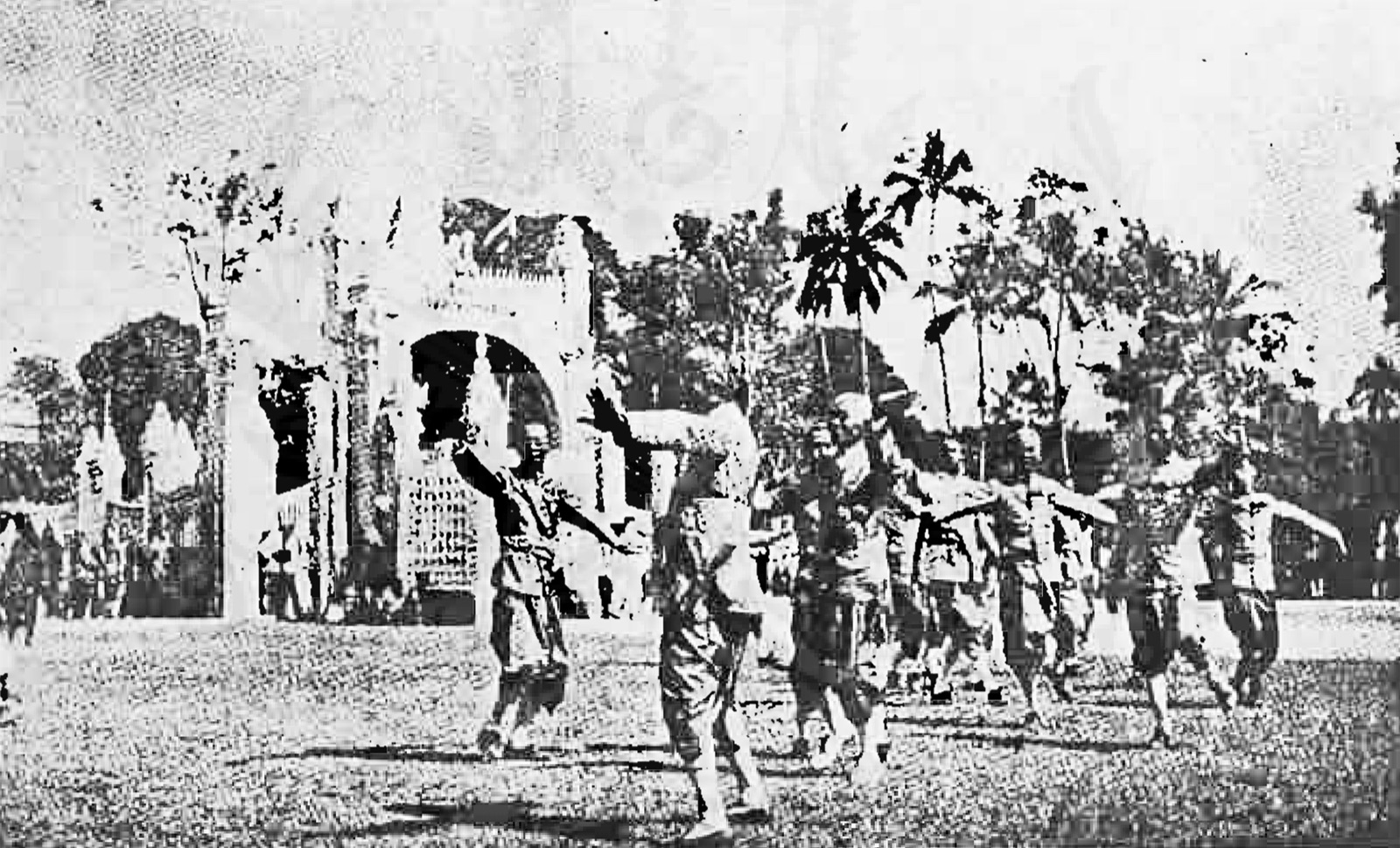
Lanna dance is the dancing of the Khon Mueang, the people of Northern Thailand. The word fon (ฟ้อฯร, fon) means the same as "ram" (to dance) in central Thai. The best-known kinds are three: the fingernail dance, the candle dance and fon choeng. To an outsider they look alike, but their origins, their dancers and the time they are performed are very different.
This article introduces all three, together with the Lanna words for the music, the costumes and the temple festivals where dancing usually takes place.
What does "fon" mean in Lanna?
The Moradok Lanna dictionary gives fon two meanings: "to dance", moving the body to a song or music, and "a dance" that does not tell a story but aims at beauty in rhythm. A dance performed with a weapon is named after that weapon, for example the sword dance, fon dap (ฟ้อฯรดาบฯฯ).
People in Lanna often call the fingernail dance and the candle dance together fon mueang, dance in the style of the "Khon Mueang" or Tai Yuan people, according to Chiang Mai College of Dramatic Arts (2020). A dancer is called a chang fon.
| Dance | Who dances | When / where | Distinctive feature |
|---|---|---|---|
| Fingernail dance (fon lep) | women dancers, in a group | by day, outdoors | long metal nails on every finger except the thumb |
| Candle dance (fon tian) | women dancers, in a large group | at night, outdoors | a lit candle held in each hand |
| Fon choeng | — | before the sword dance, or at temple festivals | palms slapped along the body, showing martial skill |
The fingernail dance: a daytime dance for women
The fingernail dance, fon lep (ฟ้อฯรเลัปฯ, fon lep), is described in the dictionary as "a performing art unique to the North". The dancers wear a horizontally striped sin skirt, a long-sleeved fitted blouse with a shawl over it, hair tied up and decorated with flowers, and "long, tapering, upturned metal nails on every finger except the thumb".
The fingernail dance is usually performed by day, at celebrations of religious buildings or to welcome honoured guests. The dictionary gives these brass nails as one example of khua tong (ระฯค฿วฯทอฯง, khua tong): ornaments and utensils made of gold or brass.
The fingernail dance in the offering procession
At a poy luang temple festival, dancers lead the procession that carries offerings (khrua tan) to the temple. A 2025 study by Wutthiphong Kham-on (วุฒิพงศ์ คำออน) and colleagues found three kinds of dance in these processions, depending on the area: the fingernail dance, the offering-procession dance and fon mueang. There are both the host temple's dancers (chang fon hua wat) and dancers who come with the processions from other temples.
Lanna has a neat word for each side: fon nam (ฟ้อฯรนาฯ, fon nam), dancing at the head of a procession of offerings, and fon hap (ฟ้อฯรรัปฯ, fon hap), the dance a host puts on to welcome the visiting processions. Read more about the poy luang festival in the article Poy Luang (in Thai).
Thai Wikipedia, citing the Fine Arts Department, says there are two styles of fingernail dance: the folk style and the style of the Chiang Mai royal court, which Princess Dara Rasmi refined and took to Bangkok for the white-elephant celebration under King Rama VII in 1927. The teacher Lamun Yamakup (ลมุล ยมะคุปต์) later passed it on as a Fine Arts Department performance.
The style of Mae Khru Bua Riao Rattanamaniphon (บัวเรียว รัตนมณีภรณ์), National Artist in performing arts (dance) in 2016, who learned it from Pho Khru Mo Chaisom and Pho Khru Kui Suphawasit. It has 16 movements plus 1 linking movement, is danced in a circle or a figure eight, and is accompanied by a pat kong ensemble (พาท์ยฯค้อฯง, Lanna pi phat music) (Wutthiphong Kham-on and colleagues, 2025).
In Phrae the fingernail or offering-procession dance is called fon klong uet, after the music that goes with it: the kong uet (กลฯอฯงอืดฯ, kong uet), a large drum that the dictionary records as "found only in Phrae Province". The style of Mae Khru Kritsana Kanchanasurakit has 10 main movements in 15 sequences (Wutthiphong Kham-on and colleagues, 2025).
The candle dance: candlelight on the khuang at night
The candle dance (ฟ้อฯรทยฯร, Kham Mueang reading fon tian) is, in the dictionary's words, a dance in which the dancers "hold a lit candle in each hand". It is normally performed outdoors at night, for example in the middle of a khuang (ข่วฯง, khuang), an open ground, or in a temple courtyard.
The dictionary says the beauty of the candle dance "lies in the large number of dancers and the sparkle of the candlelight as they dance". Its movements are close to those of the fingernail dance, with candles instead of nails.
Costume in the Chiang Mai court style
Teachers at Chiang Mai College of Dramatic Arts (2020) studied the costume for fon mueang in the Chiang Mai royal court style and found three versions:
- A brocade silk outfit with a shawl.
- A plain village style: an off-white or cream blouse, a sin tin chok skirt and a shawl.
- A shawl worn diagonally with a sin tin chok skirt, used only for the candle dance.
The hairstyle is the one known as "kabang na fon mueang". The anklets that were once part of the costume are rarely seen today.
Fon choeng: the dance of fighters
Fon choeng (ฟ้อฯรเชิงฯ, fon choeng) is clearly different from the first two. The dictionary describes it as "the dance of going into battle". The word choeng (เชิงฯ, choeng) corresponds to central-Thai "choeng", meaning skill in combat, the Lanna martial art handed down over generations.
Its signature movement is top ba phap (ต฿ปฯบ่าฯผาปฯ, top ba phap): slapping the palms quickly against the palms and backs of the hands, the elbows, knees, calves and feet, loud enough to be heard. The dictionary explains that it shows the body is ready, builds confidence, and "also intimidates the enemy". It is usually performed before the sword dance.
In the academic article From Fon Choeng to Fon Phang (Journal of Liberal Arts, Ubon Ratchathani University, 2019), the researchers explain that Pho Khru Manop Yarana (มานพ ยาระณะ), National Artist in performing arts in 2005, revived fon choeng and set its movements in order. His version shows "fighting skill and a graceful style of dance, offered in homage to the Buddha". He also used its basic movements to create fon phang.
Today fon choeng is still one of the subjects taught at the Lanna Heritage School, hong hian suep san lanna (โร฿งฯรยฯรสืปฯสานฯล้านฯนาฯ), which the dictionary gives as an example of a place teaching "the Lanna script, fon choeng, jo-i and so singing".
The silk-reeling dance: from fighting patterns to a women's dance
Between grace and strength lies fon choeng sao mai (ฟ้อฯรเชิงฯสาวฯไหมฯ, fon choeng sao mai). The dictionary describes it as a dance that "demonstrates reeling silk thread from the silkworm cocoon, a beautiful dance combined with strength". The word sao mai (สาวฯไหมฯ, sao mai, reeling silk) already has a third meaning: "a kind of dance".
A 2020 study by Phiangphaen Sappasri (เพียงแพน สรรพศรี) and Yutthana Chapphannarat (ยุทธนา ฉัพพรรณรัตน์) traces the silk-reeling dance seen on stage today in three stages:
| Stage | Created / revised by | Movements |
|---|---|---|
| Original | Pho Khru Kui Suphawasit, from the "choeng sao mai" fighting pattern and the weaving movements of Chiang Rai villagers | 13 |
| First revision | Mae Khru Ploysri Sappasri, a former dancer at the court of Princess Dara Rasmi, adding classical Thai dance movements | 22 |
| Second revision | Chiang Mai College of Dramatic Arts | 18 |
The music that accompanies the dances
The kong aeo (กลฯอฯงแอวฯ, kong aeo) is a single-headed drum 1.5–2 metres long. Played with gongs, cymbals and a talot pot drum, it is called kong tueng nong in Chiang Mai, after the sound it makes; kong poeng mong in Lamphun; kong tok seng in Lampang; and kong uet sueng in Phrae and Nan.
The salo so sueng ensemble (ว฿งฯสลํอฯซํอฯซึงฯ, wong salo so sueng) and the pat kong (pi phat) ensemble can also accompany the fingernail dance, according to the dictionary.
Other Lanna dances in the dictionary
- Fon ngiao (ฟ้อฯรง้ยฯว, fon ngiao): a dance influenced by the Tai Yai (Shan, "Ngiao") mixed with the Lanna Thai; the lyrics are blessings
- Fon ngaen (ฟ้อฯรแง้นฯ, fon ngaen): a folk dance between so singing performances, in which the dancer slowly bends backwards until her head touches the floor; popular in Nan, Phrae, Lampang, Phayao and Chiang Rai
- Fon phi mot (ฟ้อฯรผีม฿ดฯ, fon phi mot): a dance offered to the ancestral spirits; a ritual, not a performance. Read more in the article Feeding the ancestral spirits (in Thai)
- Fon dap: a dance with swords, often following fon choeng
Summary
- Fon in Lanna means to dance or a dance; the fingernail dance and the candle dance together are called "fon mueang".
- The fingernail dance is a daytime dance in which women wear long nails on every finger except the thumb. It often leads offering processions, with different styles in Chiang Mai, Chiang Rai and Phrae.
- The candle dance (read fon tian) is a night dance with a candle in each hand, beautiful for its many dancers and its candlelight.
- Fon choeng is the dance of going into battle, with the slapping top ba phap movement; it is the root of the silk-reeling dance and fon phang.
- The main ensemble is the tueng nong band, with the kong aeo drum at its heart.
Look up more Lanna words about dance and music in the Moradok Lanna dictionary (in Thai), and read about the temple festival where dancers lead the procession in Poy Luang (in Thai).
Sources
- Moradok Lanna dictionary (in Thai): ฟ้อน · ฟ้อนเล็บ · ฟ้อนเจิง · ต๋บบ่าผาบ · วงตึ่งโนง
- วุฒิพงศ์ คำออน, สุรัตน์ จงดา และสุขสันติ แวงวรรณ [Wutthiphong Kham-on, Surat Chongda and Suksanti Waengwan]. (2025). ฟ้อนในขบวนแห่ครัวทาน [Dances in the offering procession]. Wipit Pattanasilp Journal, Bunditpatanasilpa Institute 5(1). In Thai.
- เพียงแพน สรรพศรี และยุทธนา ฉัพพรรณรัตน์ [Phiangphaen Sappasri and Yutthana Chapphannarat]. (2020). การปรับปรุงท่ารำนาฏยศิลป์พื้นบ้าน: ฟ้อนสาวไหม [Revising a folk dance: the silk-reeling dance]. Journal of Fine and Applied Arts, Chulalongkorn University 7(1). In Thai.
- อาธิพรม และคณะ [Athiphrom et al.]. (2019). จากฟ้อนเจิงสู่ฟ้อนผาง: อัตลักษณ์และลีลาการฟ้อนแบบล้านนาของพ่อครูมานพ ยาระณะ [From fon choeng to fon phang: identity and style in the Lanna dance of Pho Khru Manop Yarana]. Journal of Liberal Arts, Ubon Ratchathani University 15(1). In Thai.
- พงษ์พัชร ทะนันชัย และคณะ [Phongphat Thananchai et al.]. (2020). เทคนิคการแต่งกายและทำผมฟ้อนเมืองแบบคุ้มหลวงนครเชียงใหม่ [Costume and hairdressing for fon mueang in the Chiang Mai royal court style]. Chiang Mai College of Dramatic Arts, Bunditpatanasilpa Institute. In Thai.
- ฟ้อนเล็บ (fingernail dance). Thai Wikipedia (history of the court style and the 1927 performance in Bangkok, citing the Fine Arts Department). In Thai.


