
Photo: Nrik kiran / Wikimedia Commons (CC BY-SA 4.0)
Bird Names in Kham Mueang: Nok Lae, Nok Chi Chaep, Nok Laeo
Some Kham Mueang bird names are easy to guess: nok chok is the sparrow (central Thai nok krachok). But many are nothing like central Thai: nok lae (น฿กฯแล, Kham Mueang reading nok lae) is the parrot, and nok laeo is the hawk. Quite a few birds are simply named after the sound they make.
This article gathers the Kham Mueang names for birds (nok, น฿กฯ) from the Moradok Lanna dictionary, with Lanna script and photos, grouped by where you are likely to meet them: around the house, in the rice fields and wetlands, in the forest, at night, and in legend.
Birds around the house and garden
These birds are seen every day around homes, gardens and temples. Many of their Kham Mueang names are close to central Thai, just without the consonant cluster or in a shorter form: nok krachok (sparrow) becomes nok chok, and nok krachip (tailorbird) becomes nok chip.
| Kham Mueang | Lanna script | In English | Description (from the dictionary) |
|---|---|---|---|
| nok chok | น฿กฯจอฯก | sparrow | small brown bird with white cheeks, lives in flocks |
| nok chi chaep | น฿กฯจีแชัปฯ | oriental magpie-robin | slender pointed bill; the male's head and breast are glossy black, the belly white; eats worms and insects |
| nok iang | น฿กฯอ้ยฯง | myna | plump, short-tailed, lives in flocks, eats insects and fruit |
| nok iang khaek | น฿กฯอ้ยฯงแขกฯ | common myna | dark brown with a black head and bare yellow skin on the face; does well in towns |
| nok iang kong | น฿กฯอ้ยฯงโก้฿งฯ | pied myna | a mottled black-and-white myna |
| nok ka | น฿กฯกา | crow | black, thick-billed, calls "ka ka" (also just ka) |
| nok ka kae | น฿กฯกาแก | pigeon | same family as doves; pairs stay together for life |
| nok pit cha liu | น฿กฯปิดฯชลิวฯ | bulbul | small slender bird with a long tail; eats fruit and insects |
| nok yong pi | น฿กฯอยฯอฯงปีลฯ | sunbird | thin curved bill, likes to sip nectar from banana flowers |
| nok kin pi hang khiao | น฿กฯกินฯปีลฯหางฯขยฯว | — | a tiny bird with shining colours that feeds mainly on flower nectar |
| nok phit | น฿กฯผีดฯ | munia | small round bird with a short thick bill, lives in flocks |
| nok aen | น฿กฯแอ่นฯ | swallow | pointed wingtips, swoops to catch insects |
| nok aen waen | น฿กฯ฿กฯแอ่นฯแห้วฯร | palm swift | hangs its nest on tall trees such as coconut palms |
| nok saeo | น฿กฯแซวฯ | drongo | black or grey with red eyes, eats insects |
| nok saeo hang kan | น฿กฯแซวฯหางฯก่านฯ | racket-tailed drongo | a kind of drongo |
| nok chip | น฿กฯจิปฯ | tailorbird | small, thin-billed, always flicking its tail and hopping about |
| nok chok fa | น฿กฯจอฯกฟ้า | weaver | weaves a hanging grass nest with the entrance underneath |
| nok po hoei | น฿กฯพํอฯเฮิยฯ | koel | male black, female brown with white spots; builds no nest but lays its eggs in crows' nests |
| nok kon put | น฿กฯก้฿นฯพูด | coucal | black with chestnut wings and red eyes; calls "put put put" |
| nok khao min | น฿กฯเขั้าหิ้มฯร | oriole | medium-sized, alone or in pairs, eats fruit and insects |
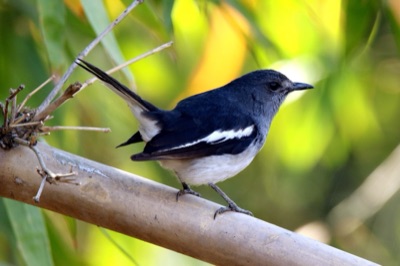
Photo: Nrik kiran / Wikimedia Commons (CC BY-SA 4.0)
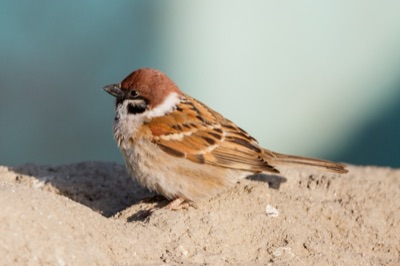
Photo: Nrik kiran / Wikimedia Commons (CC BY-SA 4.0)
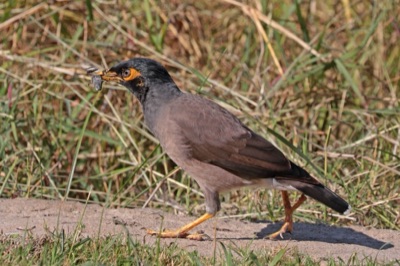
Photo: Charles J. Sharp / Wikimedia Commons (CC BY-SA 4.0)
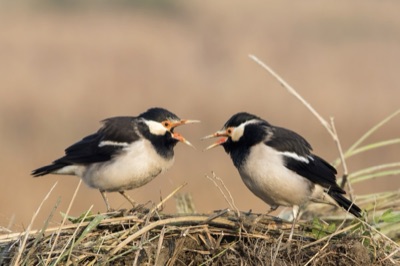
Photo: Charles J. Sharp / Wikimedia Commons (CC BY-SA 4.0)
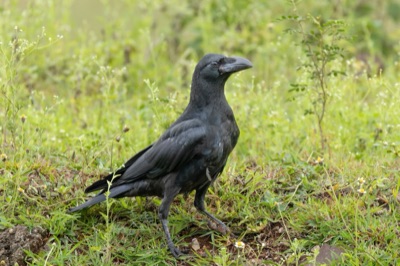
Photo: Tisha Mukherjee / Wikimedia Commons (CC BY-SA 4.0)
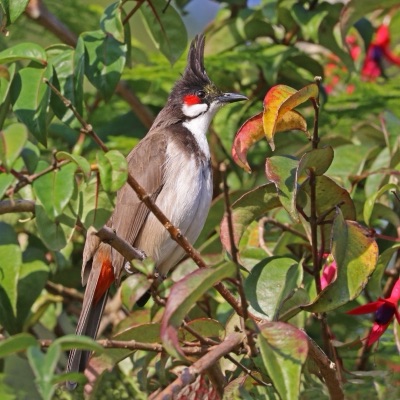
Photo: Charles J. Sharp / Wikimedia Commons (CC BY-SA 4.0)
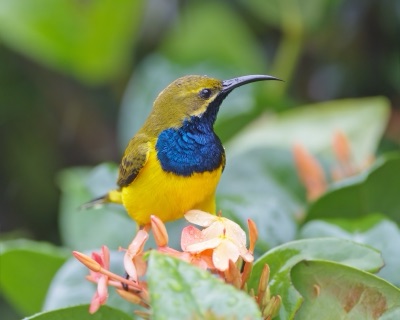
Photo: JJ Harrison / Wikimedia Commons (CC BY-SA 3.0)
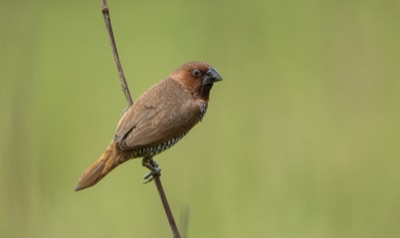
Photo: Mojahid Mottakin / Wikimedia Commons (CC BY-SA 4.0)
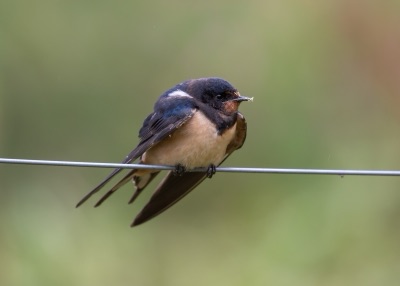
Photo: Yerpo / Wikimedia Commons (CC BY-SA 4.0)
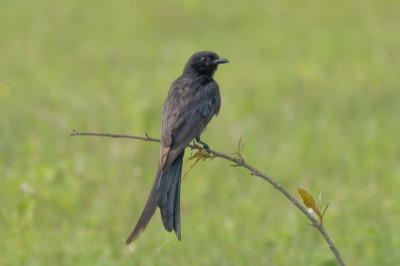
Photo: Tisha Mukherjee / Wikimedia Commons (CC BY-SA 4.0)
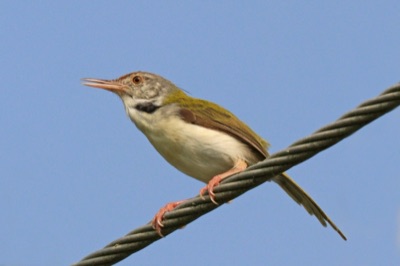
Photo: Charles J. Sharp / Wikimedia Commons (CC BY-SA 4.0)
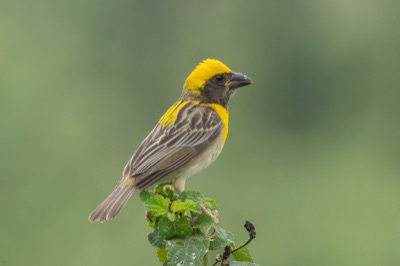
Photo: Tisha Mukherjee / Wikimedia Commons (CC BY-SA 4.0)
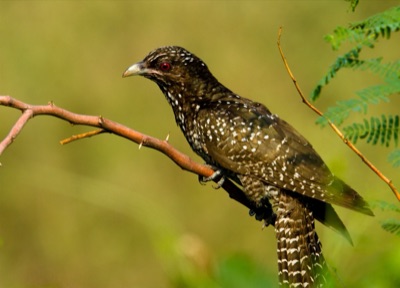
Photo: N A Nazeer / Wikimedia Commons (CC BY-SA 2.5 IN)
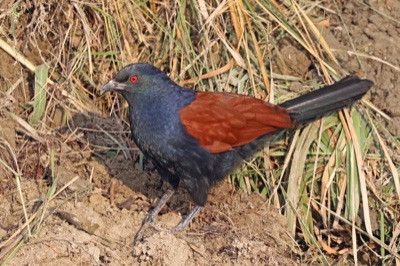
Photo: Charles J. Sharp / Wikimedia Commons (CC BY-SA 4.0)
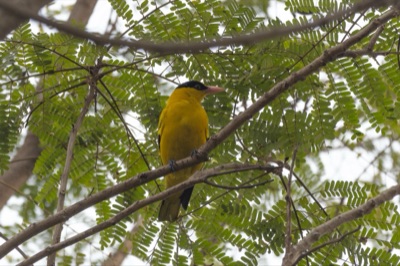
Photo: Tisha Mukherjee / Wikimedia Commons (CC BY-SA 4.0)
Birds of the rice fields and wetlands
These birds feed in paddies, ponds and streams. Many of their names come from their calls: nok kwak calls "kwak kwak", and nok khwak calls "khwaek khwaek" as it flies out to feed at night.
| Kham Mueang | Lanna script | In English | Description (from the dictionary) |
|---|---|---|---|
| nok yang | น฿กฯยางฯ | egret | long neck and legs, white all over, gathers in flocks at ponds |
| nok khwak | น฿กฯฯขวฯากฯ | night heron | heron family, black head and back, fishes at night, calls "khwaek khwaek" |
| nok tae | น฿กฯแต้ | red-wattled lapwing | thin long yellow legs, black head and neck (also nok tae tawaet, น฿กฯแต้ตแหัวฯด) |
| nok katen | น฿กฯระฯกเตันฯ | kingfisher | long pointed bill, bright colours, dives to catch prey, digs a nest hole in the riverbank |
| nok kwak | น฿กฯกัวฯก | waterhen | short body, long legs and toes, feeds in ponds (also nok wak, น฿กฯหัวฯก) |
| nok dao din | น฿กฯเดั้าดิ | white wagtail | black back, white belly, a black band on the breast; walks pecking at insects, always bobbing its tail |
| nok kho ngu | น฿กฯฅํอฯงู | stork | large, long bill, neck and legs; flies with neck and legs stretched out |
| nok khian | น฿กฯขยฯร | sarus crane | about 1.5 m tall, bright red head and neck, feeds in rice fields |
| nok pet hi | น฿กฯเปัดฯฮี้ | little grebe | a small waterbird |
| nok pet hong | น฿กฯเปัดฯห฿ง์ษฯฯ | swan | a large waterbird |
| nok tung tung | น฿กฯตุ่งทุง | pelican | large waterbird with a big pouch under the bill (also nok khon lai, น฿กฯขํอฯรไหลฯ) |
| nok ok | น฿กฯออฯก | — | about the size of an egret, shaped like a chicken, feeds along streams |
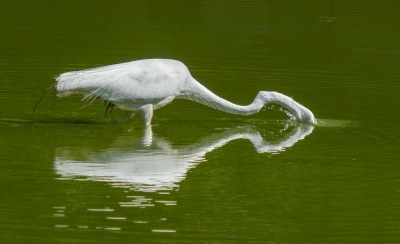
Photo: Rhododendrites / Wikimedia Commons (CC BY-SA 4.0)
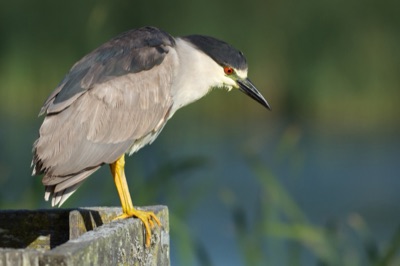
Photo: Frank Schulenburg / Wikimedia Commons (CC BY-SA 3.0)
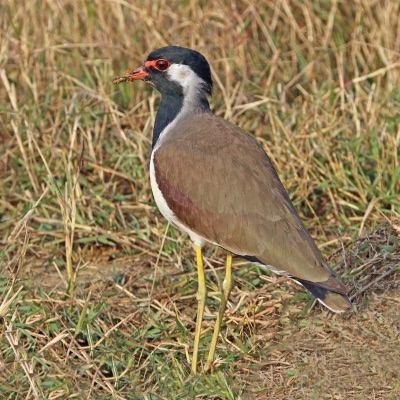
Photo: Charles J. Sharp / Wikimedia Commons (CC BY-SA 4.0)
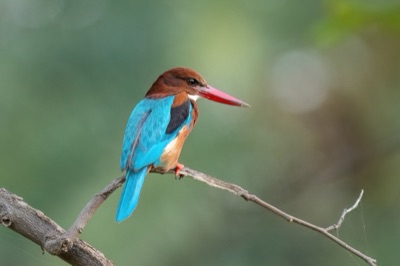
Photo: Giles Laurent / Wikimedia Commons (CC BY-SA 4.0)
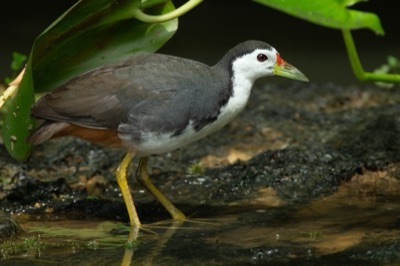
Photo: JJ Harrison / Wikimedia Commons (CC BY-SA 4.0)
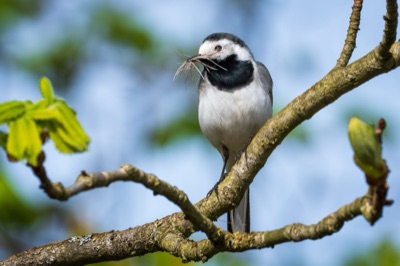
Photo: NorbertNagel / Wikimedia Commons (CC BY-SA 4.0)
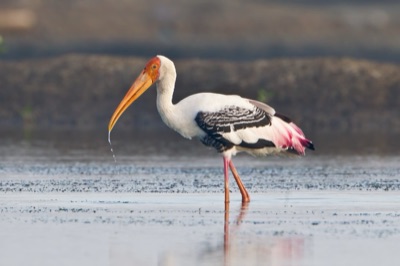
Photo: JJ Harrison / Wikimedia Commons (CC BY 3.0)
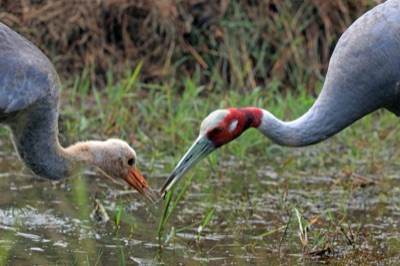
Photo: Charles J. Sharp / Wikimedia Commons (CC BY-SA 4.0)
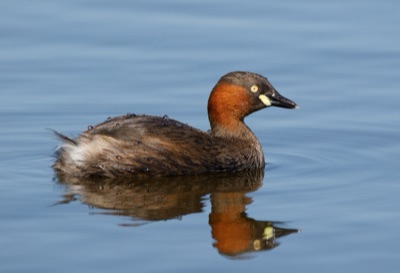
Photo: Laitche / Wikimedia Commons (CC BY-SA 4.0)
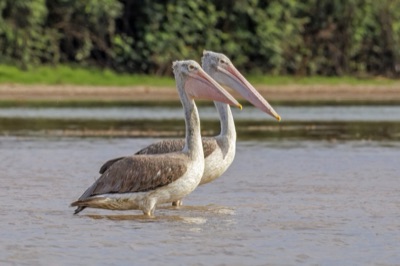
Photo: Charles J. Sharp / Wikimedia Commons (CC BY-SA 4.0)
Forest birds and birds of prey
Many forest birds have Kham Mueang names very different from central Thai: the hornbill is nok kok, the woodpecker is nok ba hae, and the parrot is nok lae.
| Kham Mueang | Lanna script | In English | Description (from the dictionary) |
|---|---|---|---|
| nok kok | น฿กฯก฿กฯ | hornbill | big bird with a huge bill and broad wings that roar in flight; the female seals herself in a tree hole to nest |
| nok ku ton | น฿กฯกู่ต้฿นฯ | barbet | plump and green, digs nest holes in trees (also nok chu ton, น฿กฯชุต้฿นฯ) |
| nok kaba | น฿กฯกบ้าฯ | coppersmith barbet | the smallest barbet, yellow throat and red breast (also nok ka ba, น฿กฯกาบ้าฯ) |
| nok pok | น฿กฯป฿กฯ | coppersmith barbet | a small kind of barbet |
| nok ba hae | น฿กฯบ่าฯแห้ | woodpecker | climbs trees upright, drills for insects, nests in tree holes |
| nok lae | น฿กฯแล | parrot | hooked bill, lives in flocks, eats seeds and fruit |
| nok lae mo | น฿กฯแลหํมฯอฯ | red-breasted parakeet | green parakeet with a black "beard"; can mimic sounds |
| nok lae lwa | น฿กฯแลหลฯวฯา | grey-headed parakeet | a small parakeet with a grey head and green body |
| nok iang kham | น฿กฯอ้ยฯงฅำ | hill myna | glossy black, orange-red bill, can mimic human voices; a protected species |
| nok yung | น฿กฯยูง | peafowl | the male fans his tail to court the female |
| nok kho | น฿กฯขํอฯ | hill partridge | pheasant family, feeds in small flocks on the ground |
| nok pata | น฿กฯปทาฯ | partridge, francolin | round and plump with spots, feeds on the ground (also nok kata, น฿กฯระฯกทาฯ) |
| nok katua | น฿กฯกถ฿วฯ | cockatoo | hooked bill like a parrot but larger |
| nok laeo | น฿กฯแหลฯวฯ | hawk, kite | hooked bill, sharp talons, fast flight, excellent eyesight |
| nok laeo kai noi | น฿กฯแหลฯวฯไก่ห้นฯอฯยฯ | — | a hawk that likes to swoop on chicks |
| nok haeng | น฿กฯแร้งฯ | vulture | big bird with a bare head and neck, eats carrion |
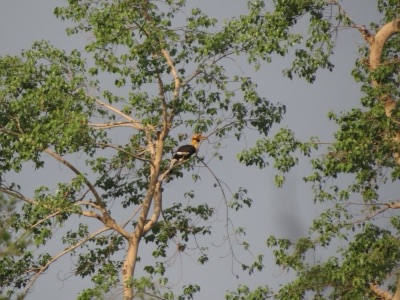
Photo: Raman Kumar / Wikimedia Commons (CC BY-SA 4.0)
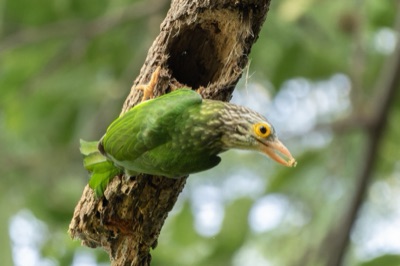
Photo: Tisha Mukherjee / Wikimedia Commons (CC BY-SA 4.0)
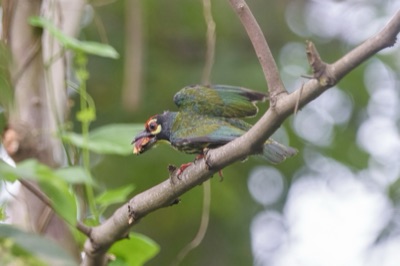
Photo: Micluna / Wikimedia Commons (CC BY-SA 4.0)
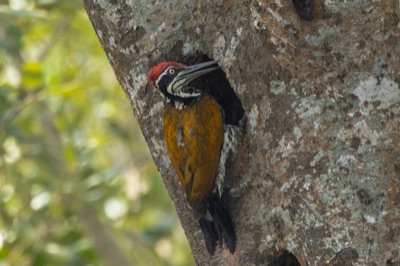
Photo: Tisha Mukherjee / Wikimedia Commons (CC BY-SA 4.0)
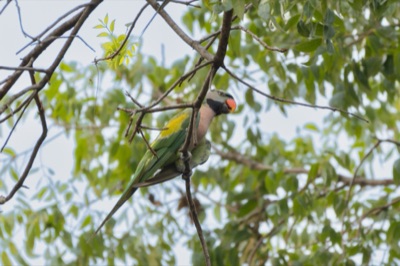
Photo: Tisha Mukherjee / Wikimedia Commons (CC BY-SA 4.0)
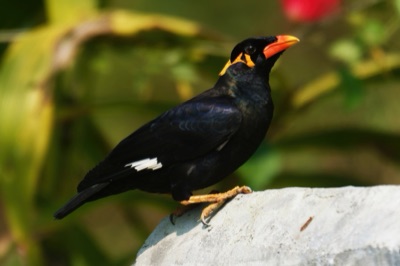
Photo: Shiv's fotografia / Wikimedia Commons (CC BY 4.0)
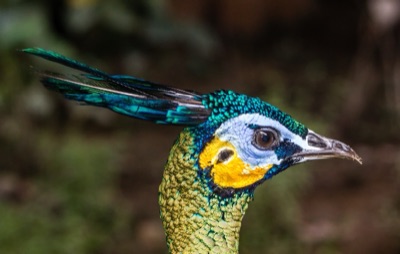
Photo: Crisco 1492 / Wikimedia Commons (CC BY-SA 4.0)
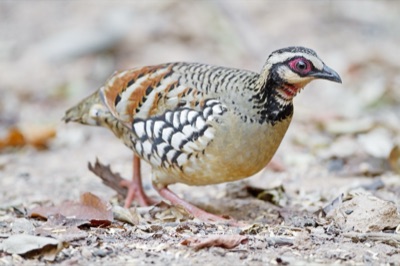
Photo: JJ Harrison / Wikimedia Commons (CC BY-SA 3.0)
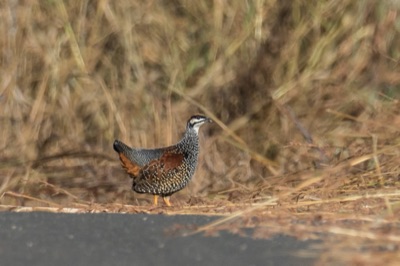
Photo: Wich’yanan L / Wikimedia Commons (CC BY 4.0)
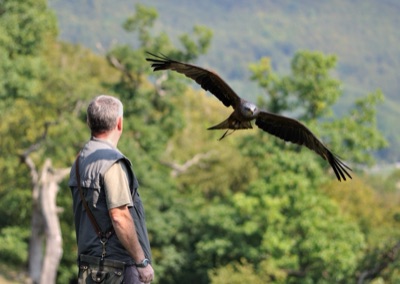
Photo: Quartl / Wikimedia Commons (CC BY-SA 3.0)
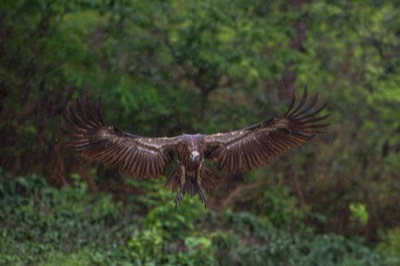
Photo: Mildeep / Wikimedia Commons (CC BY-SA 4.0)
Night birds and beliefs
Most night birds in Kham Mueang begin with nok kao, the owls. The dictionary also records some old beliefs about a few of them.
| Kham Mueang | Lanna script | In English | Description (from the dictionary) |
|---|---|---|---|
| nok kao | น฿กฯเคั้าฯ | owl | big head, round eyes, hooked bill, hunts at night |
| nok kao maeo | น฿กฯเคั้าฯแมวฯ | owlet, "cat owl" | cat-like face; catches rats, snakes, bats and other small animals |
| nok kao moei | น฿กฯเคั้าฯเหิมฯอฯยฯ | — | a kind of owl that hunts late at night |
| nok saek | น฿กฯแสกฯ | barn owl | big eyes, mottled body, big head; rests in trees by day |
| nok kao phi ka | น฿กฯเคั้าฯผีกะ | barn owl | the owl of the phi ka belief (also nok phi phai, น฿กฯผีระฯพายฯ) |
| nok pu tit | น฿กฯปู่ทิดฯ | fish owl | a bird of prey in the owl family, about 55 cm long |
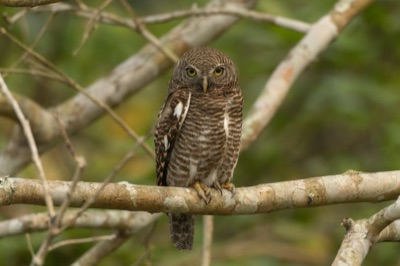
Photo: Tisha Mukherjee / Wikimedia Commons (CC BY-SA 4.0)
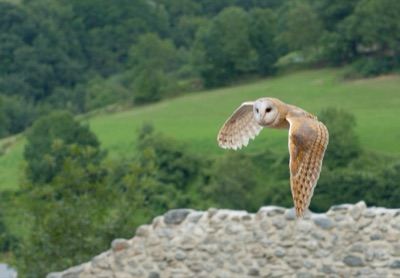
Photo: Luc Viatour / Wikimedia Commons (CC BY-SA 3.0)
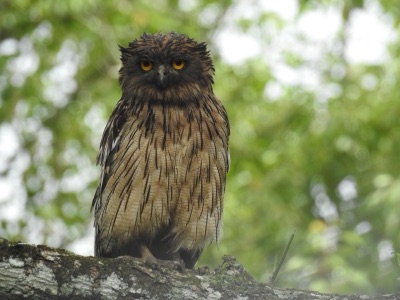
Photo: Aparajita Datta / Wikimedia Commons (CC BY-SA 4.0)
The dictionary records that older people felt uneasy when they heard a nok saek call, seeing it as a sign of death, and that nok kao phi ka was believed to carry news of a phi pop or phi ka spirit: it would perch on the roof or a tree near the house the spirit was about to possess and call loudly. These beliefs are told here as the dictionary records them. On the natural side, the dictionary notes that the owlet is a bird of prey that catches rats and small animals for food.
Birds of legend and Lanna funerals
Kham Mueang also has names for birds of legend, and one of them can still be seen at ceremonies.
- Nok ka ra wik (น฿กฯการวีกฯ, Kham Mueang reading nok ka ra wik): the karawek, a bird of legend that lives in the Himavanta forest and flies above the clouds; its song is so sweet that every animal stops to listen.
- Nok hong (น฿กฯห฿ง์สฯฯ, read nok hong): the hamsa, a bird of legend of high lineage, the mount of the god Brahma.
- Nok hatsadiling (น฿กฯหัสีดฯลิง์คฯ, read nok hatsadiling): a huge bird of legend with the head of an elephant, trunk and tusks, and the body of a bird. The dictionary says Lanna people have used it on the funeral pyre structures of people of high rank and of senior monks from ancient times to today.
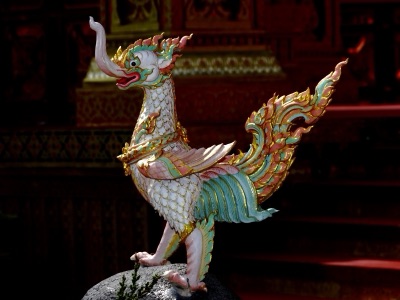
Photo: Fibo4me / Wikimedia Commons (CC BY-SA 3.0)
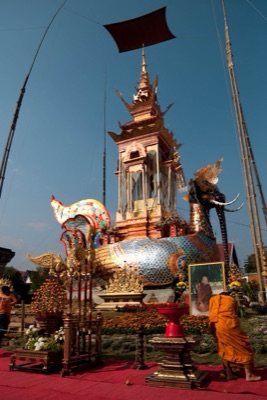
Photo: Takeaway / Wikimedia Commons (CC BY-SA 3.0)
Summary
- Many Kham Mueang bird names are close to central Thai, such as nok chok (sparrow), nok chip (tailorbird) and nok yang (egret).
- Some are very different: nok lae (parrot), nok laeo (hawk), nok kok (hornbill), nok ba hae (woodpecker), nok ka kae (pigeon) and nok po hoei (koel).
- Many come from the bird's call: nok kwak, nok khwak, nok kon put, nok tae tawaet.
- Nok chok fa is the weaver, not a sparrow.
- Nok hatsadiling, the elephant-headed bird of legend, still appears on funeral pyres in Lanna funerals.
Look up more bird names in the Moradok Lanna dictionary (in Thai), and read about another small creature in Kham Mueang in Kwang: Lanna Names for Rhinoceros Beetles.
More in the dictionary vocabulary series: Fish Names in Kham Mueang · Insects in Kham Mueang, or see the whole series at Dictionary vocabulary (in Thai).
Sources
- Moradok Lanna dictionary (in Thai): นก · นกแล · นกจี๋แจ๊บ · นกแหลว · นกหั๋สดีลิงค์
- Bird photos: Wikimedia Commons, as credited under each photo.


