
Photo: Takeaway / Wikimedia Commons (CC BY-SA 3.0)
Kham Mueang Greens: Phak Kat, Phak Pom, Phak Pang and More
Phak (ผักฯ, Kham Mueang reading phak) means vegetable. The dictionary defines it as "a plant that can be used as food", and it is also the word put in front of the names of plants eaten as vegetables. The Khon Mueang say it with a rising tone, like kin and kaeng in Kin Lam Kin Lam. This article gathers the Kham Mueang names of the garden greens people grow at home and sell at the kat (market).
It covers every group of home and market greens: many kinds of phak kat, fragrant herbs, leafy greens, vines and greens from shrubs. Every word comes with its Lanna script and its meaning from the Moradok Lanna dictionary, plus a photo of the real plant. For greens gathered in the forest and along streams, read on at Lanna wild greens.
Phak kat: every kind of mustard green and cabbage
Phak kat (ผักฯกาดฯ, Kham Mueang reading phak kat) covers many soft-stemmed plants of several genera. The Khon Mueang name each kind separately, and some names sound nothing like central Thai.
| Kham Mueang | Lanna script | What it is (from the dictionary) |
|---|---|---|
| phak kat khom · phak kat pan | ผักฯกาดฯข฿มฯ · ผักฯกาดฯปั่นฯ | heading mustard (phak sophon): broad leaves, thick juicy stalks; often pickled |
| phak kat khao | ผักฯกาดฯขาวฯ | Chinese cabbage that forms a loose head or none: long thick creamy-white stalks, sweet and crisp |
| phak kat khao pi | ผักฯกาดฯขาวฯปีลฯ | napa cabbage with a tight head: broad flat white stalks, crisp and juicy |
| phak kat chon | ผักฯกาดฯจ้อฯร | a thin-stalked mustard green like Chinese flowering cabbage, flowering yellow a few at a time |
| phak kat yi | ผักฯกาดฯยี | lettuce, salad leaves |
| phak kat pong | ผักฯกาดฯโป้฿งฯ | radish, daikon |
| phak ka na | ผักฯคาฯนาฯ | Chinese kale (khana): thick stem, sweet and crisp, usually stir-fried |
| phak kat na · phak bang | ผักฯกาดฯนาฯ · ผักฯบั้งฯ | a plant with leaves like mustard but jagged edges, growing in rice fields after harvest; fragrant, eaten with lap or chilli dip |
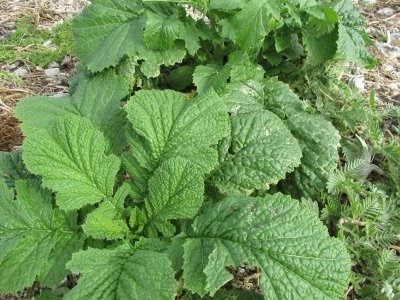
Photo: Forest and Kim Starr / Wikimedia Commons (CC BY 3.0 us)
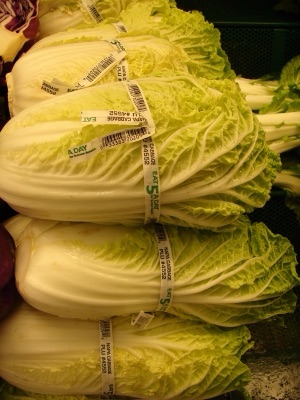
Photo: Forest and Kim Starr / Wikimedia Commons (CC BY 3.0 us)
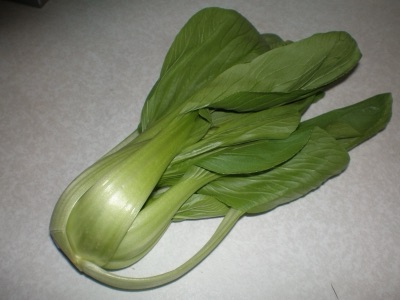
Photo: おむこさん志望 / Wikimedia Commons (CC BY 2.5)
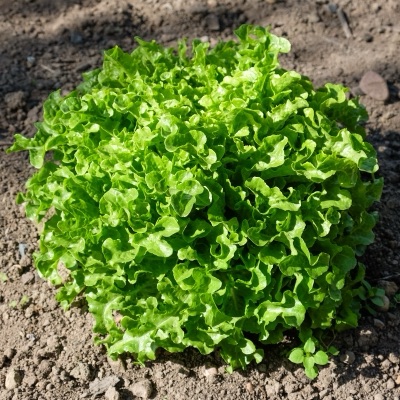
Photo: DeFacto / Wikimedia Commons (CC BY-SA 4.0)
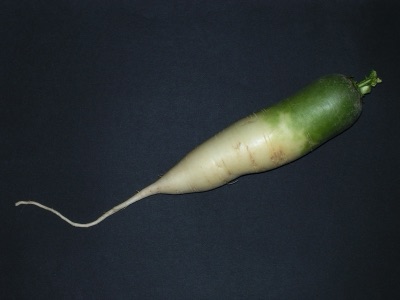
Photo: Bff / Wikimedia Commons (CC BY-SA 4.0)
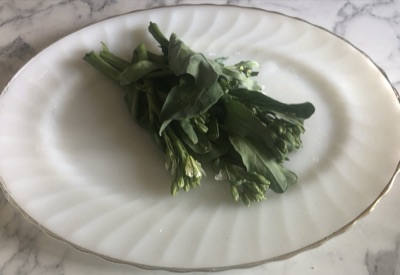
Photo: Nthaci / Wikimedia Commons (CC BY-SA 4.0)
Fragrant greens: phak pom, phak chi, phak kam puen
These are the greens used to garnish dishes and take away the smell of raw meat in the Northern kitchen, and their names often confuse visitors.
| Kham Mueang | Lanna script | What it is (from the dictionary) |
|---|---|---|
| phak pom | ผักฯป้อฯม | coriander (also hom pom), added to lap, koi and fresh naem |
| phak chi | ผักฯชี | cumin, white cumin; the seeds are used as a spice |
| phak chi fa lang | ผักฯชีระฯฝั่งฯ | culantro: long oval leaves with saw-toothed edges |
| phak chi lao | ผักฯชีลาวฯ | dill: feathery leaves, fragrant, good at taking away the smell of meat |
| phak kam puen · phak ka puen | ผักฯกาพืนฯ · ผักฯกพืนฯ | Chinese celery: fragrant, used to remove fishy smells and scent soups |
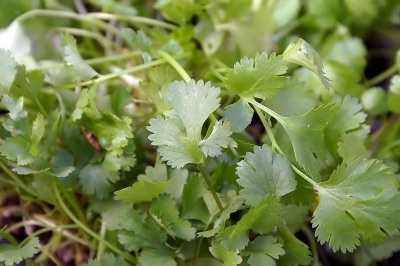
Photo: Photo by David J. Stang / Wikimedia Commons (CC BY-SA 4.0)
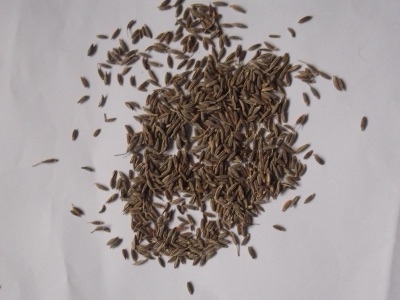
Photo: Yercaud-elango / Wikimedia Commons (CC BY-SA 4.0)
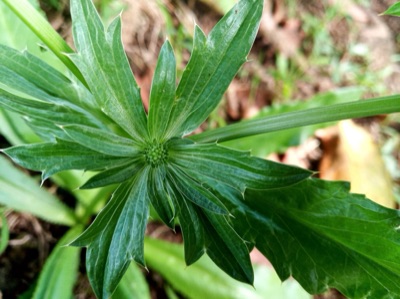
Photo: Filo gèn' / Wikimedia Commons (CC BY-SA 4.0)
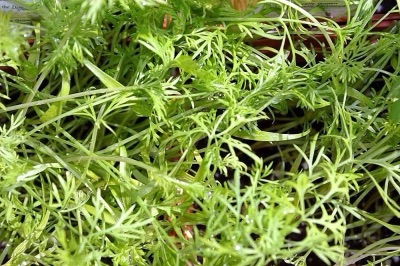
Photo: Photo by David J. Stang / Wikimedia Commons (CC BY-SA 4.0)
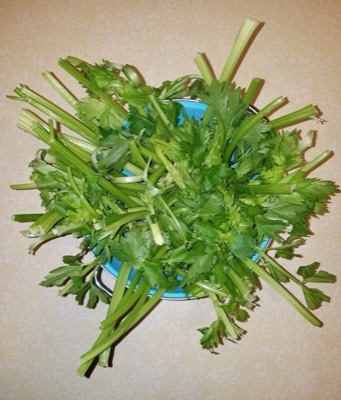
Photo: Daderot / Wikimedia Commons (CC0)
Leafy greens and vines: phak bung, phak pang, phak khaep, phak hom
| Kham Mueang | Lanna script | What it is (from the dictionary) |
|---|---|---|
| phak bung | ผักฯบุ้ง | water spinach: a vine creeping over water and wet ground; the shoots are eaten |
| phak bung chin · phak bung na | ผักฯบุ้งจีนฯ · ผักฯบุ้งนาฯ | Chinese water spinach, with thicker light-green stems · paddy-field water spinach (red water spinach), with purplish-red stems |
| phak pang | ผักฯปังฯ | Malabar spinach: a vine with thick slimy leaves; shoots, young leaves and young flowers are eaten |
| phak pang khao · phak pang daeng | ผักฯปังฯขาวฯ · ผักฯปังฯแดงฯ | green-stemmed Malabar spinach · red-stemmed Malabar spinach |
| phak pang puk · phak pang phai | ผักฯปังฯพุก · ผักฯปังฯระฯพ่ายฯ | Malabar spinach with large flower clusters (puk) · Malabar spinach without large clusters (also phak pang phui) |
| phak khaep | ผักฯแฅปฯ | ivy gourd: a woody vine with five-angled leaves, easy to find |
| phak khae | ผักฯแฅ | wild betel (cha phlu): leaves like betel leaves, sweet and cooling, fragrant, takes away fishy smells |
| phak hom (two spellings) | ผักฯห฿มฯ · ผักฯโห฿มฯ | amaranth: young leaves, young plants and shoots are cooked |
| phak hom khao · phak hom daeng | ผักฯโห฿มฯขาวฯ · ผักฯโหมฯแดงฯ | Chinese amaranth · garden amaranth, its tips in many colours by variety |
| phak hom nam | ผักฯโหมฯหนฯามฯ | spiny amaranth, with sharp spines at the joints; peel off the skin and spines before eating |
Malabar spinach is also the name of a dish: phak pang cho (ผักฯปังฯชํอฯ) is a Malabar spinach soup with tomatoes and fermented pork, soured with lime, cooked in the same cho way as mustard greens.
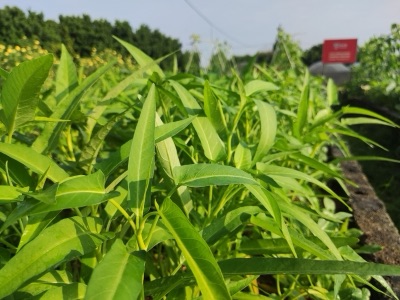
Photo: Wee Hong / Wikimedia Commons (CC BY-SA 4.0)
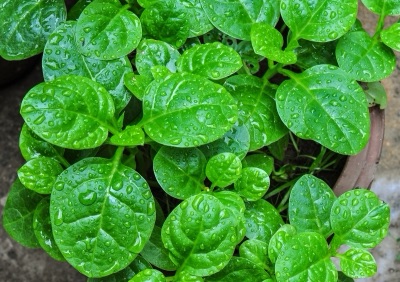
Photo: Joydeep / Wikimedia Commons (CC BY-SA 3.0)
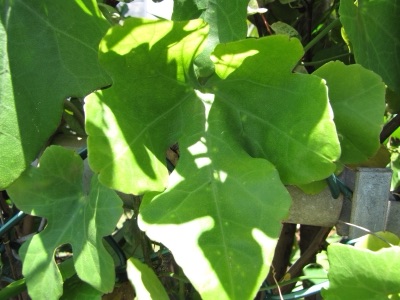
Photo: Forest and Kim Starr / Wikimedia Commons (CC BY 3.0 us)
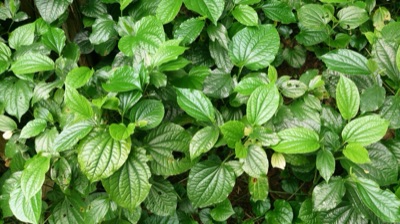
Photo: Mokkie / Wikimedia Commons (CC BY-SA 3.0)
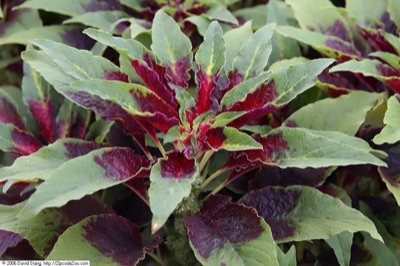
Photo: Photo by David J. Stang / Wikimedia Commons (CC BY-SA 4.0)
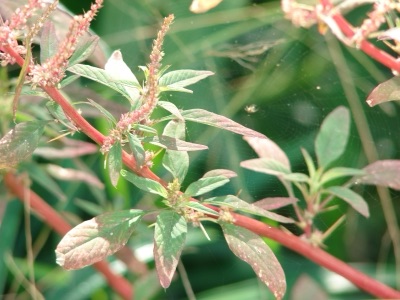
Photo: Forest & Kim Starr / Wikimedia Commons (CC BY 3.0)
Greens from shrubs and pods
| Kham Mueang | Lanna script | What it is (from the dictionary) |
|---|---|---|
| phak ka thin · phak kan thin | ผักฯกถินฯ · ผักฯกันฯถินฯ | white leadtree (krathin): young shoots and young pods are eaten as a vegetable and side dish |
| phak khi hut · phak poek | ผักฯขี้หูด · ผักฯเพิกฯ | rat-tailed radish: a legume-like plant with long thin jointed pods; likes cold weather; a little hot when raw, sweet when cooked |
| phak phet | ผักฯเผัดฯ | toothache plant (paracress): yellow flower heads shaped like a ring stone |
| phak wan ban | ผักฯหวฯานฯบ้าฯนฯ | sweet leaf (phak wan ban): a shrub with leaves like star gooseberry; young leaves used in kaeng liang and clear soups |
| phak i huem · phak i hum | ผักฯอี่ฮึม · ผักฯอี่ฮุม | young shoots and leaves of the moringa tree, usually cooked in sour curry |
The Khon Mueang call moringa pods ba khon kom, but the young shoots have their own name, phak i huem: one tree, two names for the parts you eat. Read about vegetables named with ba in Kham Mueang vegetable names.
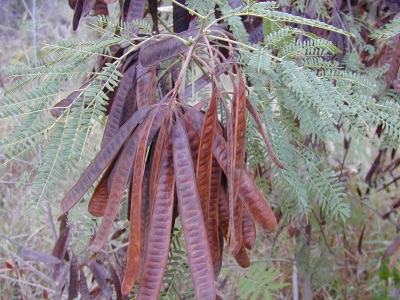
Photo: Forest & Kim Starr / Wikimedia Commons (CC BY 3.0)
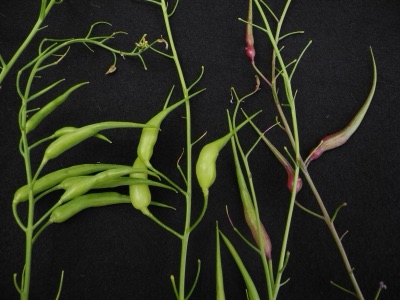
Photo: MerielGJones / Wikimedia Commons (CC BY-SA 4.0)
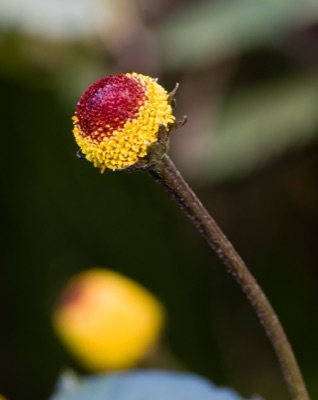
Photo: Tuxyso / Wikimedia Commons (CC BY-SA 3.0)
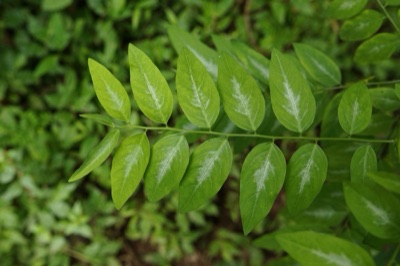
Photo: Vengolis / Wikimedia Commons (CC BY-SA 4.0)
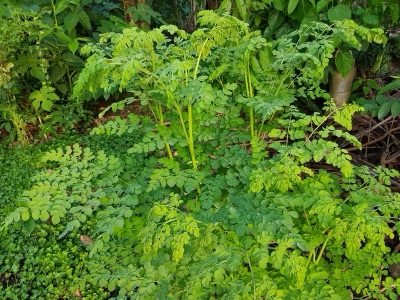
Photo: Obsidian Soul / Wikimedia Commons (CC0)
Eating greens the Khon Mueang way
The Khon Mueang eat greens with almost every meal, and have words for the ways of eating them.
- phak kap nam phik (ผักฯกัปฯนาฯระฯพิกฯ, Kham Mueang reading phak kap nam phik): greens eaten with chilli dip. They come both from the forest and from the kitchen garden; some are eaten raw, others grilled or blanched first, and each chilli dip suits particular greens, e.g. nam phik nam pu with boiled bamboo shoots.
- phak yam (ผักฯยำ): greens that are blanched, steamed, boiled or pickled, then tossed with seasonings.
- phak sa (ผักฯส้า): several fresh greens tossed with chilli paste, often with fish; with a single green it is named after that green, e.g. sa phak kat.
- phak kaeng khae (ผักฯแกงฯแฅ): the mix of greens for kaeng khae, such as ivy gourd, toothache plant, dried kapok flowers, long beans and winged beans.
Summary
- Phak means vegetable and is put before the names of plants eaten as vegetables; Kham Mueang says it with a rising tone.
- Mustard greens and cabbages have separate names, e.g. phak kat yi (lettuce), phak kat pong (daikon), phak ka na (Chinese kale).
- Phak chi is cumin; coriander is phak pom.
- Phak khaep is ivy gourd, while phak khae is wild betel.
- The Khon Mueang have words for how greens are eaten: phak kap nam phik, phak kap lap, phak yam and phak sa.
Look up more greens in the Moradok Lanna dictionary (in Thai). More in the same series: Lanna wild greens · Lanna mushrooms · Kham Mueang vegetable names · Kham Mueang fruit names, or hear a song about greens in Phak Kat Cho.
Sources
- Moradok Lanna dictionary (in Thai): ผั๋ก · ผั๋กกาด · ผั๋กจี · ผั๋กป้อม · ผั๋กกั๋บลาบ


