
Photo: CEphoto, Uwe Aranas / Wikimedia Commons (CC BY-SA 4.0)
Khi Words: Kham Mueang Personality Words
Many Kham Mueang personality words begin with khi (ขี้, Kham Mueang reading khi). Central Thai has a few of these too, like khi kiat (lazy) or khi ai (shy), but Kham Mueang has many of its own that visitors from other regions cannot guess: khi ju means "to lie", and khi aeo means "always off on a trip".
This lesson gathers more than 60 khi words for habits and character, picked from all 161 dictionary entries that start with khi in the Moradok Lanna dictionary. They are sorted by theme, and the lesson ends with khi words that are not about character at all, some of which are good things you can eat.
Khi does not always mean dung
The dictionary explains that khi has several meanings. Besides excrement and other things the body gives off, it works as a prefix in two directions:
- before good or edible things, such as khi khrang, khi ya, khi kung and khi pa fak (more at the end of this lesson);
- before bad things, or habits a person tends to have, such as khi khoi, khi khan, khi jom, khi ji, khi ju and khi lop.
So the formula is simple: khi + verb or quality = someone who tends to be that way. To say "tends to" on its own, Kham Mueang even has the word khi jang (ขี้ช่างฯ), which the dictionary glosses as "usually, tends to".
Khi ju, khi wok, khi mo: habits of speech
| Kham Mueang | Lanna script | Meaning (from the dictionary) |
|---|---|---|
| khi ju | ขี้จุ | to lie, say what is false, make up stories |
| khi ju khi lai · khi lai | ขี้จุขี้ล่ายฯ · ขี้ล่ายฯ | same as khi ju |
| u phi | อุผิ | to lie, make up stories (used like khi ju) |
| khi wok | ขี้วอฯก | a skilled liar |
| khi mo · khi lom | ขี้โม้ · ขี้ล฿มฯ | to tell lies, say things with no truth in them |
| khi foi | ขี้ฝอฯยฯ | to talk beyond the truth, spin long tall tales, e.g. claiming to have been an angel in a past life |
| khi uat | ขี้อวฯด | to love showing off and boasting, e.g. bragging that one's father is rich |
| khi yok hang | ขี้ย฿กฯหางฯ | to love praising oneself (see yok hang) |
| khi u | ขี้อู้ | to love chatting, talk a lot |
| khi jom · khi saem | ขี้จ่฿มฯ · ขี้แซ่มฯ | to grumble, nag on and on |
| khi saem (different tone) | ขี้แซมฯ | to butt in, interrupt |
| khi sui | ขี้สุ่ | someone easily egged on into doing something, e.g. children goaded into a fight |
These words often pair with the Kham Mueang "don't", ja pai: for example ja pai khi ju (จะไพขี้จุ), "don't lie". Read more in Ja pai means "don't".
Khi ji, khi lop, khi ka: money and food
| Kham Mueang | Lanna script | Meaning (from the dictionary) |
|---|---|---|
| khi ji · khi thi | ขี้ชิ · ขี้ถี่ | stingy, tight-fisted (also khi ji khi jam) |
| khi lop | ขี้โล฿ปฯ | greedy, a cheat, wanting what belongs to others |
| khi ka | ขี้กลฯะ | gluttonous, thinking only of food (also ka kin, กลฯะกินฯ) |
| khi uai | ขี้อ่วฯยฯ | spending wastefully, e.g. chai uai, to spend money without saving |
| khi ni | ขี้หี้นฯ | someone deep in debt |
| khi lak | ขี้ลักฯ | to steal, take others' things without the owner knowing |
| khi jok | ขี้จ฿กฯ | a thief, a pickpocket |
| khi lu | ขี้ลู่ | to snatch, grab away, e.g. snatching a toy |
| khi tu | ขี้ตู่ | to claim others' things as one's own, wrongly accuse (also the name of a sweet-potato weevil) |
The dictionary also records the warning ja pai khi ji (จไพขี้ชิ), "don't be stingy".
Khi kiat, khi ming, khi duean: hot tempers and small hearts
| Kham Mueang | Lanna script | Meaning (from the dictionary) |
|---|---|---|
| khi kiat | ขี้คยฯด | quick to anger |
| khi khot · khi khot khi kiat | ขี้โข฿ดฯ · ขี้โข฿ดฯขี้คยฯด | quick to anger |
| khi ming | ขี้หิ้มฯง | irritable, easily cross |
| khi duean | ขี้เดิอฯด | fierce, always scolding |
| khi suak | ขี้สวฯก | aggressive, savage |
| khi khoi | ขี้ขอฯยฯ | jealous, unhappy to see others do well (from khoi, ขอฯยฯ, "to envy") |
| khi en | ขี้เอนฯ | arrogant, stuck-up, haughty |
Khi khae, khi yan, khi hai: faint hearts
| Kham Mueang | Lanna script | Meaning (from the dictionary) |
|---|---|---|
| khi khae · khi lae | ขี้แขะ · ขี้แหลฯะ | cowardly, faint-hearted, without fight |
| khi yan | ขี้ห้ยฯานฯ | apprehensive, timid (yan, อยฯานฯ, means afraid, cowardly) |
| khi ae | ขี้แอ่ | shirking anything hard, lacking courage, often crying |
| khi hai | ขี้ไห้ | whiny, crying often |
| khi joi | ขี้จอฯยฯ | glum, never cheerful |
| khi hot tot hai | ขี้ห฿ดฯต฿ดฯหายฯ | scared out of one's wits |
Khi khan, khi aeo, khi yong: everyday habits
This group has habits to frown at, neutral ones and lovable ones.
| Kham Mueang | Lanna script | Meaning (from the dictionary) |
|---|---|---|
| khi khan | ขี้ระฯค้าฯนฯ | lazy |
| khi aeo | ขี้แอ่วฯ | loves going out and travelling, here and there, for fun |
| khi yong | ขี้อยฯอฯง | loves dressing up nicely, dapper |
| khi khai hua | ขี้ระฯไค่ห฿วฯ | laughs often, laughs at everything |
| khi len | ขี้เห้ลฯร | a joker; also a word for any kind of gambler |
| khi nok | ขี้นอฯก | old-fashioned, out of date |
| khi sun hak | ขี้สูรรากฯ | messy, untidy |
| khi khwa · khi sai | ขี้ขวฯา · ขี้ซ้ายฯ | right-handed · left-handed |
| khi maen jong | ขี้แม่นฯช่อฯง | getting it right, by chance, with luck on one's side (also khi maen hom) |

Khi for health, and khi for things
Some khi words say that someone is not very strong, and some describe things that break often or work badly.
| Kham Mueang | Lanna script | Meaning (from the dictionary) |
|---|---|---|
| khi khai khi mueai | ขี้ไข้ขี้เมิ่อฯยฯ | often ill |
| khi-yong | ขี้ห้ยฯอฯง | sickly, thin, not strong |
| khi doi · khi pia | ขี้ด้อฯยฯ · ขี้เป้ยฯ | thin and weak |
| khi lu (different word) | ขี้หุลฯ | breaking down often, e.g. rot khi lu, a car that keeps breaking down |
| khi luem · khi poe | ขี้หื้ลฯม · ขี้เปิ่อฯ | blunt, not sharp, e.g. a blunt knife |
| khi miang | ขี้ห้มฯยฯง | rust, e.g. a rusty knife; also worn out, worthless |
| khi ja · khi diat · khi liat | ขี้ชะ · ขี้ดยฯด · ขี้หลฯยฯด | repulsive, disgusting |
Khi that is not a trait: some are good things
As the dictionary says, khi also comes before useful or edible things. Look at these:
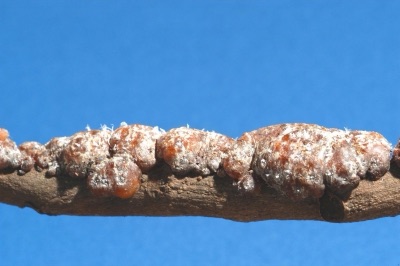
Photo: Jeffrey W. Lotz / Wikimedia Commons (CC BY 3.0)
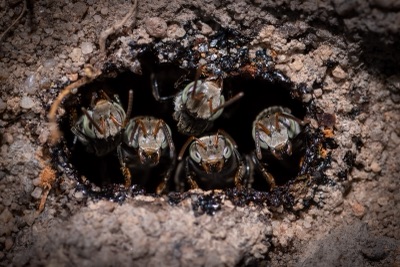
Photo: Fah Lertkulvanich / Wikimedia Commons (CC BY-SA 4.0)
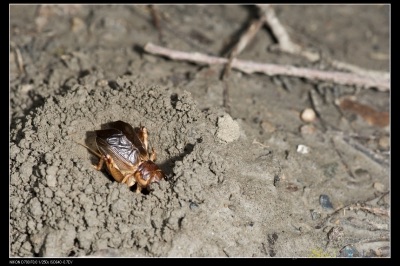
Photo: LiCheng Shih / Wikimedia Commons (CC BY 2.0)
| Kham Mueang | Lanna script | Meaning (from the dictionary) |
|---|---|---|
| khi khrang | ขี้ระฯคั่งฯ | lac, the resin the lac insect gives off, golden yellow or deep purple; pronounced khi khang in Kham Mueang |
| khi tang ni | ขี้ตังฯนี | stingless bees, social insects like honeybees, and their tube-shaped nest entrance |
| khi kung | ขี้กุ่ง | the big short-tailed cricket, a popular food |
| khi khuang | ขี้ขวฯง | a bitter field herb whose young shoots are eaten |
| khi yae ba pao | ขี้แหยฯ่บ่าฯพ้ลฯาวฯ | rich coconut crumbs left from boiling down coconut oil |
| khi ya | ขี้ย้า | resin, a resin torch |
| khi dok | ขี้ดอฯก | interest on a loan |
| khi pum | ขี้ปุม | belly, tummy |
| khi tao | ขี้เตั่า | wood shavings from a plane |
Try it: siblings teasing each other
This short dialogue is our own teaching example, using khi words from the dictionary with bo (บ, "not"), ko (กํอฯ, a question word) and ja pai (จะไพ, "don't").
Younger sibling: Pi, pai aeo doi ko? (Sis, want to go up the mountain?)
Older sister: Bo pai, pi khi khan. (No, I'm lazy.)
Younger sibling: Pi khi khan, nong khi aeo. (You're lazy, I love trips.)
Older sister: Ja pai u nak, khi jom tae. (Don't talk so much, you really are a nag.)
Younger sibling: Nong bo khi jom, nong khi khai hua. (I'm not a nag, I just laugh a lot.)
Quiz: which khi is it? (tap for answers)
-
The friend who suggests a trip every weekend is khi… → khi aeo
-
The one who is always last to pay is khi… → khi ji or khi thi
-
The one who says he caught a fish as big as a boat is khi… → khi foi or khi mo
-
A child who cries whenever she can't have a toy is khi… → khi hai
-
A car that keeps breaking down on the road is khi… → khi lu
-
The carpenter sweeps the khi… off the table → khi tao (wood shavings)
Summary
- khi before a word means "tends to be that way", for bad habits and also for good or edible things; khi jang means "tends to".
- Speech: khi ju · khi wok · khi mo (lying), khi foi (tall tales), khi u (chatty), khi jom (nagging), khi yok hang (self-praising).
- Money and temper: khi ji · khi thi (stingy), khi ka (greedy for food), khi kiat · khi ming (quick to anger), khi khoi (jealous), khi khae (cowardly), khi hai (crybaby).
- Everyday: khi khan (lazy), khi aeo (loves trips), khi yong (loves dressing up), khi khai hua (laughs a lot).
- Not traits: khi dok is interest, khi tao is wood shavings, and khi khrang, khi tang ni, khi kung are useful things.
Look up every khi word in the Moradok Lanna dictionary, learn the Kham Mueang "don't" in Ja pai means "don't", and everyday verbs in Everyday Kham Mueang verbs.


