
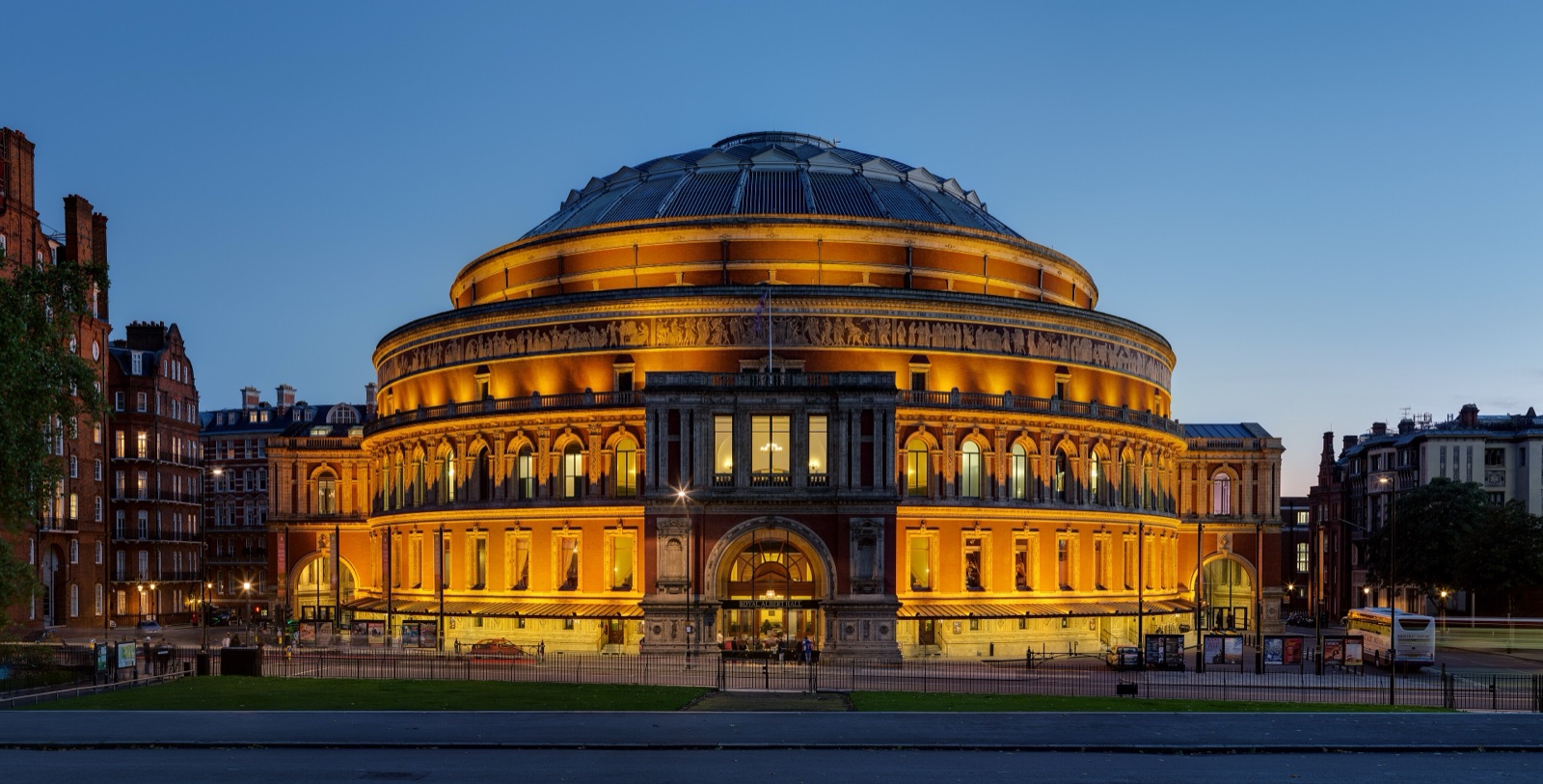
Photo: Faheem Ahmed / Unsplash
Que Sera, Sera in Kham Mueang: Telling the Song's Ideas
Que Sera, Sera as sung by Doris Day in 1956 is a song in which a child asks its mother what it will be when it grows up, and the mother answers that the days ahead will decide. It is an easygoing tune about a big matter: nobody knows tomorrow. In this article we ask a playful question: how would a Northerner (khon mueang) talk about the days ahead, and about letting things go as merit and karma take them?
The days ahead in Kham Mueang is pai na พายฯห้นฯา, which the dictionary glosses as later, ahead, in front, the next world. And "whatever will be" has a Kham Mueang saying of its own: tam bun tam kam ตาบุญตากัม์มฯ. That makes this a song that suits Kham Mueang very well.
The song is still under copyright, so we do not translate it line by line, and we quote only two short phrases. What we take from it is its ideas, and then we try saying those ideas in Kham Mueang. (For a song that looks back at yesterday instead of ahead, read Yesterday, and to see how this series of world songs began, see My Way.)
Where Que Sera, Sera comes from
The writers. Jay Livingston wrote the music and Ray Evans the words. The pair had already won the Academy Award for best song twice, which Wikipedia dates to 1948 and 1950, for "Buttons and Bows" and "Mona Lisa", so this was their third. Wikipedia says the song was first published in 1955. Doris Day sang it in Alfred Hitchcock's film The Man Who Knew Too Much, released in 1956.
The title. Livingston came across the phrase in the film The Barefoot Contessa (1954), where a fictional Italian family has it carved in stone (according to Wikipedia and Paul Zollo's piece in American Songwriter). The two writers later gave it a Spanish spelling, and Wikipedia notes that the sentence is not grammatical Spanish: it is a word-for-word rendering of the English "what will be will be". The title everyone knows is therefore a mixed-language phrase that people around the world recognise.
In the film. Doris Day's character, Jo, plays and sings the song at an embassy, hoping her son, who is being held in the building, will hear it. He whistles along, and his father finds him (according to Wikipedia). Another scene people remember from the film takes place at the Royal Albert Hall in London.
The recording and the awards. Doris Day's recording was released by Columbia as a single on 21 May 1956 (Wikipedia). It reached number 2 on the Billboard Top 100 in the United States and number 1 in the United Kingdom. Interestingly, American Songwriter reports that Day herself disliked the song: she called it a "child's song" and doubted that listeners would understand the title, and she agreed to only one studio take. Wikipedia does not tell this story, so please treat it as the account of a single source. The song later became her signature tune, and a re-recorded version was the theme of The Doris Day Show from 1968 to 1973.
The song won the Academy Award for best original song. The ceremony page gives it as the 29th Academy Awards, held on 27 March 1957, while Wikipedia calls it the award of 1956, so the year differs depending on whether you count the film's year or the year of the ceremony. Doris Day's 1956 recording was also inducted into the Grammy Hall of Fame in 2012.
Listen to the original from the artist's official channel, to compare with the ideas we go through next.

Pai na: the days ahead in Kham Mueang
The heart of the song is a question about the days ahead. Kham Mueang uses pai na พายฯห้นฯา, which the dictionary glosses as later, ahead, in front, the next world. For tomorrow in particular the dictionary has wan phuk วันฯระฯพูก, meaning tomorrow, the next day. (Other Kham Mueang time words, such as ta wa for yesterday, are in the article on Yesterday.)
For the question "what will it be", we use cha จะ (the dictionary says it comes from chak), then pen เปนฯ (to take on a condition, to act as) and yang หัยฯง (what, why). The dictionary has no single Kham Mueang word for "the future", so we use pai na instead.
Kham Mueang rendering by MoradokLanna: ปายหน้าจะเป๋นหยัง ("What will the days ahead be?")
La-on tham mae: a child asks its mother
The first idea of the song is a small child asking its mother what it will become. Kham Mueang calls a child la-on ลอ่อฯร (child) or la-on หลฯะอ่อฯร (a small child, a youngster). The mother is mae แม่ (the one who gave birth), and "to ask" is tham ถามฯ, which the dictionary glosses as speaking in order to get an answer.
Kham Mueang rendering by MoradokLanna: ละอ่อนถามแม่ ปายหน้าจะเป๋นหยัง ("The child asks its mother: what will the days ahead be?")
The song tells this in three stages of life, as Wikipedia sums it up: childhood, young adulthood with the first love, and having children of one's own. Each stage has one question about the days ahead, and a refrain that gives the same answer every time.
Sao tham phu hak tae: young love
The second stage of the song is a young woman asking her sweetheart what the days ahead will bring for the two of them. In the dictionary sao สาวฯ is an unmarried woman. Love has several levels: hak tae รักฯแท้ (true love, real love) and hak paeng รักฯแพงฯ (deep love, close love). Phu ผู้ is a person.
Kham Mueang rendering by MoradokLanna: สาวถามผู้ฮักแต๊ ปายหน้าจะเป๋นหยัง ("A young woman asks the one she truly loves: what will the days ahead be?")
Tam bun tam kam: the answer in every verse
The refrain that makes the song unforgettable is "Que sera, sera, whatever will be, will be" (Livingston–Evans, "Que Sera, Sera", 1956). The idea matches a Kham Mueang saying recorded in the dictionary: tam bun tam kam ตาบุญตากัม์มฯ, glossed as going as things may go, as merit and karma lead or carry us along, according to fate. The dictionary adds that tam na bun is another way to say it.
It has a sibling in the saying poi tam na bun ป่ลฯอฯยฯตามฯห้นฯาบุญ, which the dictionary glosses as letting things go as merit and karma take them. Poi means to let go. And kam กัม์มฯ is, in the dictionary, karma, the result of what one does: do good and good comes back, do wrong and wrong comes back.
Please understand that these sayings reflect the belief in merit and karma among the Buddhist Lanna people. They do not mean "do nothing"; they are about entrusting to the future what we cannot fix ourselves. The dictionary has pong wang ป฿ลฯงวาฯงฯ, glossed as putting aside, letting go, handing over, which is close to that tone.
Kham Mueang rendering by MoradokLanna: ปายหน้าบ่ฮู้สัง ต๋ามบุญต๋ามก๋ำ ("We don't know the days ahead; let it go as merit and karma take it")
Besides the two sayings above, this sentence uses hao เรัา (we), bo บ (a negative placed before a verb), hu รู้ (to understand, to know) and bo hu sang บรู้สังฯ, glossed as not knowing anything.
Pai na bo hu sang: days ahead that no one knows
The fourth idea is that the days ahead are not ours to know in advance. The second short line we quote is "The future's not ours to see" (Livingston–Evans, "Que Sera, Sera", 1956). In Kham Mueang the thought can be told with hao bo hu sang, as the dictionary explains the words.
There are three words about fate to learn together. Duang ดวฯง covers, in the dictionary, a star, the fortune of a village or town, a person's horoscope and the heart. Cha ta ชตา has one meaning of fate (the horoscope by zodiac sign). And chok โช฿คฯ is glossed as something that brings results that were hard to predict, usually in a good way, which is to say luck. The words for "fate", "destiny" and "fortune" do not exist as single entries in the dictionary, so we do not write them in Kham Mueang.
Kham Mueang rendering by MoradokLanna: ปายหน้า เฮาบ่ฮู้สัง ("The days ahead: we don't know")
La-on tham hao: when the one who asked becomes the mother
The last stage of the song is the person who once asked her mother, now a parent herself, with her own child asking her the same question. The song circles back to the same question, only the one who answers has changed. In Kham Mueang "to tell" is bok บอฯก, which the dictionary glosses as telling someone, relating to someone.
Kham Mueang rendering by MoradokLanna: ละอ่อนถามเฮา เฮาบอก ต๋ามบุญต๋ามก๋ำ ("The child asks me; I tell it: let it go as merit and karma take it")
Pheng muan, deep meaning
Another thing worth noting is that the song is easy and pleasant to hear, yet it tells of something heavy: days ahead that cannot be predicted. Kham Mueang calls a song pheng เพลฯง and to listen fang ฟังฯ. A sweet, enjoyable song can be called muan ม่วฯร, which the dictionary glosses as pleasing, delightful, melodious, fun, and there is muan hu muan ta ม่วฯรหูม่วฯรตา, glossed as good to see and hear, enjoyable. We are not saying the song must be described with these words; they simply suit the feeling of listening to it.
The words at a glance
| Idea | Kham Mueang words | Dictionary meaning |
|---|---|---|
| The days ahead | pai na พายฯห้นฯา · wan phuk วันฯระฯพูก | later, ahead, next world · tomorrow |
| What will it be | cha จะ · pen เปนฯ · yang หัยฯง | will · to take on a condition, to act as · what, why |
| A child asks its mother | la-on ลอ่อฯร · mae แม่ · tham ถามฯ | child · the one who gave birth · to speak in order to get an answer |
| A young woman asks her love | sao สาวฯ · hak tae รักฯแท้ · phu ผู้ | unmarried woman · true love · person |
| Let it go as it will | tam bun tam kam ตาบุญตากัม์มฯ · poi tam na bun ป่ลฯอฯยฯตามฯห้นฯาบุญ · kam กัม์มฯ | going as merit and karma lead · letting things go as merit and karma take them · karma |
| Entrusting what we cannot fix | pong wang ป฿ลฯงวาฯงฯ | to put aside, let go, hand over |
| Not knowing the days ahead | hao เรัา · bo hu sang บรู้สังฯ | we · not knowing anything |
| Fate and luck | duang ดวฯง · cha ta ชตา · chok โช฿คฯ | horoscope · fate · something that brings hard-to-predict results |
| A song that is easy to hear | pheng เพลฯง · muan ม่วฯร · muan hu muan ta ม่วฯรหูม่วฯรตา | song · pleasing, fun · good to see and hear |
All of these renderings are phrasings we put together from dictionary words. They are not a single standard version, and Northerners from different places may say the same idea in other words. We would also like a native speaker to check them.
Compared with kham ba kao: Lanna sayings
The song is a lesson about accepting what we cannot control. Lanna has teachings from the older generation called kham ba kao, collected in the article Kham Ba Kao: 15 Lanna sayings (in Thai). Several of them teach preparation and not being careless, for example phuea hu po wai, which warns against putting things off. Read together, you can see that both sides of the world teach about time that has not yet come, from different angles: the song teaches us to be at peace with what has not arrived, while the old sayings teach us to do what we can before it is too late. The two do not contradict each other, and Northerners hold both ideas at once.
Summary
- Pai na is the days ahead, and wan phuk is tomorrow.
- La-on is a child, mae is mother, and tham is to ask in order to get an answer, enough to tell the scene of a child asking its mother.
- Tam bun tam kam and poi tam na bun are the sayings closest to "whatever will be, will be".
- Duang, cha ta and chok are Kham Mueang words about fate and luck.
- Hao bo hu sang tells the idea that the days ahead are not ours to know.
- The "Kham Mueang rendering by MoradokLanna" lines in this article tell the ideas; they are not a translation of the lyrics.
Look up the words in the Moradok Lanna dictionary (in Thai). Read on in the same series: My Way · Yesterday or see the whole set at Kham Mueang through songs and literature (in Thai).
Copyright and courtesy
| Item | Details |
|---|---|
| Song | Que Sera, Sera (Whatever Will Be, Will Be) |
| Words | Ray Evans (English, 1955–1956) |
| Music | Jay Livingston |
| Best-known recording | Doris Day (Columbia, 1956), from the film The Man Who Knew Too Much |
| Status | Under copyright; all rights belong to the authors, publishers and record labels |
This article was made by Moradok Lanna, a non-profit website, for learning the Lanna language and culture. It is not an adaptation, translation or new version of the song. We quote only a few short lines, with credit, for study, criticism and review, as fair use allows (Thai Copyright Act B.E. 2537, section 32). The Kham Mueang lines are our own wording of the song's ideas, not a translation of its lyrics. Embedded videos come from the rights holders' official channels and remain their property.
With thanks and respect to the songwriters, performers and rights holders. If a rights holder would like anything changed or removed, please write to moradoklanna@gmail.com and we will act promptly.
References
- MoradokLanna Dictionary (dict2): pai na, wan phuk, la-on, mae, tham, sao, hak tae, hak paeng, phu, tam bun tam kam, poi tam na bun, kam, pong wang, chok, duang, cha ta, hao, bo, hu, bo hu sang, bok, cha, pen, yang, pheng, muan, muan hu muan ta, fang.
- Wikipedia. Que Sera, Sera (Whatever Will Be, Will Be) (used as a lead and checked against other sources).
- Wikipedia. The Man Who Knew Too Much (1956 film) (plot and release dates).
- Academy of Motion Picture Arts and Sciences. The 29th Academy Awards (1957)
- Paul Zollo. Behind the Song: "Que Sera, Sera" by Livingston & Evans. American Songwriter
- Doris Day - Topic (official YouTube channel). Whatever Will Be, Will Be (Que Sera, Sera) (Single Version). YouTube
- Moradok Lanna articles My Way, Yesterday and Kham Ba Kao.
Practise the words from this article
Flip through 30 flashcards of the Lanna words used in this article.


