
Photo: th_norge / Wikimedia Commons (CC BY 4.0)
Yesterday Once More in Kham Mueang: Old Songs Retold
Yesterday Once More is a worldwide favourite, best known in the voice of Karen Carpenter of the Carpenters. It is about someone who returns to the old songs they used to sing along to on the radio as a child, and feels those songs bring the old days back once more. In this article we ask: how would a Northerner (khon mueang) talk about listening to old songs and missing days gone by?
One of the words closest to the heart of the song is hon lang ห฿นฯหัลฯง (Kham Mueang reading hon lang), which the dictionary defines as an earlier time.
This article is part of the set World songs in Kham Mueang, within Kham Mueang through songs and literature. The song is still under copyright, so we do not translate it line by line, and we quote only one short line. What we take from it is its ideas, and then we try saying those ideas in Kham Mueang.
Where Yesterday Once More comes from
The music was written by Richard Carpenter and the English words by John Bettis, as both the Carpenters' official website and Wikipedia state. The song is on the album Now & Then (1973). Wikipedia records its release as a single on 16 May 1973, while the official website says only that the song was written for the Now & Then album.
Richard says (on the official website and in Songfacts) that in the early 1970s people were rediscovering old songs, and that he and Karen enjoyed that too. He wanted to write a song about the trend to "bookend" the long medley of oldies on the second side of the album. Wikipedia explains that this second side is staged as a make-believe oldies radio show of eight 1960s songs played one after another.
On the recording Karen sang lead and played the drums herself, although Hal Blaine was normally the Carpenters' drummer (according to Songfacts and the official website). The sources differ slightly on the producer: the official website names Richard as producer and arranger, while Wikipedia says Karen and Richard produced it together, so we do not pick one. The single reached No. 2 on the Billboard Hot 100, as Wikipedia and Songfacts say; Wikipedia adds that No. 1 that week was Jim Croce's "Bad, Bad Leroy Brown".
You can hear the song from the "Carpenters – Topic" channel, which YouTube generates from audio supplied by the record label. It is the actual recording.

Fang pheng, hong phleng tam: songs on the radio
The first idea of the song is a child sitting by the radio, waiting for a favourite song and singing along when it plays. The line people remember best is the first one, "When I was young I'd listen to the radio" (John Bettis, "Yesterday Once More", 1973). The word for "radio" is not in the Lanna dictionary, so we keep the ordinary Thai word.
Kham Mueang has several words for this picture. Fang ฟังฯ means to take in sound with the ear, to listen attentively. Pheng เพลฯง (spelled phleng in central Thai) means a song, a tune or a singing style. For singing the dictionary has hong phleng ร้อฯงเพลฯฯง, and tam ตามฯ can mean to imitate or to go along with, so singing along is "hong phleng tam". If the song is lovely and fun, it is muan ม่วฯร.
Kham Mueang rendering by MoradokLanna: ฟังเพง ฮ้องเพลงต๋าม ม่วนหลาย ("listen to songs, sing along, so much fun")
The last word is lai หลฯายฯ, meaning many, much. The meaning is simply that listening and singing along is a lot of fun. It is a general thought, not a translation of any line of the song.
Pheng kao phik ma: old songs coming back
The second idea is that old songs that had gone away come back, like an old friend you have not seen for a long time. Kham Mueang has several words for time gone by. Kao เกั่า means before, from long ago, old-fashioned. Wan kon วันฯก่อฯร means long ago, the past. Yam on ยามฯออฯร is an earlier time, and hon lang ห฿นฯหัลฯง is an earlier occasion. To come back, Kham Mueang uses phik พิกฯ, meaning to return.
The dictionary also has kham kao คำฯเกั่า, meaning the old words, the old story, which suits the old lyrics we remember.
Kham Mueang rendering by MoradokLanna: เพงเก่าปิ๊กมา ยามออนม่วนหลาย ("the old songs have come back; the earlier time was so much fun")
Cham chue kham pheng, bo luem: remembering every word
The third idea is that the narrator remembers all the words of those songs and has not forgotten them, however long ago it was. Kham Mueang uses cham chue จำจื่, meaning to remember, to keep in mind. The word for forgetting is luem ลืมฯ (to be unable to recall, to slip from memory). To say "don't forget", put bo บ (not) in front. The dictionary has kham คําฯ meaning a word or speech, so we can call the words of a song "kham pheng" (our own phrasing).
Kham Mueang rendering by MoradokLanna: จ๋ำจื่อกำเพง บ่ลืม ("remember the words of the song, never forget")
La-on muan ok muan chai: happiness of days gone by
The fourth idea is the happiness of childhood tied to the sound of songs. The lyrics speak of good times that have passed, and of a light sadness when they are compared with today. So the song holds both warmth and longing.
Kham Mueang has several words for happiness. Muan ok muan chai ม่วฯรอ฿กฯม่วฯรไจ means being touched, at ease in the heart. Chuen yao ชื่นฯย้าวฯ is a happy, cheerful heart, and yim yuai ยิ้มฯย้วฯายฯ is joyful, smiling, content. A child is la-on ลอ่อฯร. To say "I miss it" use kuet hot คึดฯรอฯด, and for a little unease use sia chai เสยฯไจ with noi ห้นฯอฯย (not much).
Kham Mueang rendering by MoradokLanna: ยามเป๋นละอ่อน ม่วนอ๋กม่วนใจ๋ กึ๊ดฮอดยามออน เสียใจ๋หน้อย ("when I was a child my heart was at ease; I miss the earlier time, and feel a little sad")
Pi hai saep: songs that make time vanish
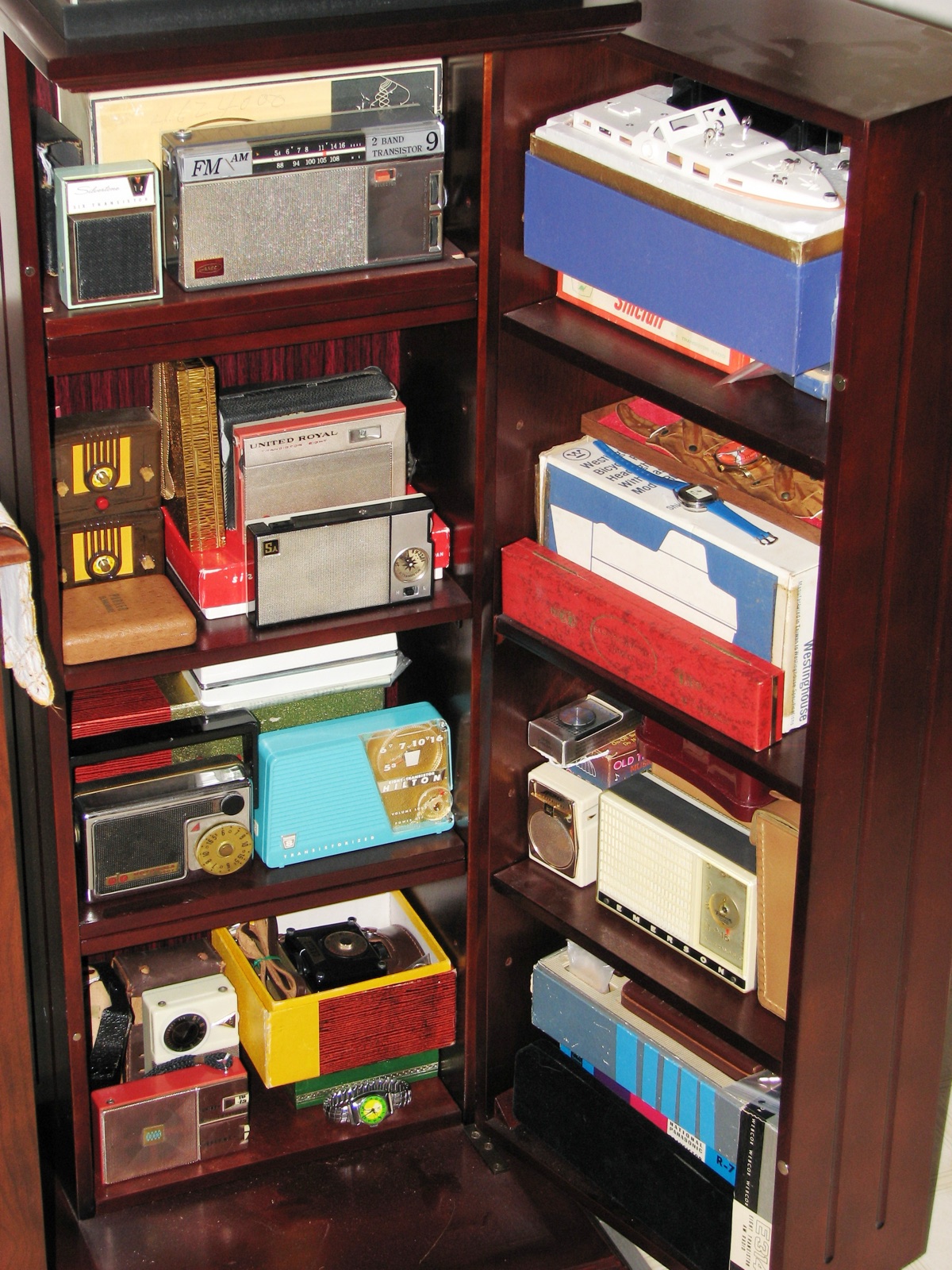
The last idea is that old songs make the years seem to melt away: for a moment the old days are back. That is what the title "Yesterday Once More" says. The Kham Mueang words for this idea are pi ปี (year), hai หายฯ (lost, gone, finished) and hai saep หายฯแสัปฯ, which the dictionary defines as gone, vanished, can't be found, as in a watch that has vanished.
Kham Mueang rendering by MoradokLanna: ฟังเพงเก่า ปี๋หายแส็บ ("listen to the old songs, and the years vanish")
The words at a glance
| Idea | Kham Mueang words | Dictionary meaning |
|---|---|---|
| Listening to songs on the radio, singing along | fang ฟังฯ · pheng เพลฯง · hong phleng ร้อฯงเพลฯฯง · muan ม่วฯร | to listen · a song · to sing · fun, pleasing |
| Old songs come back | kao เกั่า · yam on ยามฯออฯร · hon lang ห฿นฯหัลฯง · phik พิกฯ | before, old · an earlier time · an earlier occasion · to return |
| Remembering, not forgetting | cham chue จำจื่ · luem ลืมฯ · kham kao คำฯเกั่า | to remember · to forget · the old words, the old story |
| Happiness and longing | muan ok muan chai ม่วฯรอ฿กฯม่วฯรไจ · chuen yao ชื่นฯย้าวฯ · kuet hot คึดฯรอฯด · sia chai เสยฯไจ | touched, at ease in the heart · happy, cheerful · to miss · uneasy in the heart |
| Time fading away | pi ปี · hai หายฯ · hai saep หายฯแสัปฯ | year · lost, finished · vanished, can't be found |
All of these renderings are phrasings we put together from dictionary words. They are not the one standard way to say it, and Northerners from different places may say the same idea with other words. We would like native Kham Mueang speakers to check our phrasing before it is used for real.
Compared with Ui Kham: memory from sound and from sight
Jaran Manopetch's song Ui Kham is also born from memory, but the trigger differs. In Yesterday Once More the listener recalls the old days because of music. In Ui Kham, according to our article (which follows the account of Jaran's personal manager), the song came on a train passing the Rangsit fields in the evening, when Jaran saw an old man rowing a boat to pick water spinach in a pond and thought of an old woman he had known as a child. That is a memory brought back by a picture.
The Ui Kham article also says Jaran's "Immortal" set came out as a sepia-covered cassette tape, while the second side of the album that Yesterday Once More bookends is staged as a make-believe radio show. Both old media, the cassette and the radio, carry sound across time to us. You can read another way of looking back on life in the article My Way, which is built on the word liao lang หลฯวหัลฯง (to turn and look behind).
One song says "old sounds take us back to yesterday". The other says "an old picture reminds us of someone we knew". They complement each other, and you can start with either.
Summary
- Hon lang, kao and yam on talk about time gone by, and phik means to come back.
- Fang, pheng and hong phleng are a word set for songs, and muan means fun, pleasing.
- Cham chue means to remember; to say "don't forget" put bo before luem.
- Muan ok muan chai, chuen yao and kuet hot talk about happiness and longing.
- The "Kham Mueang rendering by MoradokLanna" lines in this article retell ideas; they do not translate the song's lyrics.
Look up more of the words in the MoradokLanna dictionary (in Thai). Keep reading in the same series: My Way · Ui Kham or see the whole set at Kham Mueang through songs and literature (in Thai).
Copyright and courtesy
| Item | Details |
|---|---|
| Song | Yesterday Once More |
| Words | John Bettis (English, 1973) |
| Music | Richard Carpenter |
| Best-known recording | Carpenters (1973) |
| Status | Under copyright; all rights belong to the authors, publishers and record labels |
This article was made by Moradok Lanna, a non-profit website, for learning the Lanna language and culture. It is not an adaptation, translation or new version of the song. We quote only a few short lines, with credit, for study, criticism and review, as fair use allows (Thai Copyright Act B.E. 2537, section 32). The Kham Mueang lines are our own wording of the song's ideas, not a translation of its lyrics. Embedded videos come from the rights holders' official channels and remain their property.
With thanks and respect to the songwriters, performers and rights holders. If a rights holder would like anything changed or removed, please write to moradoklanna@gmail.com and we will act promptly.
Sources
- Moradok Lanna dictionary (dict2), words hon lang, fang, pheng, hong phleng, tam, muan, lai, kao, wan kon, yam on, phik, kham kao, kham, cham chue, luem, bo, muan ok muan chai, chuen yao, la-on, yim yuai, sia chai, kuet hot, noi, pi, hai, hai saep, liao lang (in Thai)
- Richard & Karen Carpenter (official website). Yesterday Once More: credits and notes
- Songfacts. Yesterday Once More by Carpenters
- Wikipedia. Yesterday Once More (song) (used as a lead and cross-checked)
- Carpenters – Topic (YouTube channel). Yesterday Once More. YouTube
- Moradok Lanna articles Ui Kham and My Way
Practise the words from this article
Flip through 27 flashcards of the Lanna words used in this article.


