
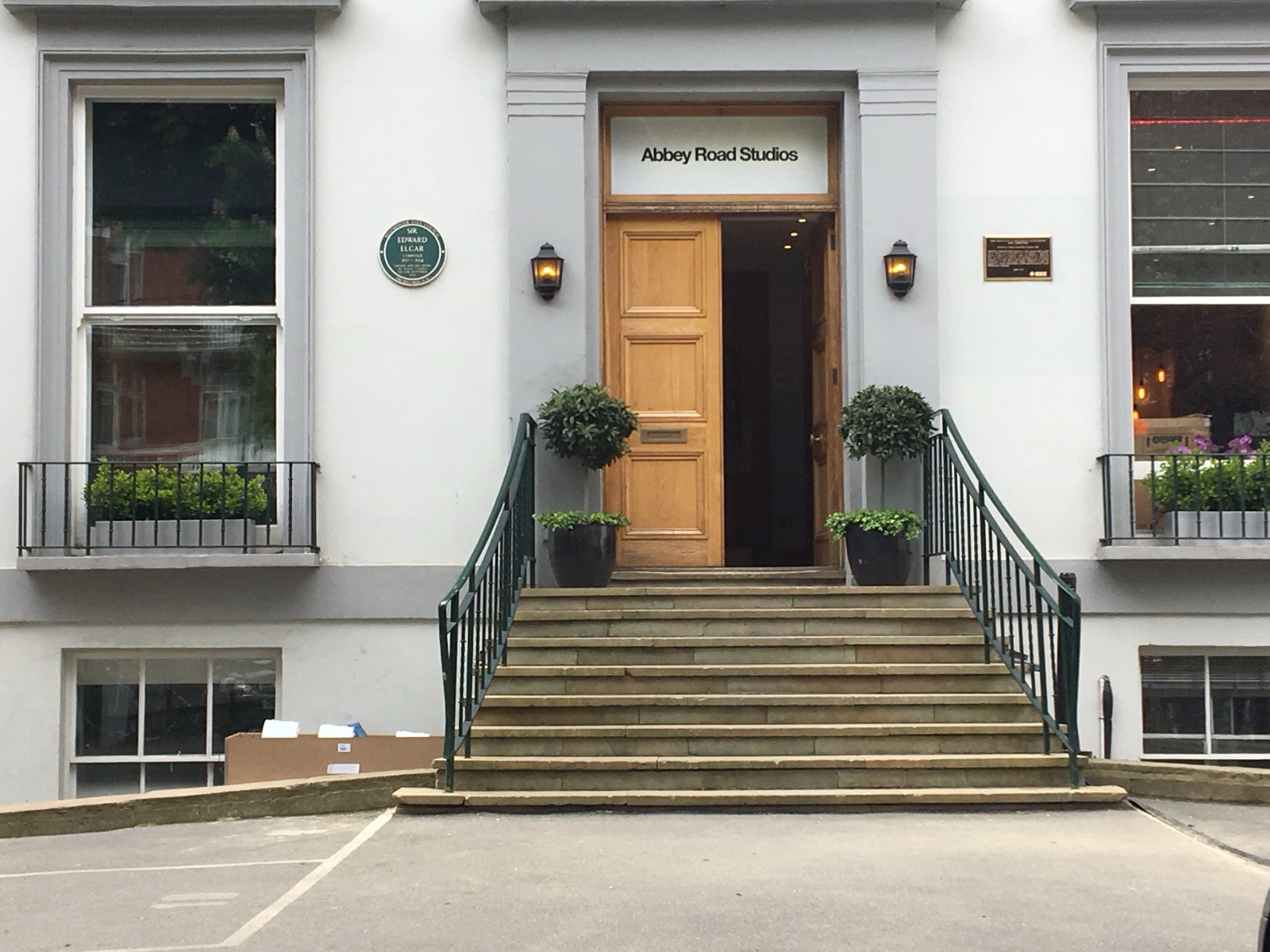
Photo: Paul Gillett / Wikimedia Commons (CC BY-SA 2.0)
Yesterday in Kham Mueang: Telling the Song's Ideas
Yesterday by The Beatles is a simple, sad song that people around the world recognise from its first line. It is about someone who misses yesterday, when everything was still good. In this article we ask a playful question: how would a Northerner (khon mueang) talk about yesterday, about a parting, and about regret?
Yesterday in Kham Mueang is ta wa ตวาฯ, which the dictionary glosses as "yesterday". It is the same word that appears in Dak Sai by Jaran Manopetch. Several Kham Mueang words beginning with "ta-" mark time that has already passed, so this is the article in the series World songs in Kham Mueang that best suits the topic of "time".
The song is still under copyright, so we do not translate it line by line, and we quote only two short phrases. What we take from it is its ideas, and then we try saying those ideas in Kham Mueang. (If you are looking for the other song with a similar title, which is a different song, see Yesterday Once More.)
Where Yesterday comes from
Background. The credit reads Lennon–McCartney, but the song is the work of Paul McCartney, who sang and played acoustic guitar alone; no other member of the band plays on it, according to Wikipedia and The Beatles Bible. McCartney said the tune came to him in a dream while he was staying at the home of his then girlfriend Jane Asher's family on Wimpole Street in London. He woke up and went straight to a piano. At first he worried that he was unconsciously remembering someone else's tune, so he asked people in the music business whether they had heard it before. While it still had no words, he called it "Scrambled Eggs", and then wrote new words. According to Wikipedia it was John Lennon who suggested the title "Yesterday" later on.
The sources do not agree on when the song was finished. The Beatles Bible gathers several accounts: George Martin said he first heard McCartney play it at a hotel in Paris in January 1964; Barry Miles, McCartney's authorised biographer, dates it to May 1965, during the filming of Help!; and Bruce Welch said McCartney finished the words at Welch's villa in Portugal in June 1965. Wikipedia says it was finished in late May 1965, during a holiday in Portugal.
The recording. The Beatles Bible says McCartney recorded the song in Studio Two at EMI's Abbey Road studios in London on 14 June 1965, singing live with his guitar in two takes. George Martin produced and Norman Smith engineered. On 17 June a string quartet arranged by Martin was added, and McCartney re-recorded his vocal that day too. The four players were Tony Gilbert and Sidney Sax (violins), Kenneth Essex (viola) and Francisco Gabarro (cello).
The release. The song first came out on the UK album Help! (The Beatles Bible says 6 August 1965; Wikipedia says only "August"), and as a single in the United States on 13 September 1965. It went to number 1 on the Billboard Hot 100 for four weeks from 9 October. In Britain the band would not allow a single in that year, because they felt it did not fit the band's image, so Matt Monro's cover reached the top ten instead. The UK single came out on 8 March 1976 and reached number 8 (according to Wikipedia).
The song later won the Ivor Novello Award for outstanding song of 1965 and entered the Grammy Hall of Fame in 1997, according to Wikipedia. Sources count the cover versions differently: Wikipedia cites about 2,200 and says Guinness World Records counted 1,600 by 1986.
Listen to the song from the band's official channel, to compare with the ideas we go through next.

Ta wa: yesterday, and the "ta-" prefix
The title is "yesterday", and the opening line the whole world remembers is "Yesterday, all my troubles seemed so far away" (Lennon–McCartney, "Yesterday", 1965). Yesterday, trouble felt far off. Kham Mueang says yesterday as ta wa ตวาฯ or wan wa วันฯวาฯ, and the dictionary glosses both the same way: the day before today.
The prefix ta- marks time that has already passed (for more, see the article on Dak Sai). The related time words in the dictionary run like this, from the near past to the far past, ending with the future.
| Kham Mueang | Reading | Dictionary meaning |
|---|---|---|
| ta ki ตกี้ | ta ki | just a moment ago |
| ta khuen ตฅืนฯนี้ | ta khuen | last night, the night just past |
| ta wa ตวาฯ | ta wa | yesterday (also wan wa) |
| wan suen วันฯซืนฯ | wan suen | the day before yesterday |
| ta kon ตก่อฯร | ta kon | before, formerly, in the past |
| phuk ระฯพูก | phuk | tomorrow, the day after today |
Kham Mueang rendering by MoradokLanna: ตะวา เรื่องยากเรื่องโสกยังไก๋ห่าง ("Yesterday, troubles and sorrows were still far away")
Besides ta wa, the sentence uses yak ยากฯ, which the dictionary glosses as distress, suffering, hardship, and sok โส฿กฯ, meaning distress of mind, sorrow, sadness. Kai ไกลฯ means far, distant, long, and hang ห่างฯ means far away, not close. The plain words for "problem" and "suffering" are not in the dictionary as Kham Mueang words, so we chose yak and sok instead.
Mue ni, bo yang ta wa: today is not like yesterday
The second idea of the song is that today is very different from yesterday: the trouble that was once far off is now in front of you. Kham Mueang has yang ta wa อยฯางฯตวาฯ, which the dictionary glosses as "like yesterday". Put bo in front and it means "not like yesterday".
For "today" we use mue มื้ (a time, an occasion, a turn) with ni นี้, giving "mue ni". Note that the dictionary has no entry "mue ni" as a single word; we simply join two existing words the way people ordinarily say it.
Kham Mueang rendering by MoradokLanna: มื้อนี้ บ่อย่างตะวา ("Today is not like yesterday")
Mue, bo u, bo hu sang: someone who left without saying why
The third idea is that someone has gone, and the speaker has no idea why. The song says only that she would not say. We tell this idea with three words. Mue เมิอฯอ means, in the dictionary, to go, to go back. Bo u บอู้ means not to speak, and bo hu sang บรู้สังฯ means not to know anything. The word phu ผู้ is glossed as "person".
Kham Mueang rendering by MoradokLanna: ผู้นั้นเมือไป บ่อู้เหตุ เฮาก็บ่ฮู้สัง ("That person went away without telling why, and I don't know")
To ask "why", the dictionary has yang หัยฯง, which means "what, why".
U laeo sia chai: regret over what was said
The fourth idea is that the speaker wonders whether he said something wrong, and feels sorry about his own words. Kham Mueang uses u อู้ (to speak, chat, talk) and sia chai เสยฯไจ (uneasy in the heart). Siadai เสยฯดายฯ is feeling sorry for what you should have done but did not (see also My Way). The dictionary does not have the word for "wrong" as a Kham Mueang word, so we do not write that one in Kham Mueang.
Kham Mueang rendering by MoradokLanna: อู้แล้วเสียใจ๋ ("Said it, and now I'm sorry")
Yak yon mue ta wa: believing in yesterday
The fifth idea is the heart of the song: still believing in, and wanting to go back to, yesterday. The refrain people remember is "Oh, I believe in yesterday" (Lennon–McCartney, "Yesterday", 1965), the second line we quote.
Kham Mueang has fitting words. Yak อยฯากฯ means to wish for, to want, and yon ห้ยฯร means to turn back, to return. Mue means to go back. To say "I miss", there are kuet hot คึดฯรอฯด (to miss) and la nuek หลฯะนึกฯ (to recall, to think of).
Kham Mueang rendering by MoradokLanna: อยากหย้อนเมือตะวา ("I want to turn back to yesterday")
Ti son: a place to hide the heart
The last idea is the wish for a place to hide away from sorrow. Son ซ่อฯร in the dictionary means to hide, to keep out of sight. Ti ที่ is a place, a locality, and ha หา means to search for, to seek.
Kham Mueang rendering by MoradokLanna: อยากหาตี้ซ่อน ("I want to find a place to hide")
The words at a glance
| Idea | Kham Mueang words | Dictionary meaning |
|---|---|---|
| Yesterday and time gone by | ta wa ตวาฯ · wan wa วันฯวาฯ · ta kon ตก่อฯร · ta ki ตกี้ · ta khuen ตฅืนฯนี้ | yesterday · the day before today · before, in the past · a moment ago · last night |
| Troubles that once felt far | yak ยากฯ · sok โส฿กฯ · kai ไกลฯ · hang ห่างฯ | hardship · sorrow · far · far away |
| Today is not like yesterday | mue มื้ · ni นี้ · yang ta wa อยฯางฯตวาฯ | a time, an occasion · this (pointing) · like yesterday |
| Someone who left without saying why | mue เมิอฯอ · bo u บอู้ · bo hu sang บรู้สังฯ | to go, to go back · not to speak · not to know anything |
| Sorry for what was said | u อู้ · sia chai เสยฯไจ · siadai เสยฯดายฯ | to speak · uneasy in the heart · sorry for what you should have done but did not |
| Wanting to go back to yesterday | yak อยฯากฯ · yon ห้ยฯร · kuet hot คึดฯรอฯด · la nuek หลฯะนึกฯ | to want · to turn back · to miss · to recall |
| Looking for a place to hide the heart | son ซ่อฯร · ti ที่ · ha หา | to hide · a place · to search for |
All of these renderings are phrasings we put together from dictionary words. They are not a single standard version, and Northerners from different places may say the same idea in other words. We would also like a native speaker to check them.
Compared with Dak Sai: the "ta-" time words
Dak Sai by Jaran Manopetch opens with the Kham Mueang time word ta khuen (last night), a sibling of ta wa in this song. Both songs begin with time that has already passed, but they lead us in different directions. Dak Sai tells, playfully, what was done last night. Yesterday tells of a yesterday that has become something to long for.
The language itself is interesting too. Northerners have time words for several steps of the past, from just a moment ago (ta ki), last night (ta khuen), and yesterday (ta wa), to the past in general (ta kon). Central Thai often puts "mua..." in front of a time word, while Kham Mueang has several single words of this kind.
Summary
- Ta wa is yesterday (wan wa too), and the prefix ta- marks time already passed, as in ta ki, ta khuen and ta kon.
- Yak and sok are hardship and sorrow, and kai is far.
- Yang ta wa is "like yesterday"; put bo before it and it is "not like yesterday".
- Mue is to go or go back, bo u is not to speak, and bo hu sang is not to know anything.
- Yak, yon, kuet hot and la nuek talk about missing and wanting to go back.
- The "Kham Mueang rendering by MoradokLanna" lines in this article tell the ideas; they are not a translation of the lyrics.
Look up the words in the Moradok Lanna dictionary (in Thai). Read on in the same series: My Way · Dak Sai or see the whole set at Kham Mueang through songs and literature (in Thai).
Copyright and courtesy
| Item | Details |
|---|---|
| Song | Yesterday |
| Words | Lennon–McCartney (English, 1965), written by Paul McCartney |
| Music | Lennon–McCartney, written by Paul McCartney |
| Best-known recording | The Beatles (Paul McCartney, vocal and guitar, 1965) |
| Status | Under copyright; all rights belong to the authors, publishers and record labels |
This article was made by Moradok Lanna, a non-profit website, for learning the Lanna language and culture. It is not an adaptation, translation or new version of the song. We quote only a few short lines, with credit, for study, criticism and review, as fair use allows (Thai Copyright Act B.E. 2537, section 32). The Kham Mueang lines are our own wording of the song's ideas, not a translation of its lyrics. Embedded videos come from the rights holders' official channels and remain their property.
With thanks and respect to the songwriters, performers and rights holders. If a rights holder would like anything changed or removed, please write to moradoklanna@gmail.com and we will act promptly.
References
- MoradokLanna Dictionary (dict2): ta wa, wan wa, ta kon, ta ki, ta khuen, wan suen, phuk, mue, ni, yang ta wa, yak, sok, kai, hang, mue, phu, bo u, bo hu sang, u, sia chai, siadai, yak, yon, kuet hot, la nuek, son, ti, ha, fan, tuen, yang.
- Wikipedia. Yesterday (Beatles song) (used as a lead and checked against other sources).
- The Beatles Bible. Yesterday
- The Beatles Bible. Recording: Yesterday (14 June 1965)
- The Beatles - Topic (official YouTube channel). Yesterday (Remastered 2009). YouTube
- Moradok Lanna articles My Way, Dak Sai and Yesterday Once More.
Practise the words from this article
Flip through 31 flashcards of the Lanna words used in this article.


