
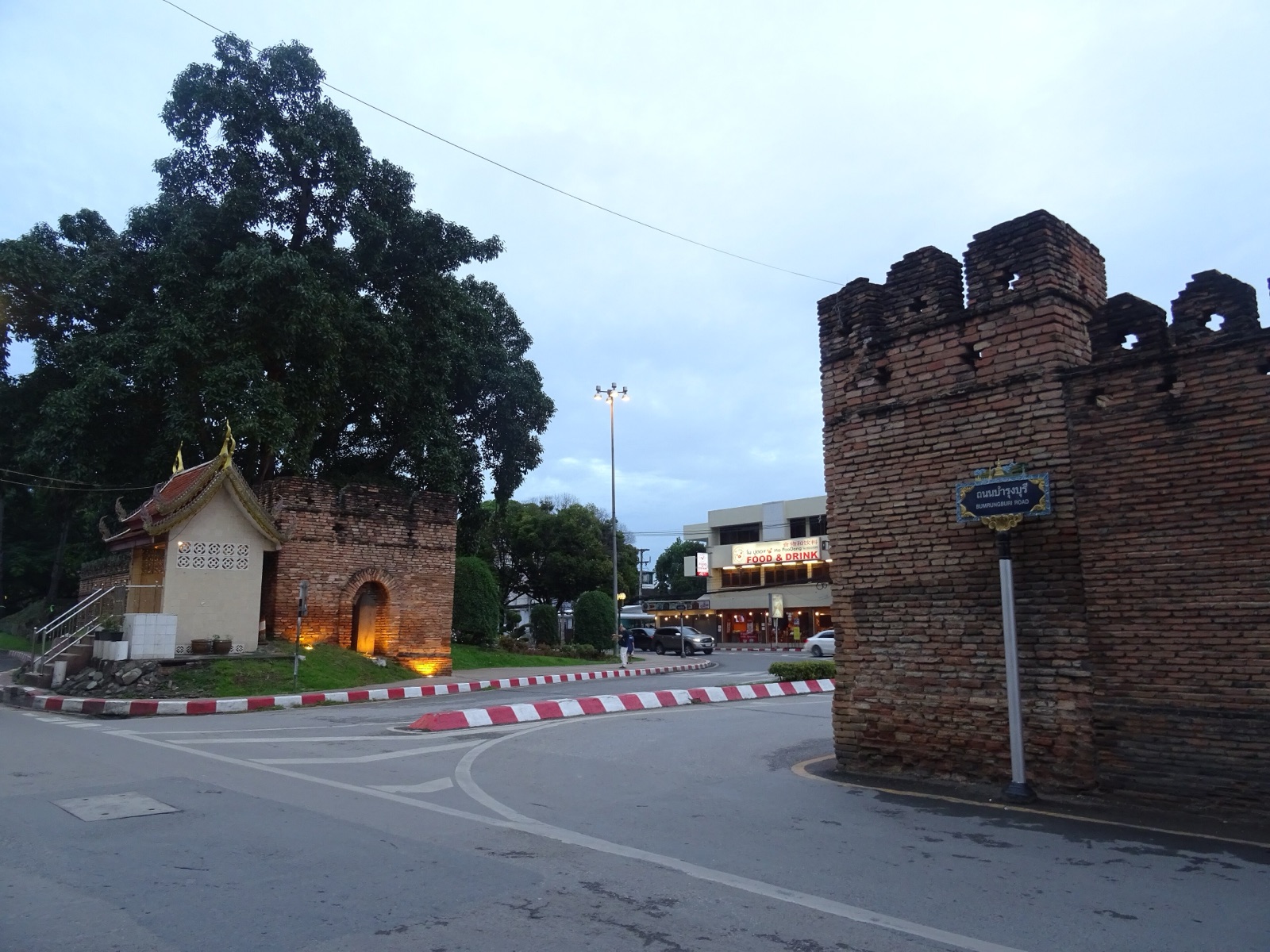
Photo: Krzysztof Ziarnek, Kenraiz / Wikimedia Commons (CC BY-SA 4.0)
Ui Kham: Kham Mueang from a Jaran Manopetch Song
Ui Kham is a Kham Mueang (Northern Thai) folk song by Jaran Manopetch about an old woman named "Kham", who lives alone and makes her living cutting water spinach from the pond. The word ui (อุ้, Kham Mueang reading ui) is what Northerners call someone of their grandparents' generation, and "Kham" is her name.
This article is part of the series Kham Mueang through songs and literature. We do not print the whole song; we pick out only short lines and the words worth knowing, with the story behind the song. The song speaks of old age and of someone passing away, so we tell it plainly and respectfully. You can hear the full song in the official video below.
The song Ui Kham: where it comes from and when
Jaran Manopetch wrote both the words and the music. Wikipedia lists Ui Kham on the album Kham Mueang Folk Song No. 4, Jaran–Kasem Manopetch (Tha Phae Bannakhan, 1976) and on Kham Mueang Folk Song, Amata set (1977). Bon Borapet of MGR Online (2012) says the Amata set came out as a sepia-covered cassette in 1978 and calls Ui Kham the standout of that set. The sources give different years, so we do not insist on a single one.
Bon Borapet also notes that the cassette sleeve printed the title as "อุ้ยคำ" (with the mai tho tone mark), but the song is sung ui kham with the rising tone, which agrees with the dictionary, which spells this word with the mai tri.

Video from the official channel of the Nititad AOA Official label, which says the song is on the album "Folk Song Kham Mueang".
Ui, Kham and the family
The song calls its heroine "Ui Kham": ui (an elder) followed by her name Kham (ฅำ), which in the dictionary is the word meaning gold. The words about age and kin in the song:
| Word | Reading | Meaning in the dictionary |
|---|---|---|
| ui อุ้ | ui | the father or mother of one's parents (pho ui, mae ui), and those of equal standing |
| khon thao ฅ฿นฯเถั้า | khon thao | an old person, an elder, an aged person |
| kae แก่ | kae | old, of great age (the song says "khon kae") |
| phua ผ฿วฯ | phua | husband, the man who is a woman's partner |
| luk ลูก | luk | child, one born of a father and mother |
| pi nong พี่น้อฯง | pi nong | elder and younger siblings, relatives, people one respects like kin |
Read more words for relatives in Kham Mueang kinship words.
Listening line by line
The song opens with the plainest possible picture of Ui Kham:
อุ๊ยคำคนแก่ ท่าทางใจดี — Ui Kham, words: Jaran Manopetch
("Old Ui Kham, she looks so kind.")
| Line in the song | Words to know | Meaning |
|---|---|---|
| อุ๊ยคำคนแก่ ท่าทางใจดี | chai di ไจดี | kind-hearted, generous, gentle and slow to anger (the song writes it the central Thai way, "chai di") |
| ลูกผัวบ่มี | bo mi บมี · bo บ | no child and no husband; bo is the negative before a verb |
| เกี่ยวผักบุ้ง ใส่บุงกลางหนอง | kiao ก่ยฯว · phak bung ผักฯบุ้ง · bung บุง · nong หนฯอฯง | cutting water spinach shoots into a basket in the middle of the pond |
| บ่หันอุ๊ยคำ | bo han บหันฯ · han หันฯ | (I) do not see Ui Kham; han means to see, with the dictionary example han na han ta (to see someone's face) |
The line "luk phua bo mi" puts the words luk and phua side by side, so its direct meaning is "no child and no husband", in other words, no family living with her. The last line in the table comes from the part where the narrator notices that the woman he used to see every day is no longer to be seen.
The lyrics go on to tell of Ui Kham's family life in the past, and say that now she has no relatives (pi nong) nearby. We give only the outline here and do not quote that whole part of the song.
The lyrics differ slightly between sources
This article quotes only lines on which the sources agree. The description of the Nititad AOA Official video has "daet-on", "laeng ni" and "pen di en-du lam", while Bon Borapet's article (2012) prints "daet-ok", "laeng ni" with a mai tho tone mark and "pen ti en-du lam". Some lyric websites also print some words wrongly, for example the line starting "ta kor fa", so we leave out lines we are not sure of. The word "malaeng" in the opening line is not in the dictionary, so we do not write it in Lanna script.
Laeng: Ui Kham's evening
Almost the whole song happens towards evening: Ui Kham out in the pond until dark, and the narrator not seeing her at "laeng", the hour when they used to meet every day. The word laeng (แลงฯ, Kham Mueang reading laeng) is given in the dictionary as evening, as in yam laeng. khao laeng (เขั้าแลงฯ) is the evening meal, and the period 4:00–5:30 p.m. is called yam kong laeng (ยามฯกลฯอฯง) in the dictionary.
Turn the dial below to the evening to see where a Khon Mueang "laeng" falls in the day. Read about all the yam in the Lanna clock.
Phak bung, nong, khiao, bung: Ui Kham's work
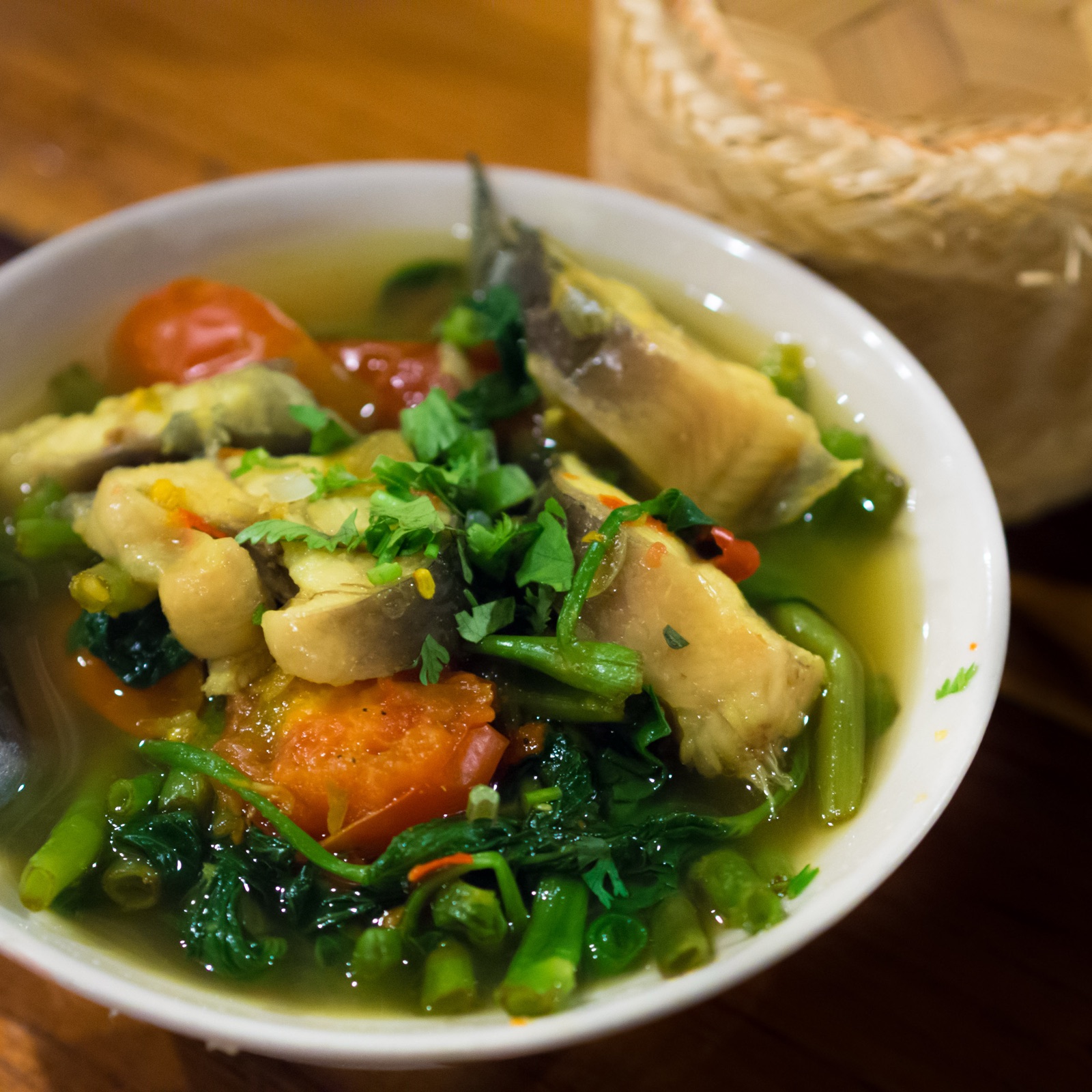
Ui Kham's tools and workplace are the plainest things of country life. The dictionary defines nong as a body of water larger than a buak, whether natural or dug by people. khiao (ฅยฯว) is the tool for cutting rice or grass, and bung is the krabung, a tall, round, tightly woven basket for carrying things. phak bung the dictionary describes as a creeper trailing along the water surface and wet ground; its shoots are edible and the whole plant can be used as medicine.
The true story behind the song
The People (2021) tells it, on the word of Manit Atchawong, Jaran's personal manager, like this: the song was born on a train heading back to Chiang Mai. Passing the Rangsit fields in the evening, Jaran saw an old person rowing a boat and cutting water spinach shoots in a pond, and it reminded him of an old woman from his childhood. He asked Manit for paper, a sheet of newspaper that Manit tore off, and began writing the song there and then. Bon Borapet, citing Manit's book Sueng Sutthai: Jaran Manopetch, tells the same story.
The real Ui Kham lived not far from Jaran's home at Pratu Chiang Mai. Jaran said she led a happy life, not as sad as in the song. Each morning she carried two baskets round the houses to collect food to offer at the temple, and she had a pond at home where she picked water spinach to eat, sell and give away. After she passed away, Jaran helped tell the village head and took part in the funeral arrangements, according to what he told The People.
Bon Borapet sees Ui Kham as the model for the "ballad" of Jaran's style, telling the story of an ordinary person, which followed in several later songs such as Mida, Mae Kha Pla Chom, Lung Ta Kham, Ta Kap Lan, Sao Rong Bom and Sam Lo.
The meaning as a whole
The song shows us a kind old woman working quietly beside the pond until dusk, with no child or husband to be with her, but with a narrator who knows her and feels warmly towards her. Then one day she is no longer seen. The last part changes the picture to a dark sky and the sound of monks, and the listener understands for themselves that Ui Kham has passed away. The song gives no details beyond that; it ends in quiet and respectful sorrow.
Manit remembered that when Jaran sang this song he rarely forgot to say, "Go home and visit your elders, go and visit your ui at home" (The People, 2021), which is the warmest meaning of the song.
Summary
- ui is the word for an elder of the grandparents' generation, and Kham is the name of the ui in the song.
- luk phua bo mi tells us that Ui Kham lives alone; bo is the negative.
- kiao, phak bung, bung, nong, khiao are the words of the pond work that make the whole song easy to picture.
- laeng means evening, and khao laeng is the evening meal.
- Ui Kham was a real person, with a happier life than the song tells, according to Jaran.
Look up more words from the song in the Moradok Lanna dictionary (in Thai). For another way of looking back on a life, from a world song, see My Way in Kham Mueang. More in the same series: Phak Kat Cho · Khong Kin Khon Mueang, or see the whole series at Kham Mueang through songs and literature (in Thai). Learn more vegetable names in Kham Mueang vegetable names.
Sources
- Moradok Lanna dictionary (dict2), entries อุ๊ย, คำ, ผั๋กบุ้ง, หนอง, เคียว, เกี่ยว, บุง, แลง, เข้าแลง, ยามก๋องแลง, ผัว, ลูก, บ่, บ่มี, หัน, ปี้น้อง, คนเถ้า, แก่, ใจ๋ดี. In Thai.
- Nititad AOA Official. (2015). อุ้ยคำ - จรัล มโนเพ็ชร [Official Music Video] [Ui Kham – Jaran Manopetch]. YouTube (lyrics in the video description).
- The People. (2021, July 22). ‘อุ้ยคำคนแก่ ท่าทางใจดี’ คือหญิงชราที่มีตัวตนอยู่จริงในความทรงจำของ ‘จรัล มโนเพ็ชร’ ["Ui Kham, the kind old woman" was a real person in Jaran Manopetch's memory]. In Thai.
- บอน บอระเพ็ด [Bon Borapet]. (2012, April 4). โฟล์คซองคำเมือง ชุดอมตะ “อุ๊ยคำ-สาวมอเตอร์ไซค์-พี่สาวครับ” เพลงดังอมตะของ “จรัล มโนเพ็ชร” [Kham Mueang folk song, Amata set]. MGR Online. In Thai.
- วิกิพีเดีย [Wikipedia]. จรัล มโนเพ็ชร [Jaran Manopetch] (discography), used as background on the albums. In Thai.
Practise the words from this article
Flip through 20 flashcards of the Lanna words used in this article.


