
Photo: M J Richardson / Wikimedia Commons (CC BY-SA 2.0)
Auld Lang Syne in Kham Mueang: Every Verse
Auld Lang Syne is the song many countries sing on New Year's Eve. It is a poem in Scots by the Scottish poet Robert Burns, which he sent to a Scottish song collection in 1788. It asks whether old friends should be forgotten, and invites everyone to raise a cup together. The Scots phrase "auld lang syne" means roughly "old times long past". In Kham Mueang the matching word is hon lang ห฿นฯหัลฯง (Kham Mueang reading hon lang), which the dictionary defines as "an earlier time".
This is one more article in the set World songs in Kham Mueang, within Kham Mueang through songs and literature. The one before it was My Way, which is still under copyright, so we could only retell its "ideas". Auld Lang Syne is different. Burns's words are in the public domain, so this article renders the original text in Kham Mueang verse by verse, in full, and every Kham Mueang word comes from the Moradok Lanna dictionary.
Where the song comes from
Wikipedia records that Burns sent the song to the Scots Musical Museum in 1788 with the note that it was "an old song, of the olden times". This agrees with the headnote by Alexander Whitelaw in The Book of Scottish Song (1843), which says Burns told both Mrs. Dunlop and Mr. Thomson that he took the song down from the singing of an old man, and that in Johnson's Museum the song is marked Z, meaning "an old song with additions and alterations".
Whitelaw adds that he is "inclined to believe this partially". He thinks the first, fourth and fifth verses (in his order) look like fragments of an old ditty, while the second and third show the tenderness of the poet himself. Wikipedia adds that the ballad "Old Long Syne", printed by James Watson in 1711, is very close to the first verse and the chorus, and that the rest is fairly attributed to Burns. In short, Burns was both collector and author.
Singing the song at New Year (Hogmanay) quickly became a Scottish custom, then spread across the British Isles and travelled with emigrants round the world. Wikipedia notes that in Scotland people join hands in a circle and cross arms for the last verse, following local custom. Guy Lombardo and his band played the song on New Year's Eve from 1929 until at least 1977. Wikipedia also says the tune is used for "Hotaru no Hikari" in Japan and "Jakbyeol" in South Korea (Wikipedia only; we use this as a lead).
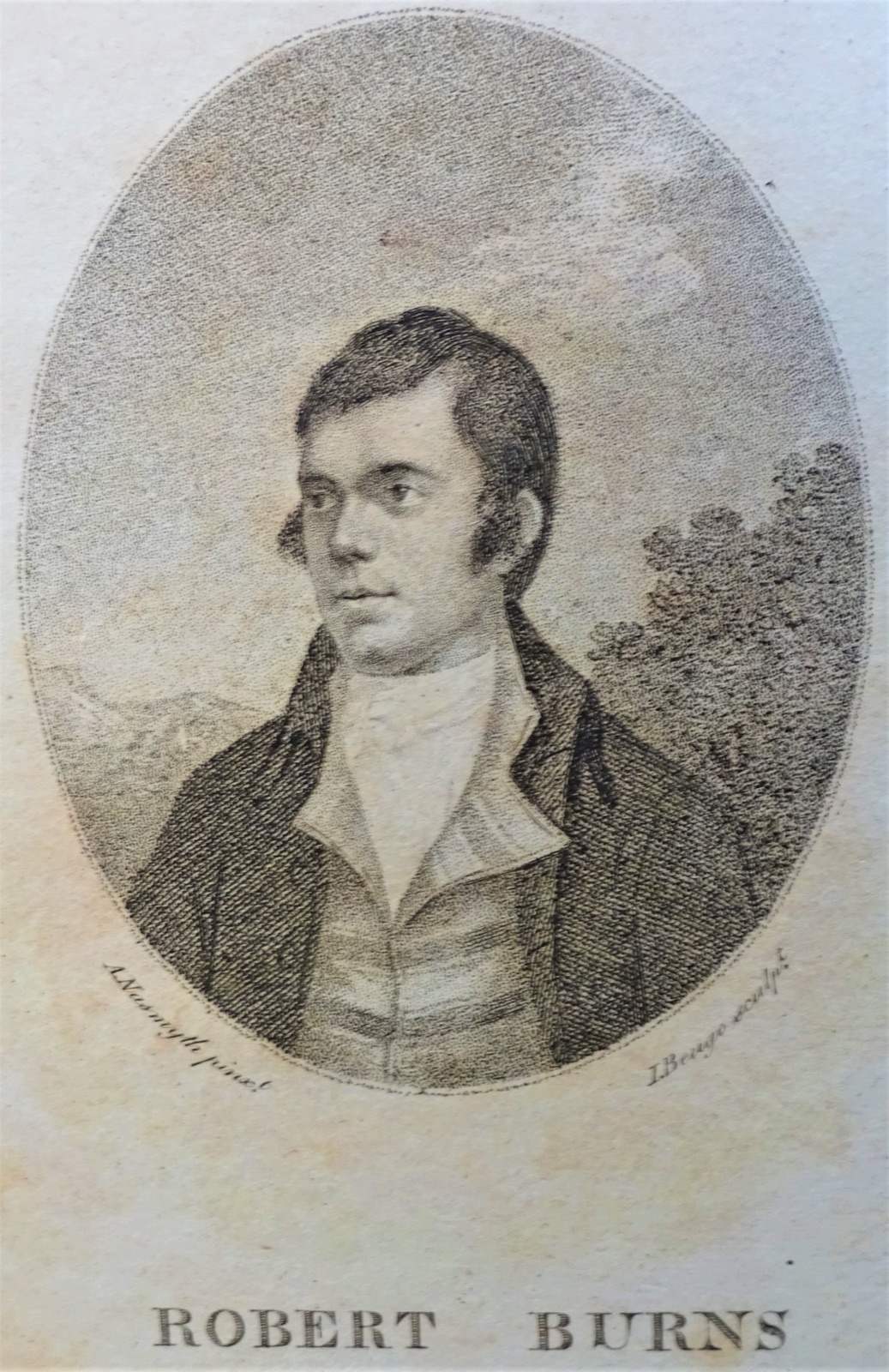
The text we used
We used the text in The Poetical Works of Robert Burns, edited by Alexander Smith (F. A. Stokes, New York, 1887), which can be read on Wikisource, and checked it against Whitelaw's edition (1843). Both have the same five verses and chorus in the same order and differ only in spelling and punctuation, for example fiere and frien', guid and gude, foot and fit, stowp and stoup, hand and haud. We follow Smith's order and spelling. Scots has its own voice, so we give a plain English meaning after each verse.
For the Kham Mueang we write in Thai script following the Kham Mueang sounds, and add the Lanna script only for words found in the dictionary. A word that is not in the dictionary we do not invent; we use a Thai word and say so.
Verse 1 and the chorus: hu chak kao, cha luem ko?
Should auld acquaintance be forgot,
And never brought to min'?
Should auld acquaintance be forgot,
And days o' lang syne?
For auld lang syne, my dear,
For auld lang syne,
We'll tak a cup o' kindness yet,
For auld lang syne.
In plain English: should old acquaintances be forgotten and never called to mind? Should old acquaintances and the days gone by be forgotten? The chorus says: for old times, my dear, for old times, we'll take a cup of kindness once more, for old times.
The dictionary gives hu chak รู้จักฯ as to know, to have met, to recognise, and its example hu chak ko ("do you know?") shows that Kham Mueang puts ko after a verb to ask a question. Kao เกั่า is old, from long ago. Luem ลืมฯ is to be unable to remember. Bo koei means "never", and kuet hot คึดฯรอฯด is to think of, to miss.
There is no direct word for "for the sake of" in the chorus, so we chose yon ย้อฯร, which the dictionary glosses as "because of, owing to". The sense therefore leans towards "because of the old days" rather than "for". We ask Kham Mueang speakers to check this. Ti hak ที่รักฯ is "beloved, sweetheart". Chok จอฯก is a small, tall, round vessel for liquids such as drinking water, medicine or liquor. Nam chai นาฯไจ is a true heart, sincerity, generosity, which fits "kindness" well. Yok ย฿กฯ is to lift something up, to give.
Kham Mueang rendering by MoradokLanna: คนฮู้จั๋กเก่า จะลืมก่อ / บ่เกยกึ๊ดฮอดก่อ / คนฮู้จั๋กเก่า จะลืมก่อ / หนหลังจะลืมก่อ // ท่อนฮุก: ย้อนหนหลัง ตี้ฮัก ย้อนหนหลัง / เฮาจะยกจอกน้ำใจ๋ / ย้อนหนหลัง ("Would old acquaintances be forgotten? / Never thought of? / Would old acquaintances be forgotten? / Would the old times be forgotten? // Chorus: because of old times, my dear, because of old times / we will raise the cup of kindness / because of old times")
The word khon ฅ฿นฯ in the first line is defined by the dictionary as a human being, and hao เรัา as the first-person plural pronoun, used for the speaker or a group of speakers, which suits a song sung together. The dictionary says cha จะ developed from chak.
Verse 2: lon pai mon, kep dok mai
We twa hae run about the braes,
And pu'd the gowans fine,
But we've wander'd mony a weary foot
Sin auld lang syne.
In plain English: the two of us used to run about the hillsides and pick the lovely wild flowers, but we have walked many a weary mile since those old days.
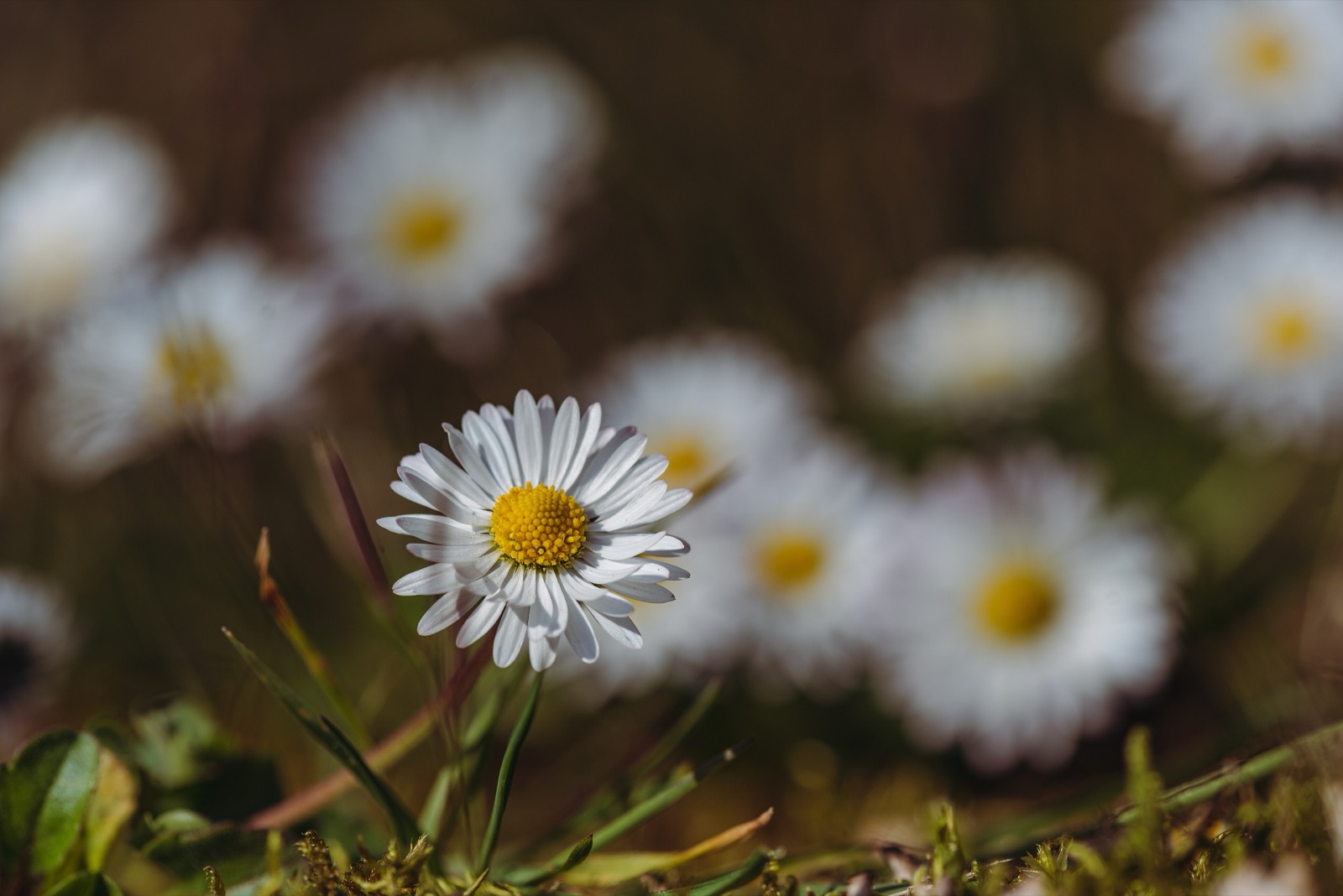
Braes are slopes or hillsides. The dictionary has mon ม่อฯร for a hill or hilltop (a lower one is called mon, a high mountain doi), which suits children running on a slope. Gowans, according to the Scottish National Dictionary, is a general name for several wild flowers, yellow or white with yellow centres, and common English editions read it as daisies, so we use the neutral dok mai ดอฯกไม้ ("flower").
The other words here are song สอฯง (two), lon ล่฿นฯ (to run), kep เกัปฯ (to pick things up and gather them), ngam งา (beautiful), tiao ทยฯว (to walk), tang ทาฯงฯ (way, road), noei เหิ่อฯยฯ (tired), lai หลฯายฯ (many) and tiam tae ทยฯมแต่ (since, counting from).
Kham Mueang rendering by MoradokLanna: เฮาสองล่นไปม่อน เก๋บดอกไม้งาม / เตียวมาหลายตางเหน่ย เตียมแต่หนหลัง ("We two ran to the hill, picked lovely flowers / walked many tiring ways, since the old times")
Verse 3: yam huai, the sea in between
We twa hae paidl't i' the burn,
From mornin sun till dine;
But seas between us braid hae roar'd
Sin auld lang syne.
In plain English: the two of us paddled in the stream from morning sun until dinner-time, but broad seas have roared between us since those old days.
A burn is a small stream. Kham Mueang has huai ห้วฯยฯ (a watercourse in the forest running down from the hills) and yam ยา, which the dictionary defines as to tread again and again, a good match for splashing about. Morning is tawan ตาวันฯ (the sun) with ngai ง่ายฯ (morning time).
Dine, as general glossaries explain it, means the main meal of the day, which in those days was usually at midday, so we match it with yam tiang ยามฯท่ยฯง, the dictionary's time of about 10:30–12:00. We use chon จ฿นฯ (until) and hot รอฯด (to arrive at). For the sea and the distance we use kwang ก้วฯางฯ, hong ร้อฯง (to make a loud sound), yu อยฯู่ and kang กลฯางฯ (middle).
Kham Mueang rendering by MoradokLanna: เฮาสองย่ำห้วย เตียมแต่ต๋าวันงาย จ๋นฮอดยามเตี้ยง / ทะเลกว้างฮ้องอยู่ก๋างเฮา เตียมแต่หนหลัง ("We two splashed in the stream, from the morning sun until midday / the wide sea roars between us, since the old times")
Verse 4: yuen mue ma, ku thu wai chai
And here's a hand, my trusty fiere,
And gie's a hand o' thine;
And we'll tak a right guid willie-waught,
For auld lang syne.
In plain English: here is my hand, my trusty friend, and give me your hand too; and we'll take a hearty good-will drink for old times.
Fiere is a companion or comrade. The Moradok Lanna dictionary has no word for "friend" as such, but it has ku thu คู่ถู, defined as a pal, a close friend, a chum, so we chose it. Wai chai ไว้ไจ is to place trust, to rely on. Mue มื is the hand, yuen ยื่นฯ is to hand over, to give, and ma มา is to come towards. Ni นี้ is a pointing word.
The pronoun tua ต฿วฯ is, according to the dictionary, the second-person pronoun used between close friends or sweethearts, which suits a song addressed to a dear friend.
Kham Mueang rendering by MoradokLanna: มือเฮานี้ กู้ถูไว้ใจ๋ / ยื่นมือตั๋วมา / เฮาจะยกจอกน้ำใจ๋ / ย้อนหนหลัง ("This hand of ours, trusted friend / hold out your hand to me / we will raise the cup of kindness / because of old times")
Verse 5: buy your own cup, I'll buy mine
And surely ye'll be your pint-stowp,
And surely I'll be mine;
And we'll tak a cup o' kindness yet,
For auld lang syne.
In plain English: surely you'll buy your own pint, and I'll buy mine, and then we'll take a cup of kindness for old times.
This verse has a small joke: each person pays for their own drink, and only then do they raise the cup of kindness together. A pint-stowp is a pint tankard, bigger than the dictionary's chok, but it is the nearest word we have. Sue ซื้ is to exchange money for something. Laeo แลฯวฯ is defined as finished, done, and we use it to link sentences in the spoken way, "and then...".
Kham Mueang rendering by MoradokLanna: ตั๋วจะซื้อจอกตั๋ว เฮาจะซื้อจอกเฮา / แล้วเฮาจะยกจอกน้ำใจ๋ / ย้อนหนหลัง ("You will buy your cup, we will buy ours / then we will raise the cup of kindness / because of old times")
The words at a glance
| Idea | Kham Mueang words | Dictionary meaning |
|---|---|---|
| Old acquaintances and old days | hu chak รู้จักฯ · kao เกั่า · hon lang ห฿นฯหัลฯง · luem ลืมฯ · kuet hot คึดฯรอฯด | to know · old · an earlier time · to be unable to remember · to miss |
| The cup of kindness | chok จอฯก · nam chai นาฯไจ · yok ย฿กฯ · sue ซื้ | a small vessel for liquids · sincerity, generosity · to lift, give · to exchange money for goods |
| Playing together as children | lon ล่฿นฯ · mon ม่อฯร · kep เกัปฯ · dok mai ดอฯกไม้ · huai ห้วฯยฯ · yam ยา | to run · hill · to pick up and gather · flower · forest stream · to tread again and again |
| Long journeys and distance | tiao ทยฯว · tang ทาฯงฯ · noei เหิ่อฯยฯ · tiam tae ทยฯมแต่ · kwang ก้วฯางฯ · kang กลฯางฯ | to walk · way · tired · since · not narrow · middle |
| A close friend and an offered hand | ku thu คู่ถู · wai chai ไว้ไจ · mue มื · yuen ยื่นฯ · tua ต฿วฯ · hao เรัา | pal, close friend · to trust · hand · to hand over · you (close friends) · we |
All of these Kham Mueang lines are phrasings we put together from dictionary words, not the one standard way to say it, and Northerners from different places may say the same idea with other words. The points we are less sure about are marked (yon for "for the sake of", chok for "pint-stowp", and "sea", which is not in the dictionary). We ask Kham Mueang speakers to check them before anyone sings them for real.
Compared with dam hua: visiting those who came before at the New Year
The song asks "shall we forget old acquaintances?" and answers by joining hands and raising a cup on New Year's Eve. The Lanna New Year (pi mai mueang ปีให่มฯเมิอฯง, which the dictionary defines as Songkran, the festival of the new year) is also a time when Northerners go back to the people who have been part of their lives, especially elders. The article on Wan Phaya Wan describes each day of the festival in detail.
The ceremony that comes closest is dam hua, in which people ask elders for forgiveness and blessings. But the two differ in purpose. Auld Lang Syne remembers friends of equal standing and drinks to them, while dam hua shows respect to the senior and asks pardon for any offence. They are not the same kind of thing, but they share a heart: not letting old people drop out of your life when the new year arrives.
Summary
- Hon lang is "an earlier time", matching "auld lang syne", and hu chak, kao, luem and kuet hot ask whether old acquaintances will be forgotten.
- Chok and nam chai are the cup of kindness, and ku thu is the close friend who holds out a mue (hand).
- Burns's words (1788) are in the public domain, so we render all five verses and the chorus in Kham Mueang, using Alexander Smith's edition (1887).
- Sea (ทะเล) is not in the MoradokLanna dictionary, so it stays Thai, and yon stands in for "for the sake of"; please have Kham Mueang speakers check both.
- The Lanna New Year has dam hua for visiting elders, while this song raises a cup to old friends.
Look up more of the words in the MoradokLanna dictionary. Keep reading in the same series: My Way · Ui Kham or see the whole set at Kham Mueang through songs and literature (in Thai).
Copyright and courtesy
| Item | Details |
|---|---|
| Song | Auld Lang Syne |
| Words | Robert Burns (Scots, 1788), from an old song he collected and reworked |
| Music | An old Scottish tune; the one sung today was first documented in George Thomson, Select Songs of Scotland (1799) |
| Source text used | Alexander Smith (ed.), The Poetical Works of Robert Burns (New York, 1887), checked against Alexander Whitelaw, The Book of Scottish Song (1843) |
| Status | Public domain (the author died more than 200 years ago; Burns died in 1796) |
This article was made by Moradok Lanna, a non-profit website, for learning the Lanna language and culture. The original words are in the public domain, so we render every verse in Kham Mueang. Modern arrangements and recordings (for example Guy Lombardo's) remain under copyright; we do not use their particular wording.
With thanks and respect to the songwriters, performers and rights holders. If a rights holder would like anything changed or removed, please write to moradoklanna@gmail.com and we will act promptly.
References
- MoradokLanna Dictionary (dict2): hon lang, hu chak, kao, luem, kuet hot, bo koei, chok, nam chai, yok, yon, ti hak, tua, sue, hao, laeo, cha, song, lon, mon, kep, dok mai, ngam, tiao, tang, noei, lai, tiam tae, yam, huai, tawan, ngai, chon, hot, yam tiang, kwang, hong, yu, kang, ni, mue, yuen, ma, ku thu, wai chai, pi mai mueang.
- Burns, R. (1788). Auld Lang Syne. In Smith, A. (ed.), The Poetical Works of Robert Burns. F. A. Stokes, 1887. Wikisource
- Whitelaw, A. (ed.). (1843). Auld Lang Syne. The Book of Scottish Song. Wikisource
- Wikipedia. Auld Lang Syne (used as a lead and checked against other sources).
- Dictionary of the Scots Language. gowan, n.. Scottish National Dictionary
- Moradok Lanna's articles My Way, Dam Hua and Wan Phaya Wan.
Practise the words from this article
Flip through 40 flashcards of the Lanna words used in this article.


