
Photo: SJasminum / Wikimedia Commons (CC BY-SA 4.0)
Mo Li Hua (茉莉花) in Kham Mueang: The Jasmine Song
Mo Li Hua (茉莉花 Mòlìhuā, "Jasmine Flower") is a Chinese folk song known all over the world: a gentle tune in praise of a jasmine flower that is both white and fragrant. In this article we ask how a Northerner (khon mueang) would sing the song's old words, and we pick up Kham Mueang (Northern Thai) flower words along the way.
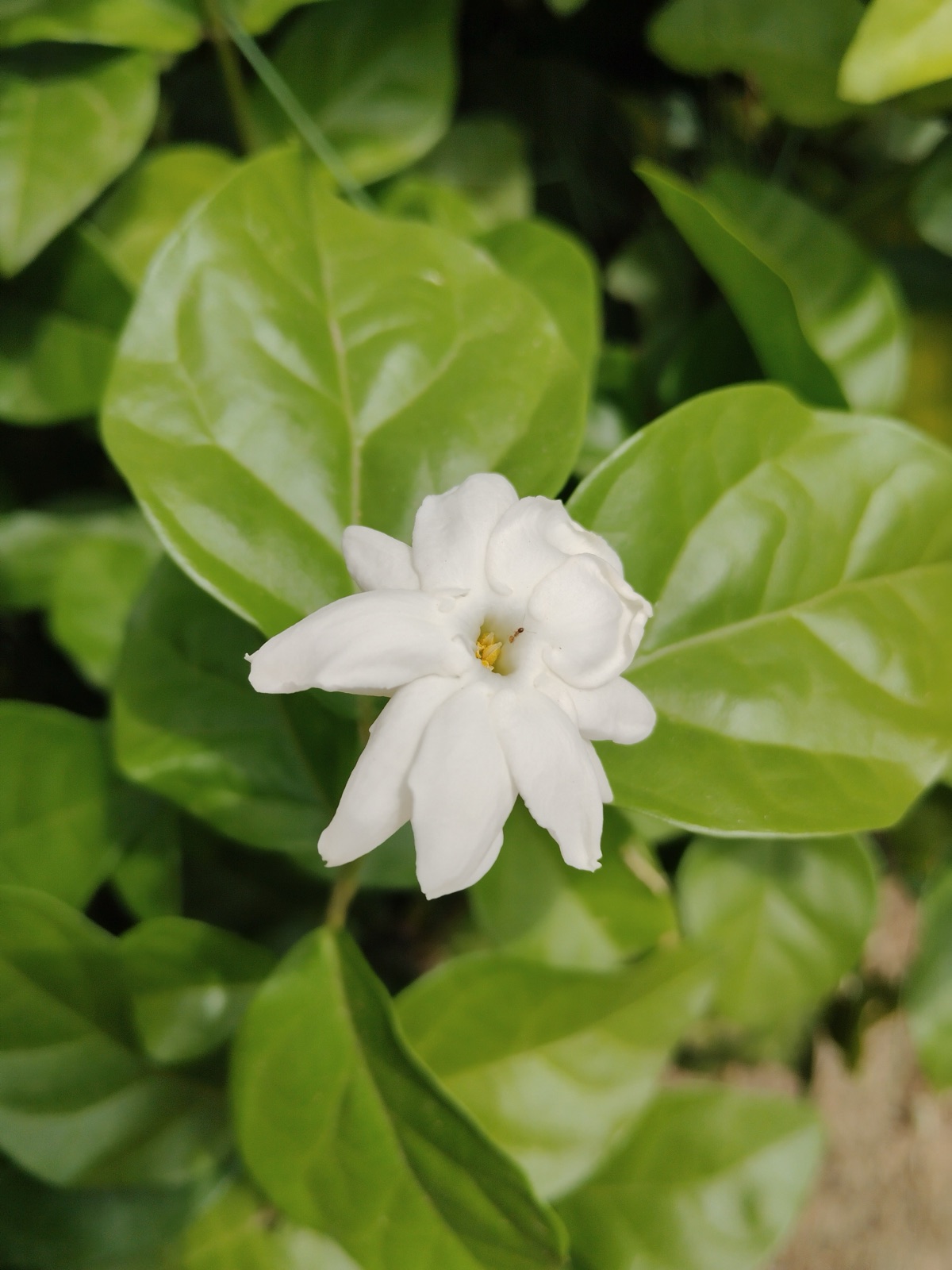
In Kham Mueang the jasmine flower is dok ba li ดอฯกบ่าฯลิ (Kham Mueang reading dok ba li). The dictionary says ba li บ่าฯลิ is jasmine, a shrub with white, coolly fragrant flowers; the single-petalled kind is called mali la and the double kind mali son.
This article belongs to the set World songs in Kham Mueang, within Kham Mueang through songs and literature. Unlike My Way, the old words of this song are in the public domain, so we can render every line in Kham Mueang. But we use the old words printed in 1804, not the modern revised lyrics heard today (the next sections explain why).
Where the jasmine song comes from
China Daily explains that the song's older name was Xianhua diao (鲜花调, "Fresh Flower Tune"), sung in Jiangsu and Zhejiang since the Ming and Qing dynasties. The oldest surviving words of the Fresh Flower Tune are in Zhui Bai Qiu (缀白裘), a collection of opera scenes printed in 1774. Wikipedia cites the music scholar Frederick Lau, who says jasmine lyrics go back to the Wanli era of the Ming dynasty (1573–1620). So the sources disagree on its age, but all agree it is several hundred years old.
The best-known first record in a Western language comes from John Barrow, an Englishman who went to China with Lord Macartney's embassy in 1792–1794. In Travels in China (1804), Barrow wrote that this song in praise of the "Moo-lee" flower "is one of the most popular songs in the whole country". The tune was taken down by Mr. Hittner (Johann Christian Hüttner, a member of the embassy), and Barrow printed two verses of the Chinese words in Roman letters with a literal translation. This article uses that text.
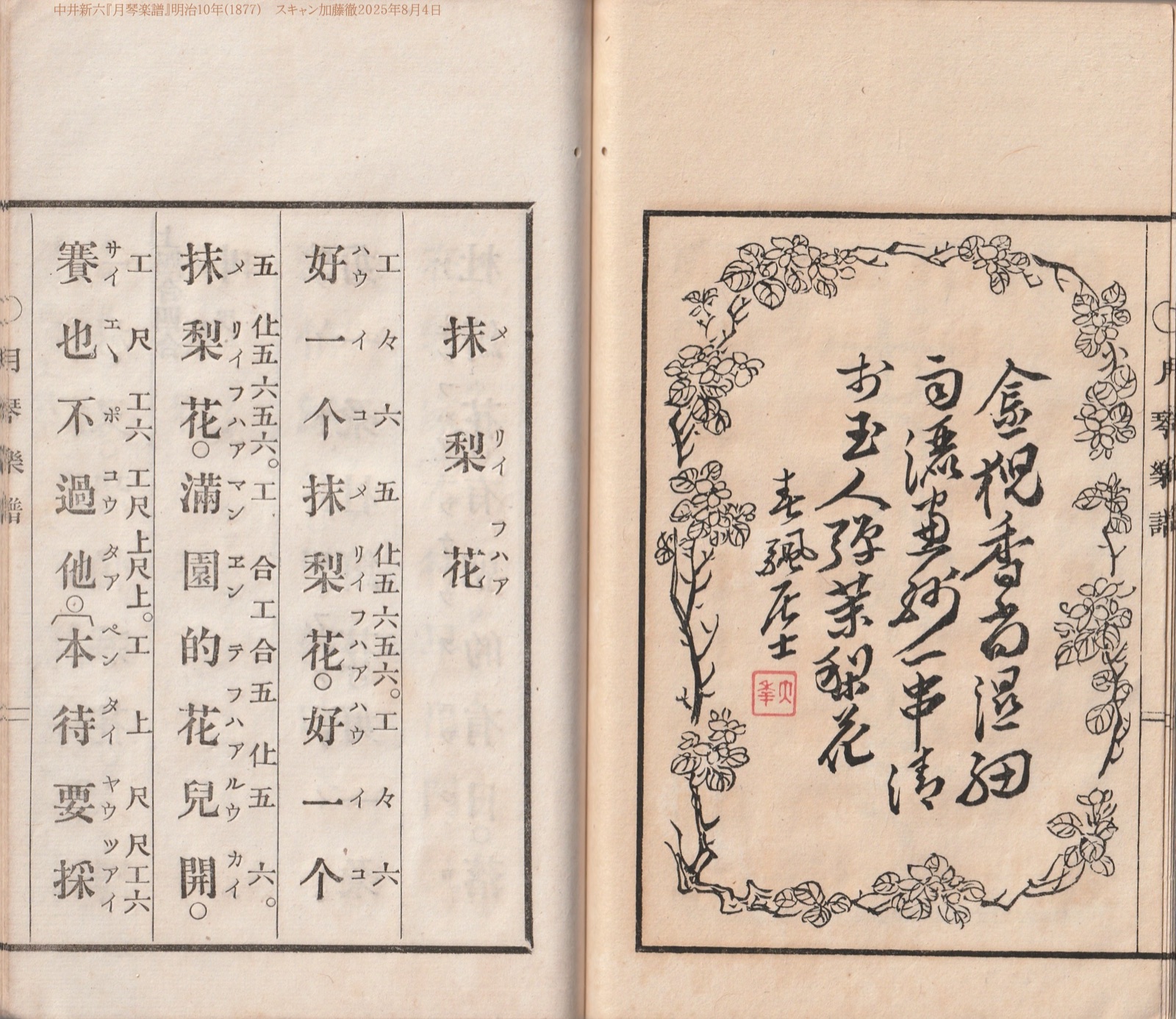
In China itself, the oldest score is in gongche notation (工尺谱) in the book Xiao Hui Ji (小蕙集). China Daily dates it to 1821, while some other sources give 1837. The song also reached Japan, appearing in a book of Chinese tunes for the gekkin moon lute in 1877 (pictured below), and Europe: China Daily and Wikipedia both say Giacomo Puccini used the tune in his opera Turandot, first performed at La Scala, Milan, on 25 April 1926.
The version sung today comes from He Fang
The jasmine song heard at big events today is the revised version by He Fang (何仿), a Chinese composer. China Daily and the newspaper Modern Express (现代快报) tell the same story: in the winter of 1942, He Fang, then only 14 and a member of a New Fourth Army drama troupe, heard a folk singer near Jinniu Mountain in Liuhe (now part of Nanjing) sing the Fresh Flower Tune. He learned it line by line and wrote down the tune. The old song had three verses praising three flowers: jasmine, honeysuckle (金银花) and rose (玫瑰花).
In 1957 He Fang rearranged it so the whole song is about jasmine, reworking both tune and words, and it was recorded and released that year. The song was later played at the handovers of Hong Kong (1997) and Macau (1999), at the closing ceremony of the 2004 Athens Olympics and at the medal ceremonies of the 2008 Beijing Olympics.
He Fang's lyrics are a modern work that may still be under copyright, so we do not use their wording. We render only the old words Barrow printed more than two hundred years ago.
Verse one: a flower falls into the house
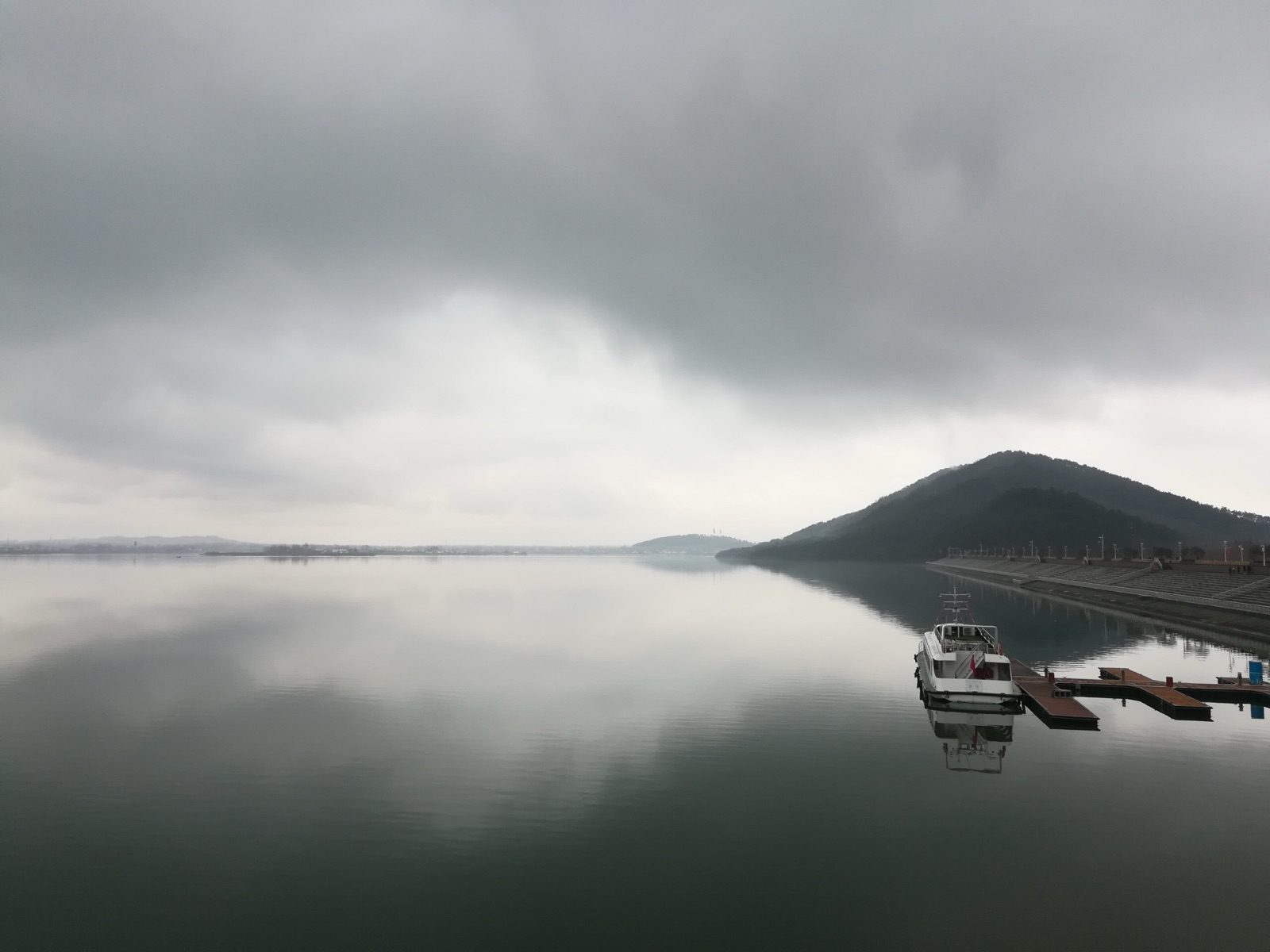
The first verse Barrow printed praises "fresh flowers" in general and does not yet name the jasmine. The singer says that one morning a lovely flower dropped into the house, and means to keep it indoors and enjoy it happily. Below are the Chinese words as Barrow spelled them, Barrow's own literal translation, and then our Kham Mueang.
The words as Barrow spelled them (1804):
Hau ye-to sien wha,
Yeu tchau yeu jie lo tsai go kia
Go pun tai, poo tchoo mun
Twee tcho sien wha ul lo.Barrow's literal translation:
How delightful this branch of fresh flowers
One morning one day it was dropped in my house
I the owner will wear it not out of doors
But I will hold the fresh flower and be happy.Kham Mueang rendering by MoradokLanna:
ดอกไม้ดอกนี้ งามแต๊ๆ
ยามเจ๊าวันหนึ่ง หล่นลงมาในเฮือนข้า
ข้าเป็นเจ้าของ จะบ่ใส่ออกไปนอกเฮือน
จะถือดอกไม้ไว้ แล้วก็ดีใจ๋
("this flower is truly lovely / one morning it fell into my house / I am its owner, I won't wear it outside the house / I will hold the flower and be glad")
The Kham Mueang words in this verse: dok mai ดอฯกไม้ (flower) and ngam งา (beautiful, pleasing). Northerners like to add tae แท้, which the dictionary glosses as genuine, true, so ngam tae tae means "truly lovely". Chao เชั้า is morning, wan วันฯ is day, and lon ห่฿ลฯร is to fall down, to drop (the dictionary notes tok as another form).
A house in Kham Mueang is usually huean เริอฯร. The pronoun "I" is kha ข้า, used by both women and men. Sai ไส่ means to put on, to wear; nok นอฯก means outside, beyond; thue ถึ means to hold; and di chai ดีไจ means pleased, glad, happy at heart.
Verse two: the finest jasmine in the garden
The second verse names the jasmine. The singer says that in a garden full of blooming flowers none is as lovely, and wants to pick one to wear in the hair, but fears that people who see it will be envious.
The words as Barrow spelled them:
Hau ye to Moo-lee-wha
Man yuen wha kai soy poo quee ta
Go pun tai tsai ye ta
Tai you kung kan wha jin ma.Barrow's literal translation:
How delightful this branch of the Moo-lee flower
In the full plot of flowers blowing freely none excels it
I the owner will wear this gathered branch
Wear it yet fear, the flower seen, men will envy.Kham Mueang rendering by MoradokLanna:
ดอกบ่าลิดอกนี้ งามแต๊ๆ
ดอกไม้บานเต็มสวน บ่มีดอกไหนงามเท่า
ข้าจะเด๋ดมาตายผม
ตายแล้วก็กั๋ว คนหันดอกไม้ แล้วจะขอย
("this jasmine is truly lovely / the garden is full of blooms, none as lovely / I will pick it to wear behind my ear / I wear it, yet fear: people will see the flower and be envious")
The words here: ban บาฯนฯ (to open out, to unfold, as a flower blooms), suan สวฯร (garden), han หันฯ, which in Kham Mueang means to see, and khon ฅ฿นฯ (person). For picking a flower the dictionary gives two words: det เดัดฯ (to pluck, to detach, e.g. to pick a flower) and hut รุด (to snap off, as when picking a flower).
Fear in Kham Mueang is kua ก฿ลฯวฯ (to dread, to be afraid) or yan อยฯานฯ (to fear, to be timid). The word closest to Barrow's "envy" is khoi ขอฯยฯ, which the dictionary glosses as envious: seeing others do well and being unhappy about it.
Tai and tai: tucking a flower, not dying
The most interesting word in this verse is tai ทาฯยฯ, which the dictionary defines as to tuck behind the ear, as one tucks a flower. So เด๋ดดอกบ่าลิมาตายผม in Kham Mueang means "pick a jasmine and tuck it in your hair". Phom ผ฿มฯ here is the hair on the head.
Take care: the Kham Mueang word for dying is tai ตายฯ (ต๋าย), which has a different tone. RTGS writes both as tai, so learners should listen to the tone. ตายดอกไม้ is a picture of beauty, nothing sad at all.
Kham Mueang rendering by MoradokLanna: เด๋ดดอกบ่าลิมาตายผม ("pick a jasmine and tuck it in your hair")
Hom, khao, ngam: praising the jasmine
The jasmine song praises the flower for three things: colour, scent and beauty. In Kham Mueang khao ขาวฯ is white, and also clean, pure. For hom หอฯม the dictionary gives several senses, from the onion family used in cooking to a sweet scent; as a describing word it means fragrant, as in a fragrant flower.
Kham Mueang rendering by MoradokLanna: ดอกบ่าลิ ขาวแล้วก็หอม งามแต๊ๆ ("jasmine, white and fragrant, truly lovely")
This sentence is our own praise of the jasmine in our own words, not a translation of any line of any version of the song.
Kham Mueang words from the verses
| Idea in the verses | Kham Mueang words | Dictionary meaning |
|---|---|---|
| Flowers and jasmine | dok mai ดอฯกไม้ · dok ba li ดอฯกบ่าฯลิ · ban บาฯนฯ | flower · jasmine flower · to open out |
| Beauty | ngam งา · tae แท้ · khao ขาวฯ · hom หอฯม | beautiful · genuine, true · white · fragrant |
| Time and place | chao เชั้า · huean เริอฯร · suan สวฯร | morning · house, dwelling · garden |
| Picking and wearing a flower | det เดัดฯ · hut รุด · tai ทาฯยฯ | to pluck · to snap off · to tuck behind the ear |
| Feelings | di chai ดีไจ · kua ก฿ลฯวฯ · khoi ขอฯยฯ | glad, happy at heart · to dread · envious |
All these renderings are our own wording built from dictionary words, not the one standard form. Northerners from different places may say the same idea with other words.
Compared with Lanna flowers: dok ba li at home
In the article Lanna flowers, dok ba li is one of dozens of Kham Mueang flower names collected from the dictionary. The Chinese song praises the jasmine as the loveliest in the garden, and Kham Mueang has many more flowers to praise, from dok ueang (orchids) and dok kwao to dok kham pu chu. Open that article alongside this one and practise praising flowers with the pattern "dok … ngam tae tae", using any flower you like.
The idea of tucking a flower in the hair works for every flower: tai (to tuck) goes with any flower. In the Chinese song the singer hesitates to wear the flower for fear of envy, a small feeling that people of every nation understand.
Summary
- Jasmine in Kham Mueang is dok ba li, and a common word of praise is ngam tae tae ("truly lovely").
- The jasmine song was once called the Fresh Flower Tune. John Barrow printed two verses in 1804; the version sung today is He Fang's 1957 revision.
- Det and hut mean to pick a flower, tai (ตาย) is to tuck a flower behind the ear, and tai (ต๋าย) is to die.
- Kua and yan mean to be afraid, and khoi means envious.
- The "Kham Mueang rendering by MoradokLanna" lines in this article come from Barrow's literal translation, not directly from the Chinese, and still await a check by native Kham Mueang speakers.
Look up the words in this article in the Moradok Lanna dictionary (in Thai). More in the same set: My Way · Lanna flowers, or see the whole set at Kham Mueang through songs and literature (in Thai).
Copyright and courtesy
| Item | Details |
|---|---|
| Song | Mo Li Hua (茉莉花, "Jasmine Flower"), earlier called Xianhua diao (鲜花调, "Fresh Flower Tune") |
| Words | Chinese folk song, author unknown (Chinese); the text used was printed by John Barrow, Travels in China (1804), with Barrow's literal translation |
| Music | Chinese folk tune, noted by J. C. Hüttner (spelled Hittner by Barrow) around 1793 |
| Best-known recording | He Fang's (何仿) revised version, 1957 |
| Status | Public domain: a traditional folk song, and John Barrow died in 1848 |
This article was made by Moradok Lanna, a non-profit website, for learning the Lanna language and culture. The original words are in the public domain, so we render every verse in Kham Mueang. Modern arrangements and recordings (e.g. He Fang's version) remain under copyright; we do not use their particular wording.
With thanks and respect to the songwriters, performers and rights holders. If a rights holder would like anything changed or removed, please write to moradoklanna@gmail.com and we will act promptly.
References
- Moradok Lanna Dictionary (dict2): dok ba li, ba li, dok mai, ngam, tae, chao, wan, lon, huean, kha, sai, nok, thue, di chai, ban, suan, det, hut, tai (to tuck), phom, kua, yan, han, khon, khoi, hom, khao, tai (to die).
- Barrow, J. (1804). Travels in China. London: Cadell and Davies. The air "Moo-lee-wha". Project Gutenberg edition
- 陈新光 (Chen Xinguang). (2026, 6 January). “茉莉花”:中国民歌的瑰宝 ["Mo Li Hua: a treasure of Chinese folk song"]. China Daily (in Chinese)
- 现代快报 (Modern Express). (2022, 12 May). 传唱名曲《茉莉花》,原来出自这里 ["So this is where the famous song Mo Li Hua came from"]. Tencent News (in Chinese)
- Wikipedia. Mo Li Hua (used as a lead and checked against other sources).
- Wikimedia Commons. Molihua1877.jpg (the 1877 book 月琴楽譜) and 1926-Turandot-copertina.jpg (date of the Turandot premiere)
- Moradok Lanna articles Lanna flowers and My Way.
Practise the words from this article
Flip through 30 flashcards of the Lanna words used in this article.
Look up "ดอกบ่าลิ" in the Moradok Lanna dictionary (in Thai)


