
Photo: K.Phothiwijit / Wikimedia Commons (CC BY-SA 3.0)
Meet the Tai: Yuan, Lue, Khuen, Tai Yai, Yong
Khon Tai (khon tai, ฅ฿นฯไท), "the Tai people", are the people of the Tai family. The Moradok Lanna dictionary lists six groups: the Tai Khuen (also Tai Khoen), the Tai Yai, the Tai Lue, the Tai Nuea, the Tai Yuan and the Tai Yong. All of them speak languages of the same family as Kham Mueang (Northern Thai), and several have lived in Lanna for many generations.
If you have heard someone in Chiang Mai say "this family is Lue" or "grandma is Yong", this post explains who each group is, what they call themselves, where they came from and where they live in Thailand today.
Tap each group on the map to see its homeland, where it lives in Thailand and its script, or pick two groups to compare.
Why Northerners Say "Tai", Not "Thai"
In the dictionary, khon tai is spelled letter by letter as [ฅนไท], with the letter ท. Kham Mueang reads that letter as a t sound, so it comes out as tai. It is the same sound rule that turns thang (way) into tang. Read more in Kham Mueang Sound Shifts.
Another fact worth knowing: the dictionary's first meaning for khon thai (khon thai, ฅ฿นฯไทยฯ) is "a person who speaks Central Thai", with a note that today it means a person of Thai nationality. Older people in Lanna used the word to set Central Thai speakers apart from Khon Mueang.
Tai Yuan: the Khon Mueang of Lanna
The Tai Yuan (tai yuan, ไทยวฯร) are the Tai people of the eight provinces of upper northern Thailand. The dictionary says they call themselves "Khon Mueang" (khon mueang, ฅ฿นฯล้านฯนาฯ): people born in Lanna who speak the Lanna language. Other names it gives are Khon Thai Lanna (khon thai lanna, ฅ฿นฯไทยฯล้านฯนาฯ) and Khon Lanna.
Their language is kam mueang (kam mueang, คำฯเมิอฯง), officially called the Phayap dialect or Northern Thai. It has both a spoken form and a written one, tua mueang (tua mueang, ต฿วฯเมิอฯง), the Tham Lanna script long used for palm-leaf scriptures and folded phap sa books.
The Khon Mueang homeland is the eight Lanna provinces: Chiang Mai, Chiang Rai, Lamphun, Phayao, Mae Hong Son, Lampang, Phrae and Nan. See their Kham Mueang names and mottos in The Eight Lanna Provinces.
Tai Lue: People from Sipsong Panna
The jao tai lue (jao tai lue, ชาวฯไทลื้), the Tai Lue, are a people from Sipsong Panna in the People's Republic of China. The dictionary records that the Lue have their own spoken and written language. The spoken language is called kam lue (kam lue, คำฯลื้).
In Thailand, the dictionary says, Lue live in several districts of Nan and in San Pa Tong and Doi Saket in Chiang Mai. Doi Saket has the villages of Luang Tai and Luang Nuea (luang tai, luang nuea, ลวฯงไต้), whose ancestors came from Sipsong Panna.
In Nan, a study from the Nakhon Nan Buddhist College (2022) relates, following the Nan chronicle, that Lue came to Nan about 200 years ago, some through war and some by choice. Later, Lue families were moved to settle in Thung Chang and Pua. The Lue of Ban Nong Bua in Tha Wang Pha say their ancestors came from Mueang La in Sipsong Panna. Wat Nong Bua, in the photo at the top of this post, is that community's temple.
The Lue are famous for their beautifully patterned woven cloth. Read the Kham Mueang words for cloth and weaving in Lanna Cloth and Clothing Words.
Tai Khuen: People of the Khuen River, Kengtung
The word khoen (khoen, เขินฯ) in the dictionary refers to the Tai of Kengtung, called Tai Khoen or Tai Khuen. The name comes from the Khuen River (written two ways in Thai letters), which flows through Kengtung from south to north.
The khon tai khuen (khon tai khuen, ฅ฿นฯไทขึนฯ) live on the plain of the Khuen River at Kengtung, Shan State, Myanmar. The dictionary says their speech and script are similar to those of the Lanna people. Their spoken language is called kam khuen (kam khuen, คำฯขึนฯ).
Jiang Tung (jiang tung, ชยฯงตุง), that is Kengtung, is called Keng Tung by the Khuen and the Lue. The dictionary says the Tai of Kengtung form three groups: Tai Khuen, Tai Yai and Tai Nuea. Their three languages differ only a little and are mutually intelligible. Khuen is the most used in the town, but today it is taught only in temples.
In Thailand, the best-known Khuen community is Ban Nantharam in Chiang Mai, home of khueang khoen (khueang khoen, เระฯคิอฯงเขินฯ), the lacquerware named after the Khuen. Read more in Khruang Khoen: Lanna Lacquerware. In Nan, a study by Pinnarat Akharawatthanakun (2014) found that Khuen there has Lue-like consonants and vowels but a tone system like Kham Mueang, after long close contact.
Tai: the Tai Yai (Shan)
The Tai Yai call themselves Tai (tai, ไท). The dictionary says plainly that Thai and Lao people call this group "ngiao" (or ngeo, ง้ยฯว), but the Tai Yai call themselves "Tai". This post therefore uses Tai or Tai Yai.
The dictionary says the Tai live in Thailand, Myanmar, Laos and southern China; in Thailand they are found in Chiang Mai, Chiang Rai, Mae Hong Son and Phetchabun, and their cultural roots, such as their speech, are close to those of the Lanna people. A study of the Tai Yai community of Ban Wiang Wai in Fang (CITU journal) found that, of the vocabulary studied, 836 words were native Tai Yai, 733 were borrowed from Northern Thai and 302 from Standard Thai. The two languages have borrowed from each other a great deal.
Several Kham Mueang words come from Tai life, for example:
| Kham Mueang | Lanna script | Meaning in the dictionary |
|---|---|---|
| sang long | ส่างฯลอฯง | a Tai Yai boy about to be ordained, usually dressed as a prince |
| kong pu je | กลฯอฯงปู่เจ่ | the Tai Yai one-headed drum slung from the shoulder, the "long-bottomed drum" |
| khao kan jin | เขั้าคั้นฯชิ้นฯ | a Tai Yai dish of rice mixed with meat and blood, wrapped in banana leaf and steamed |
Read about the Tai novice ordination in Poy Sang Long.
Tai Yong: from Mueang Yong to Lamphun
The word yong (yong, ยอฯง) has three meanings in the dictionary: the town of Mueang Yong in Shan State, the Yong people descended from ancestors who came from Mueang Yong, and the Yong language. The Yong spoken language is called kam yong (kam yong, คำฯยอฯง), found in Mueang, Pa Sang and Ban Thi districts of Lamphun and in Buak Khang subdistrict, San Kamphaeng, Chiang Mai.
A study from the Lamphun Buddhist College (2026) says the great move from Mueang Yong happened in 1805. Today the Yong are the majority in Lamphun, and the same study groups their language with Lue. Read more about the Yong of Lamphun in La Pun: Lamphun.
Tai Nuea: the Group We Know Least About
The Tai Nuea are one of the six groups the dictionary counts under khon tai. Under jiang tung the dictionary says the Tai Nuea are one of the three Tai groups of Kengtung, with their own spoken and written language, mutually intelligible with Tai Khuen and Tai Yai.
Beyond this, the dictionary gives no other details about the Tai Nuea, so we do not write about a homeland or history we cannot yet verify. We will add more when we have reliable sources.
Why So Many Tai Groups Live in Lanna
Part of the answer lies in the saying kep phak sai sa, kep kha sai mueang (kep phak sai sa kep kha sai mueang, "gather vegetables into the basket, gather people into the city", เกัปฯผักฯไส่ซ้าเกัปฯข้าไส่เมิอฯง). The dictionary explains it as the era of Phraya Kawila, the first ruler of Chiang Mai, around 1780, who gathered people back into Chiang Mai after it had been left empty by war and brought Tai Lue, Tai Khuen and Tai Yai from Sipsong Panna and Kengtung to settle there.
These people did not only come to live: they brought their languages, crafts and customs with them, which is why Lanna today has so many accents. Read about this era in King Kawila.
All Six Groups in One Table
| Group | Own name | Homeland | Found in Thailand (per our sources) | Writing |
|---|---|---|---|---|
| Tai Yuan | Khon Mueang | Lanna | the 8 upper northern provinces | tua mueang (Tham Lanna script) |
| Tai Lue | Lue, Tai Lue | Sipsong Panna (China) | Nan, San Pa Tong, Doi Saket | their own |
| Tai Khuen | Tai Khuen, Tai Khoen | Kengtung (Shan State) | Chiang Mai (Nantharam), Nan | similar to tua mueang |
| Tai Yai | Tai | Thailand, Myanmar, Laos and southern China | Chiang Mai, Chiang Rai, Mae Hong Son, Phetchabun | their own |
| Tai Yong | Yong | Mueang Yong (Shan State) | Lamphun; Buak Khang, Chiang Mai | (not stated in the dictionary) |
| Tai Nuea | Tai Nuea | one of the three groups of Kengtung | (not stated in the dictionary) | their own |
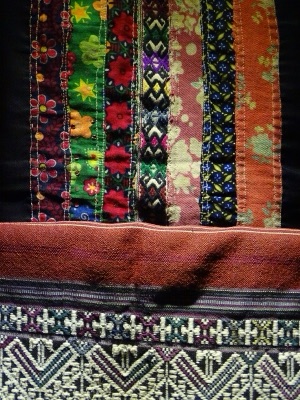
Photo: Adam Jones / Wikimedia Commons (CC BY-SA 2.0)
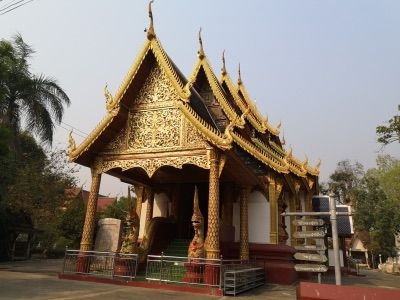
Photo: Dharmadana / Wikimedia Commons (CC BY 4.0)
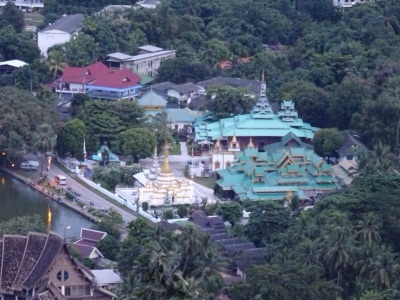
Photo: Christophe95 / Wikimedia Commons (CC BY-SA 4.0)
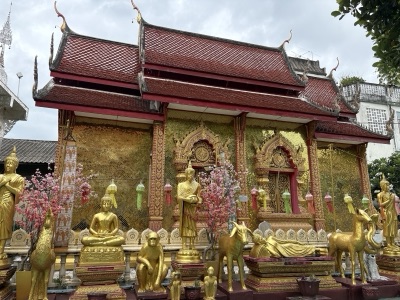
Photo: Chainwit. / Wikimedia Commons (CC BY 4.0)
Summary
- The dictionary counts six Tai groups: Tai Yuan, Tai Lue, Tai Khuen, Tai Yai, Tai Yong and Tai Nuea. Northerners say tai for "Thai" because of the sound rule that turns th into t.
- The Tai Yuan call themselves Khon Mueang, speak kam mueang and write tua mueang.
- The Tai Yai call themselves Tai; "ngiao" is an outsiders' name.
- The Lue came from Sipsong Panna, the Khuen from Kengtung and the Yong from Mueang Yong; many settled in Lanna in the era of kep phak sai sa, kep kha sai mueang.
- Today many Lue live in Nan, the Khuen at Nantharam in Chiang Mai, and the Yong are the majority in Lamphun.
Look up more words for peoples and languages in the Moradok Lanna dictionary, and read on about the man who rebuilt Lanna in King Kawila.
Sources
- Moradok Lanna dictionary: คนไต · ไต · ไตยวน · กำเมือง · จาวไตลื้อ · กำลื้อ · คนไตขึน · เจียงตุ๋ง · ยอง · กำยอง
- กชพรรณ จันทรา, พระชยานันทมุนี และโสภณ บัวจันทร์. (2022). การดำเนินชีวิตตามแนวพระพุทธศาสนาของกลุ่มชาติพันธุ์ไทลื้อบ้านหนองบัว ตำบลป่าคา อำเภอท่าวังผา จังหวัดน่าน [Way of Life Based on Buddhism of the Tai Lue of Ban Nong Bua, Tha Wang Pha, Nan]. Journal of MCU Haripunchai Review 6(2)
- พระครูอรัญชัยธัช (ธวัชชัย ธนวํโส), ไพรินทร์ ณ วันนา และพระครูโกวิทอรรถวาที. (2026). ระบบคุณค่าและการสร้างอัตลักษณ์ทางพระพุทธศาสนาของชาวไทยองในจังหวัดลำพูน [Values and Buddhist identity of the Tai Yong in Lamphun]. Panya Journal 33(2)
- พิณรัตน์ อัครวัฒนากุล. (2014). การเปรียบเทียบคำศัพท์และเสียงในภาษาขึนและภาษาไทถิ่นภาษาอื่น ๆ ที่พูดในจังหวัดน่าน [A comparison of words and sounds in Khuen and other Tai languages spoken in Nan]. Journal of Letters 43(2)
- คำยืมภาษาไทยเหนือและภาษาไทยมาตรฐานของผู้พูดภาษาไทใหญ่ในชุมชนบ้านเวียงหวาย อำเภอฝาง [Northern Thai and Standard Thai loanwords among Tai Yai speakers of Ban Wiang Wai, Fang]. CITU Journal
- All photos from Wikimedia Commons, as credited under each image
Practise the words from this article
Flip through 23 flashcards of the Lanna words used in this article.


