
Photo: Takeaway / Wikimedia Commons (CC BY-SA 3.0)
The 8 Lanna Provinces: Names, Mottos and Trees
The eight Lanna provinces are Chiang Mai, Lamphun, Lampang, Chiang Rai, Phayao, Phrae, Nan and Mae Hong Son. The dictionary explains that Lanna (lan na, ล้านฯนาฯ) once meant a group of cities in upper northern Thailand, together with parts of today's Myanmar, China and Laos, with Chiang Mai as its capital. Today it means these eight northern provinces.
Each province has a Kham Mueang name, an older name, a motto, and a provincial tree that northerners call by a different name from central Thai. This post gathers them all from the Moradok Lanna dictionary in one place, useful whether you are learning Kham Mueang or planning a trip to the north.
What are the 8 Lanna provinces called in Kham Mueang?
In Kham Mueang a city is jiang (jiang, ชยฯง), the same word as central Thai chiang. So Chiang Mai becomes Jiang Mai and Chiang Rai becomes Jiang Hai. A small town, or a town inside a wall, is a wiang (wiang, วยฯง).
| Province | Kham Mueang | Lanna script | Provincial tree (Kham Mueang name) |
|---|---|---|---|
| Chiang Mai | Jiang Mai | ชยฯงไห่มฯ | flame of the forest (kwao) |
| Lamphun | La Pun | หลฯะพูร | rain tree (mai sam sa) |
| Lampang | Lampang | ลำพางฯ | Indian elm (kha jao) |
| Chiang Rai | Jiang Hai | ชยฯงรายฯ | tree jasmine (ka sa long kham) |
| Phayao | Phayao | พะเยัา | saraphi (dok sa la pi) |
| Phrae | Pae, Mueang Pae | เมิอฯงแระฯพ่ | Chittagong wood (yom khao) |
| Nan | Mueang Nan | เมิอฯงนาฯ่นฯ | Indian birch (kamlang suea khrong) |
| Mae Hong Son | Mae Hong Son | แม่ฮ่อฯงสอฯร | kraphi chan (pi jan) |
Chiang Mai: Jiang Mai, the capital of Lanna
Jiang Mai (jiang mai, ชยฯงไห่มฯ) was founded in 1296 CE as the capital of the Lanna kingdom by King Mangrai (mang lai, มังฯรายฯ), the first king of the Mangrai dynasty. Read his story in King Mangrai and the city's legends in The Chiang Mai Chronicle. The people of Chiang Mai are jao Jiang Mai (ชาวฯชยฯงไห่มฯ).
Motto: "Doi Suthep is its glory, its traditions its grace, its flowers a delight to see, a priceless name: Nakhon Ping."
The provincial tree is the flame of the forest, which northerners call kwao (kwao, กวฯาวฯ); its flower is dok kwao (ดอฯกกวฯาวฯ). The flowers come in orange or yellow, shaped like pea flowers, with a soft, velvety down.
Chiang Mai has another important tree, the mai mai mueang Jiang Mai (ไม้หมฯายฯเมิอฯงชยฯงไห่มฯ). The dictionary describes it as a great yang na tree planted by Phra Chao Kawila near the city pillar (Inthakhin) at Wat Chedi Luang, in the middle of the old city. A mai mai mueang (ไม้หมฯายฯเมิอฯง) is a big tree that marks where a city stands and can be seen from far away.
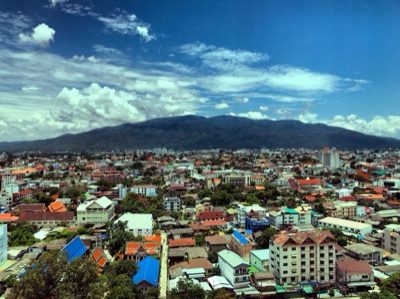
Photo: Blowing Puffer Fish / Wikimedia Commons (CC BY 2.0)
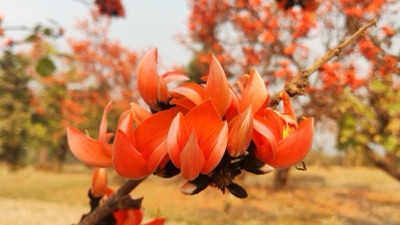
Photo: SMarndi / Wikimedia Commons (CC BY-SA 4.0)
Lamphun: La Pun, Queen Chamadevi's old city
La Pun (la pun, หลฯะพูร) was once called Hariphunchai, an ancient city. The dictionary records it as the smallest province in the north. Read about Queen Chamadevi, who ruled Hariphunchai, in Queen Chamadevi.
Motto: "A splendid relic stupa, powerful Phra Rot amulets, famous longan, good garlic, fine traditions, Chamadevi of glorious Hariphunchai."
The provincial tree is the rain tree, which northerners call mai sam sa (mai sam sa, ไม้สำสา), a large tree that spreads its branches like an umbrella. As for the longan (lam yai, ลำไย) in the motto, the dictionary calls it a cash crop of Chiang Mai and Lamphun.
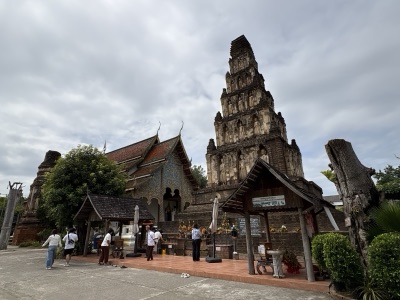
Photo: Chainwit. / Wikimedia Commons (CC BY 4.0)
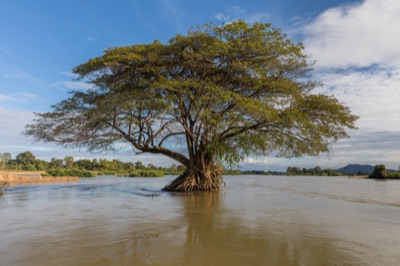
Photo: Basile Morin / Wikimedia Commons (CC BY-SA 4.0)
Lampang: the city of horse carriages
Lampang (lampang, ลำพางฯ), the dictionary records, was built in 1223 BE (680 CE) at the same time as Hariphunchai and named Khelang Nakhon, later Nakhon Lampang; it became a province under King Rama V.
The city's symbol is the horse carriage (rot ma, ร฿ถฯม้า). The dictionary says carriages became important from 1915 CE, when the railway reached Lampang and they carried passengers from the station into town. Today they take visitors around the city.
Motto: "Famous coal, renowned horse carriages, celebrated pottery, a relic stupa admired far and wide, elephant training known worldwide."
The provincial tree is the Indian elm, which northerners call kha jao (kha jao, ขะชาวฯ): a tall, straight-trunked tree with flat, thinly winged fruit.
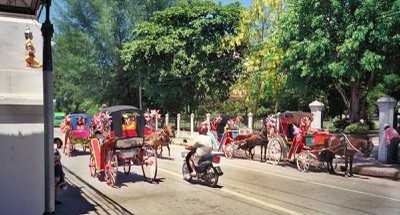
Photo: Heinrich Damm / Wikimedia Commons (CC BY-SA 3.0)
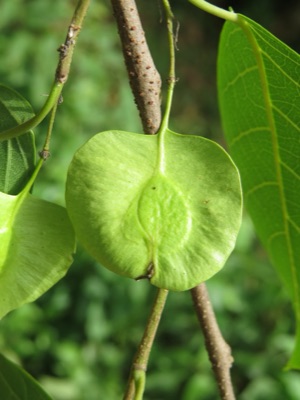
Photo: Vinayaraj / Wikimedia Commons (CC BY-SA 4.0)
Chiang Rai: Jiang Hai, the northernmost point of Siam
Jiang Hai (jiang hai, ชยฯงรายฯ) was founded by King Mangrai in 1262 CE, before he built Chiang Mai. Today it is Thailand's northernmost province; the border crossing on the bridge over the Mae Sai river, in Mae Sai district, links to Tachileik in Shan State.
Motto: "Northernmost in Siam, border of three lands, home of Lanna culture, the precious relic of Doi Tung."
The provincial tree is the tree jasmine, which northerners call ka sa long kham (ka sa long kham, กาสะลอฯงฅำ). Its long tubular flowers are orange-yellow and grow in small clusters along the branches. The name is close to dok ka sa long (ดอฯกกาสลอฯง), the Indian cork tree. See more Kham Mueang flower names in Lanna Flowers.
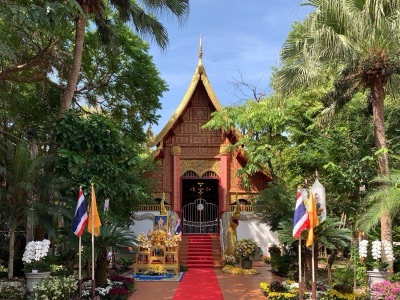
Photo: Chainwit. / Wikimedia Commons (CC BY-SA 4.0)
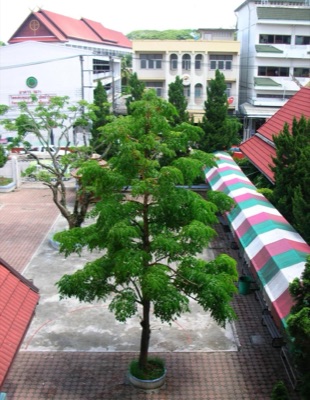
Photo: Xufanc / Wikimedia Commons (CC BY-SA 3.0)
Phayao: Kwan Phayao, the source of life
Phayao (phayao, พะเยัา) stands on the site of the old city of Phayao, founded, the dictionary says, in the 16th Buddhist century. Phayao district, once part of Chiang Rai, became a province in 1977 CE, the 72nd province of Thailand, which makes it the youngest of the Lanna provinces.
Its heart is Kwan Phayao (kwan phayao, ค้วฯาฯนฯพะเยัา), the largest freshwater lake in the north, covering 12,831 rai (about 20 square kilometres). It is rich in fish, which is why Phayao is known for its sour fermented fish, pla som.
Motto: "Kwan Phayao, source of life; the sacred Phra Chao Ton Luang; offerings to Pho Khun Ngam Mueang; the far-famed beauty of Doi Butsarakham."
The provincial tree is the saraphi, which northerners call dok sa la pi (dok sa la pi, ดอฯกสาหลฯะพี), a flowering tree with a dense crown.
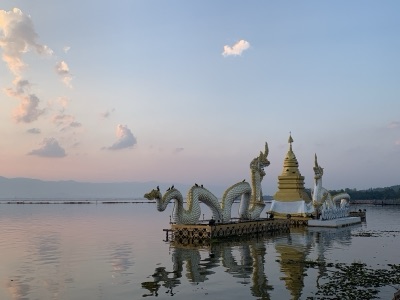
Photo: Chainwit. / Wikimedia Commons (CC BY-SA 4.0)
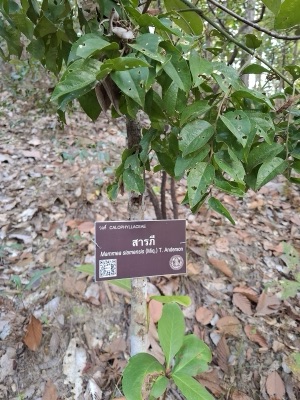
Photo: Lannafolium / Wikimedia Commons (CC0)
Phrae: Mueang Pae, home of mo hom cloth
Mueang Pae (mueang pae, เมิอฯงแระฯพ่), or simply Pae, was once called Wiang Kosai. The dictionary notes that no record says when it was founded; historians rely on other cities' sources such as the Yonok chronicle, northern chronicles and the inscription of King Ramkhamhaeng.
Phrae is famous for mo hom cloth (pha mo hom, ผ้าหํมฯอฯห้อฯม), cotton dyed deep blue with the leaves of the hom plant. See more in Kham Mueang Colour Words and Lanna Cloth and Clothing Words.
Motto: "Mo hom cloth and teak, land of Phra Lo's love, Cho Hae the city's glory, the famed Phae Mueang Phi, and the good-hearted people of Phrae."
The provincial tree is the Chittagong wood, which northerners call yom khao (yom khao, ย฿มฯขาวฯ), a tall tree with a straight trunk.
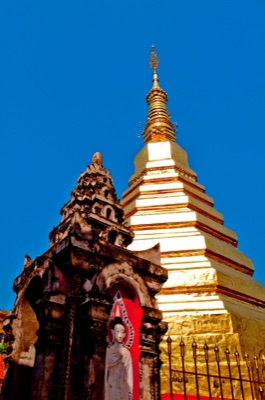
Photo: Arts of Chet / Wikimedia Commons (CC BY-SA 4.0)
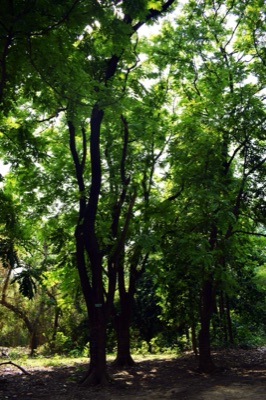
Photo: Dolon Prova / Wikimedia Commons (CC BY-SA 4.0)
Nan: Mueang Nan, a city of many peoples
Mueang Nan (mueang nan, เมิอฯงนาฯ่นฯ) is a small province, mostly mountains. The dictionary records many peoples living there together: Hmong, Mien, Khmu, Mlabri, Lahu, Tai Lue, Tai Phuan and Tai Yuan (khon mueang). The Nan river, about 740 km long, is the longest of the Chao Phraya's headwaters.
Motto: "Famous boat races, land of the black-tusked elephant, the murals of Wat Phumin, home of the golden orange, the shining Phra That Chae Haeng."
The provincial tree is the kamlang suea khrong (กำลังฯเสิอฯอโระฯค่฿งฯ), Indian birch: a tree 20–35 m tall whose bark smells like camphor and, as it ages, peels away in thin, paper-like layers.
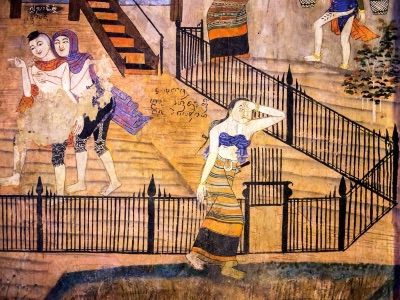
Photo: Takeaway / Wikimedia Commons (CC BY-SA 3.0)
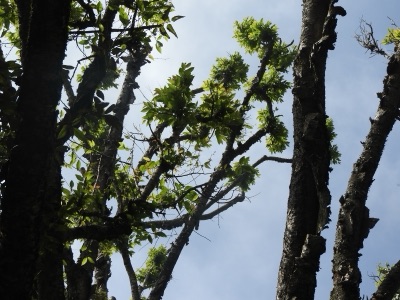
Photo: Yercaud-elango / Wikimedia Commons (CC BY-SA 4.0)
Mae Hong Son: the city of three mists
Mae Hong Son (mae hong son, แม่ฮ่อฯงสอฯร) was established as a town in 1874 CE by Phra Chao Inthawichayanon, ruler of Chiang Mai. It is called the "city of three mists" because of its high, folded mountains, mist for most of the year and its many ethnic groups. Read about a great Tai Yai festival here in Poy Sang Long.
Motto: "Mist in three seasons, Kong Mu stupa touching the sky, green forests, good people, fine traditions, famed land of the bua tong flower."
The bua tong (bua tong, บ฿วฯทอฯง) in the motto, the dictionary says, grows thickly on Doi Mae U Kho and blooms from November to December. The provincial tree is the kraphi chan, which northerners call pi jan (pi jan, พี้จั่นฯ), with dark pinkish-purple pea-shaped flowers.
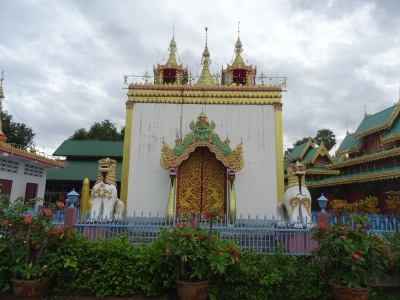
Photo: Christophe95 / Wikimedia Commons (CC BY-SA 4.0)
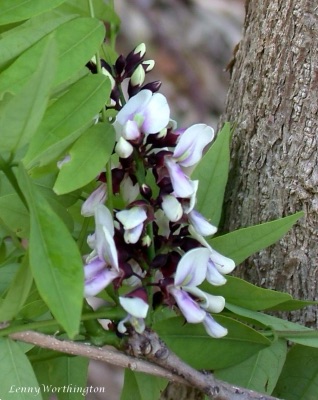
Photo: Len Worthington / Wikimedia Commons (CC BY-SA 2.0)
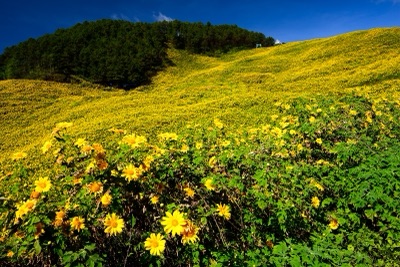
Photo: Warahemato / Wikimedia Commons (CC BY-SA 4.0)
The provincial trees of the 8 provinces in Kham Mueang
| Province | Provincial tree | Kham Mueang name |
|---|---|---|
| Chiang Mai | flame of the forest (thong kwao) | kwao, dok kwao |
| Lamphun | rain tree (chamchuri) | mai sam sa |
| Lampang | Indian elm (krachao) | kha jao |
| Chiang Rai | tree jasmine (pip thong) | ka sa long kham |
| Phayao | saraphi | dok sa la pi |
| Phrae | Chittagong wood (yom hin) | yom khao |
| Nan | Indian birch | kamlang suea khrong |
| Mae Hong Son | kraphi chan | pi jan |
Summary
- The eight Lanna provinces are Chiang Mai, Lamphun, Lampang, Chiang Rai, Phayao, Phrae, Nan and Mae Hong Son.
- A city is jiang in Kham Mueang, so Chiang Mai is Jiang Mai, Chiang Rai is Jiang Hai, Lamphun is La Pun and Phrae is Mueang Pae.
- Many provincial trees have their own Kham Mueang names: dok kwao, mai sam sa, kha jao, ka sa long kham, dok sa la pi, yom khao and pi jan.
- Phayao, a province only since 1977, is the youngest; Mae Hong Son is the "city of three mists".
Look up more place and tree names in the Moradok Lanna dictionary, and read about big trees in Kham Mueang in Kham Mueang Trees and Bamboo.
Sources
- Moradok Lanna dictionary: ล้านนา · เจียงใหม่ · หละปูน · ลำปาง · เจียงฮาย · พะเยา · เมืองแป้ · เมืองน่าน · แม่ฮ่องสอน
- TrueID ท่องเที่ยว. คำขวัญจังหวัดลำพูน [Lamphun's provincial motto] (used to check the wording of Lamphun's motto)
- All photos from Wikimedia Commons, credited under each image


