
Photo: Takeaway / Wikimedia Commons (CC BY-SA 3.0)
Luk Khao Nueng: Kham Mueang from a Jaran Manopetch Song
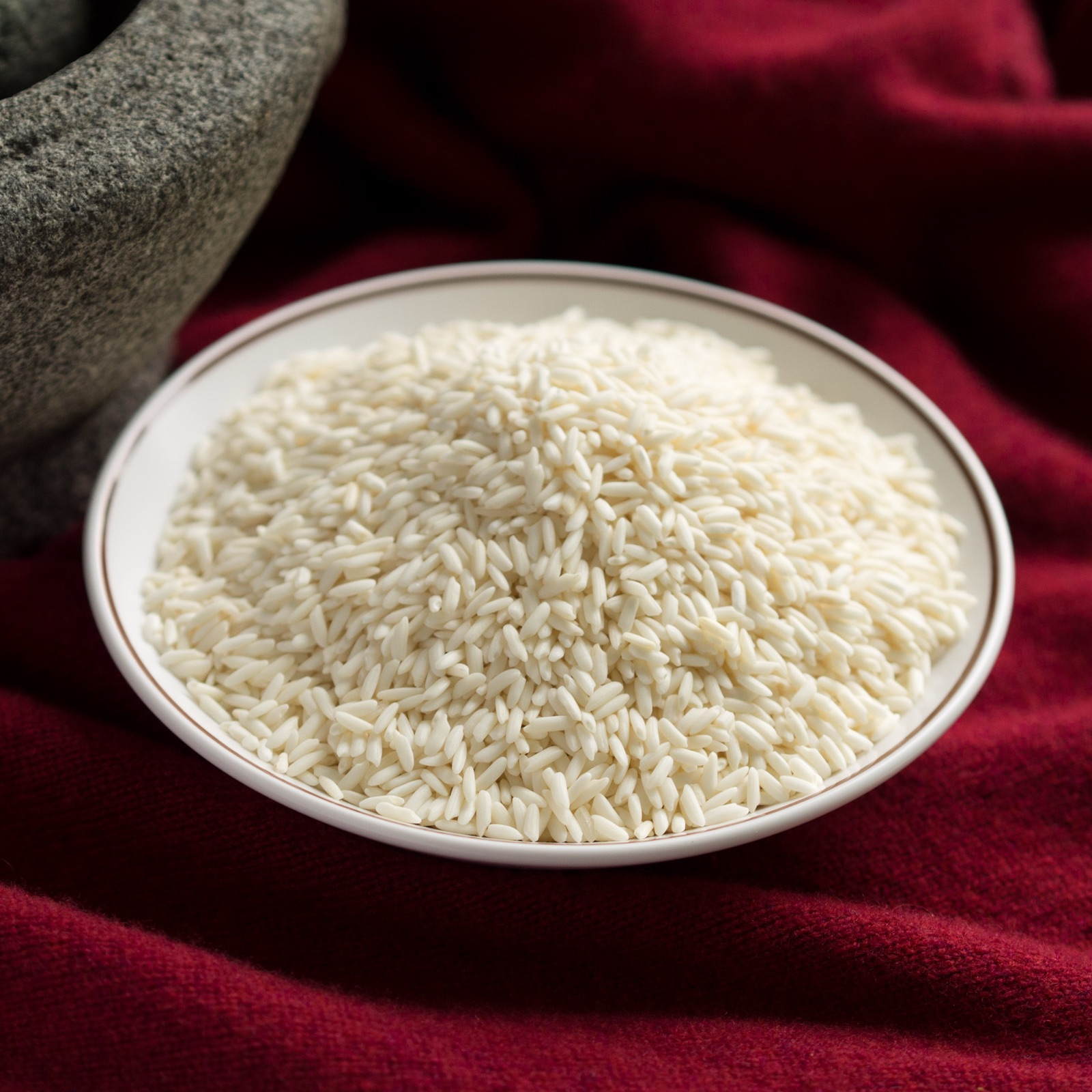
Luk Khao Nueng ("Child of Steamed Rice") is a Kham Mueang (Northern Thai) folk song by Jaran Manopetch that tells about the Khon Mueang through a plate of rice. It asks who eats bread, who eats corn, and what the Khon Mueang eat. The answer is khao nueng (steamed rice), which the Kham Mueang dictionary gives as khao nueng (เขั้าหึ้นฯง, Kham Mueang reading khao nueng): the steamed sticky rice that every Khon Mueang household eats.
This article is part of the series Kham Mueang through songs and literature. We do not print the whole song; we pick out short lines and the words worth knowing and explain their meaning and sound. You can hear the full song in the official video below.
The song Luk Khao Nueng: where it comes from and the album
Jaran Manopetch wrote this song. Wikipedia lists Luk Khao Nueng as the first track on the album Folk Song Kham Mueang: Luk Khao Nueng (1981) and again on the album Jaran and Candle: Euang Phueng–Chan Pha (1984). Sunthon Khamyot (2016) also cites the song as "Luk Khao Nueng, 1981", which agrees.

Video from the official channel of the Nititad AOA Official label, which says the song is by Jaran Manopetch, on the album "Folk Song Kham Mueang". The video description does not include the lyrics, so we checked the words against three places, two lyric websites and Sunthon Khamyot's study, and cite only the lines on which they agree.
Khao nueng: sticky-rice words in the dictionary
The title is written the central Thai way, "ข้าวนึ่ง", but Kham Mueang says khao nueng because the Khon Mueang say ข้าว (rice) as เข้า (เขั้า, khao), and say นึ่ง (to steam) as หนึ้ง (หึ้นฯง, nueng).
| Word | Reading | Meaning in the dictionary |
|---|---|---|
| khao เขั้า | khao | rice; the Lanna people pronounce the word for rice as khao |
| khao nueng เขั้าหึ้นฯง | khao nueng | steamed rice, steamed sticky rice: rice from glutinous rice that has been soaked and steamed until cooked |
| ma khao ห่มฯาเขั้า | ma khao | to soak glutinous rice to soften it before steaming |
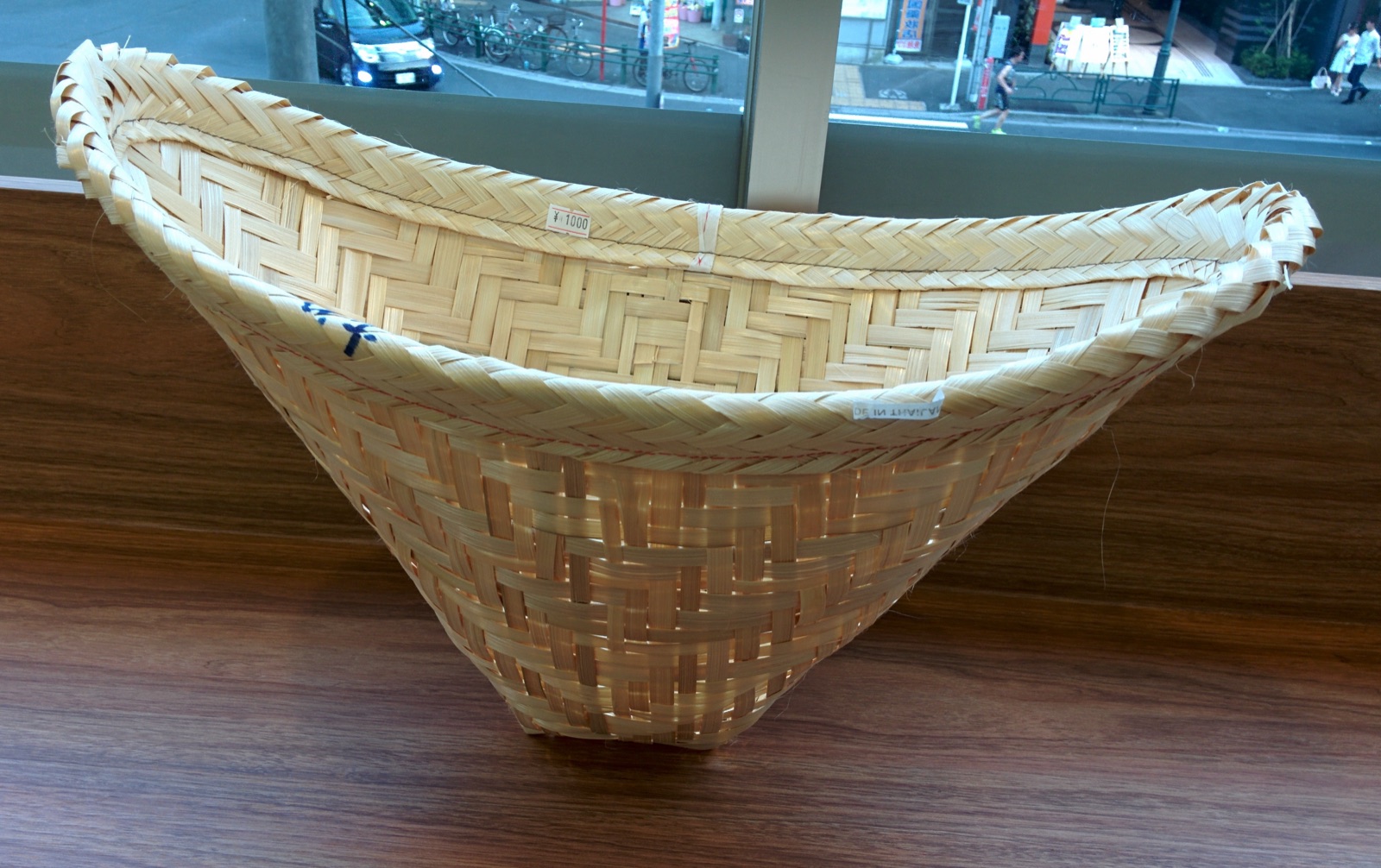
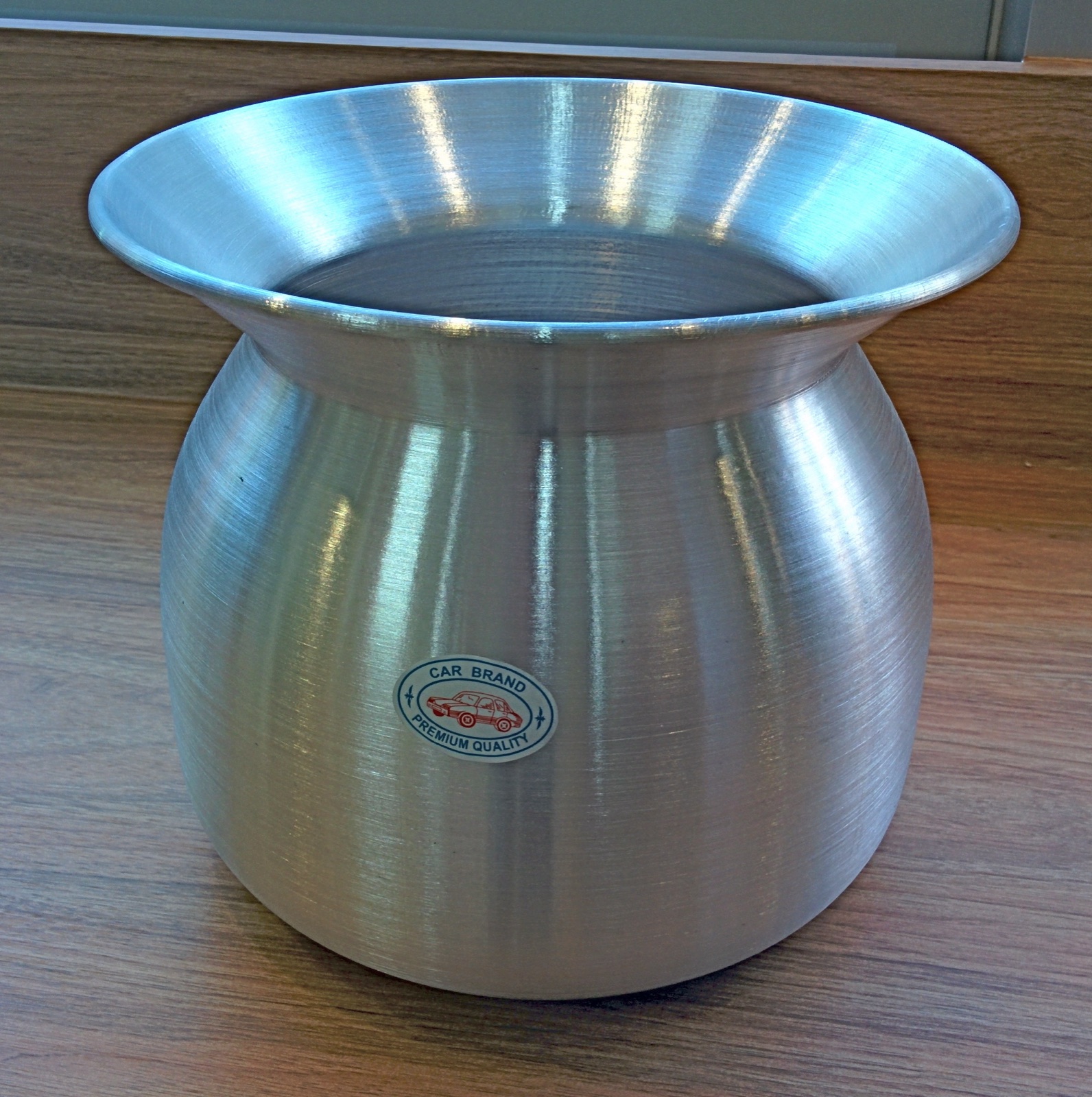
| nueng khao หึ้นฯงเขั้า | nueng khao | to steam sticky rice, to cook glutinous rice by steaming |
| hai khao ไหเขั้า | hai khao | a cylindrical wooden vessel with a base pierced by small holes so steam can pass, used to steam sticky rice |
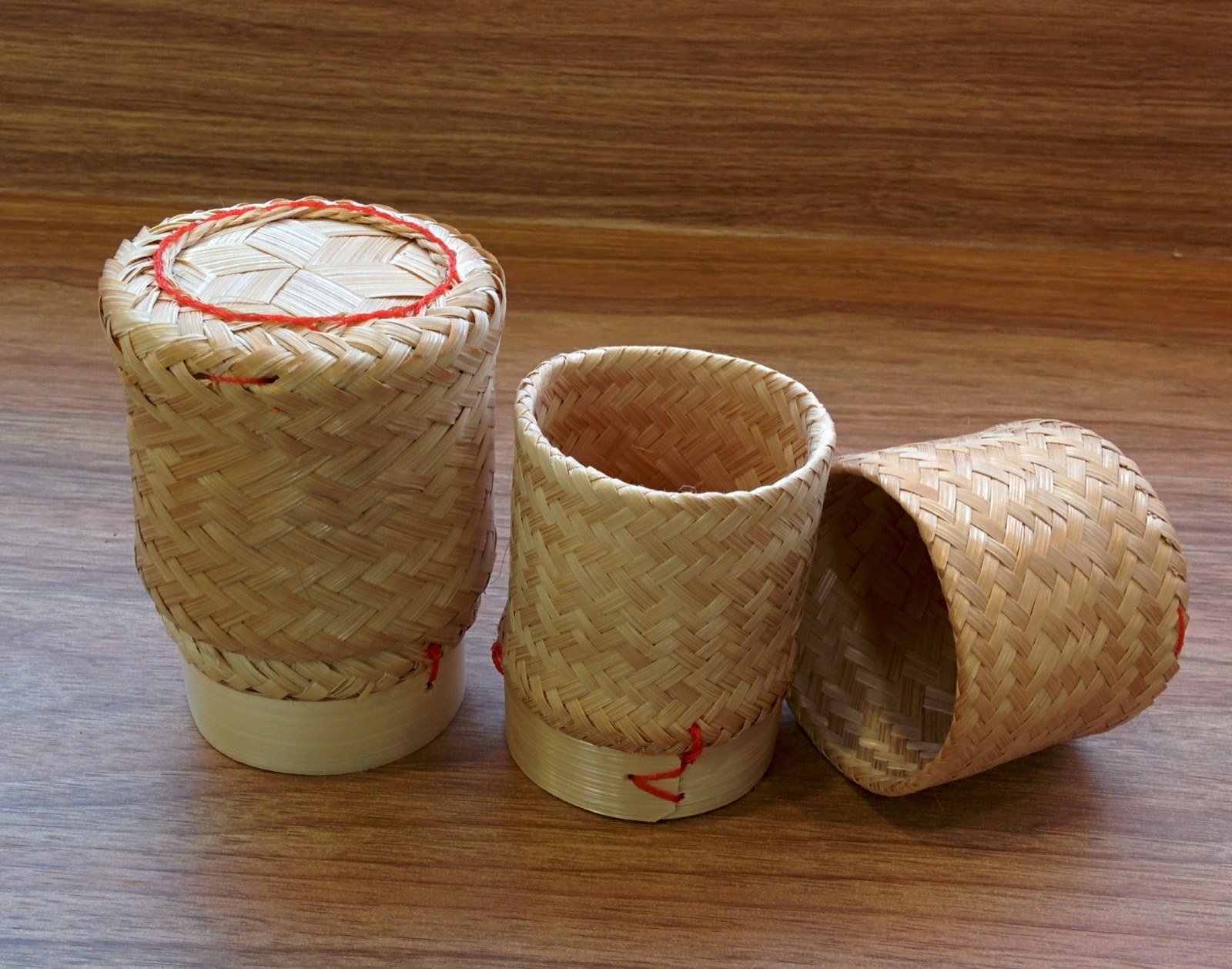
| kong khao ก่อฯงเขั้า | kong khao | a rice box: a woven container for keeping steamed sticky rice to eat |
Who eats what: wheat, corn and rice
The opening list runs through what "some people" eat, bread, wheat, corn, oats and ordinary rice, to set them against the khao nueng of the Khon Mueang. The most repeated line of the song is this one:
ข้าวนึ่งกิ๋นแล้วสบาย ลูกป้อจายข้าวนึ่ง — Luk Khao Nueng, words: Jaran Manopetch
("Eat khao nueng and you feel well; sons of steamed rice.")
| Word | Reading | Meaning |
|---|---|---|
| kin กินฯ | kin | to eat (the song writes "kin" the Kham Mueang way) |
| pho chai พํอฯชายฯ | pho chai | a man, of any age, from a baby to an old man |
| luk ลูก | luk | a child, one born of a father and mother; also someone raised as a child by another |
None of our sources explains the title Luk Khao Nueng directly. Reading from the dictionary, luk can mean someone who has been raised and looked after, so the title can be read as "a child raised on steamed rice", a person who grew up on sticky rice. This is Moradok Lanna's own reading.
What goes with it: hot and sticky
The second part of the song is about freshly steamed, soft rice:
ยังฮ้อนๆ เหนียวๆ — Luk Khao Nueng, words: Jaran Manopetch
("Still hot, still sticky.")
hon (ร้อฯร) means hot. The foods eaten with khao nueng in the lyrics include several kinds:
| Food in the song | Kham Mueang word in the dictionary | Meaning |
|---|---|---|
| lap | lap ลาปฯ | a dish of minced meat dressed with lap spice paste and spices |
| lap lu (one source prints ลาบลู่) | lu ห้ลฯ | a dish like lap, rather spicy, with more fresh blood than meat |
| nam phrik ong | nam phik ong นาฯระฯพิกฯอ่อฯง | a Lanna village chilli dip, orange from tomato and dried chilli, sour, salty and mildly hot |
| pla chom | pa chom ปลฯาจ่อฯม | small fish cured in salt |
| lightly sun-dried meat, steamed fish, grilled chicken, som tam | not in the dictionary | written in central Thai only |
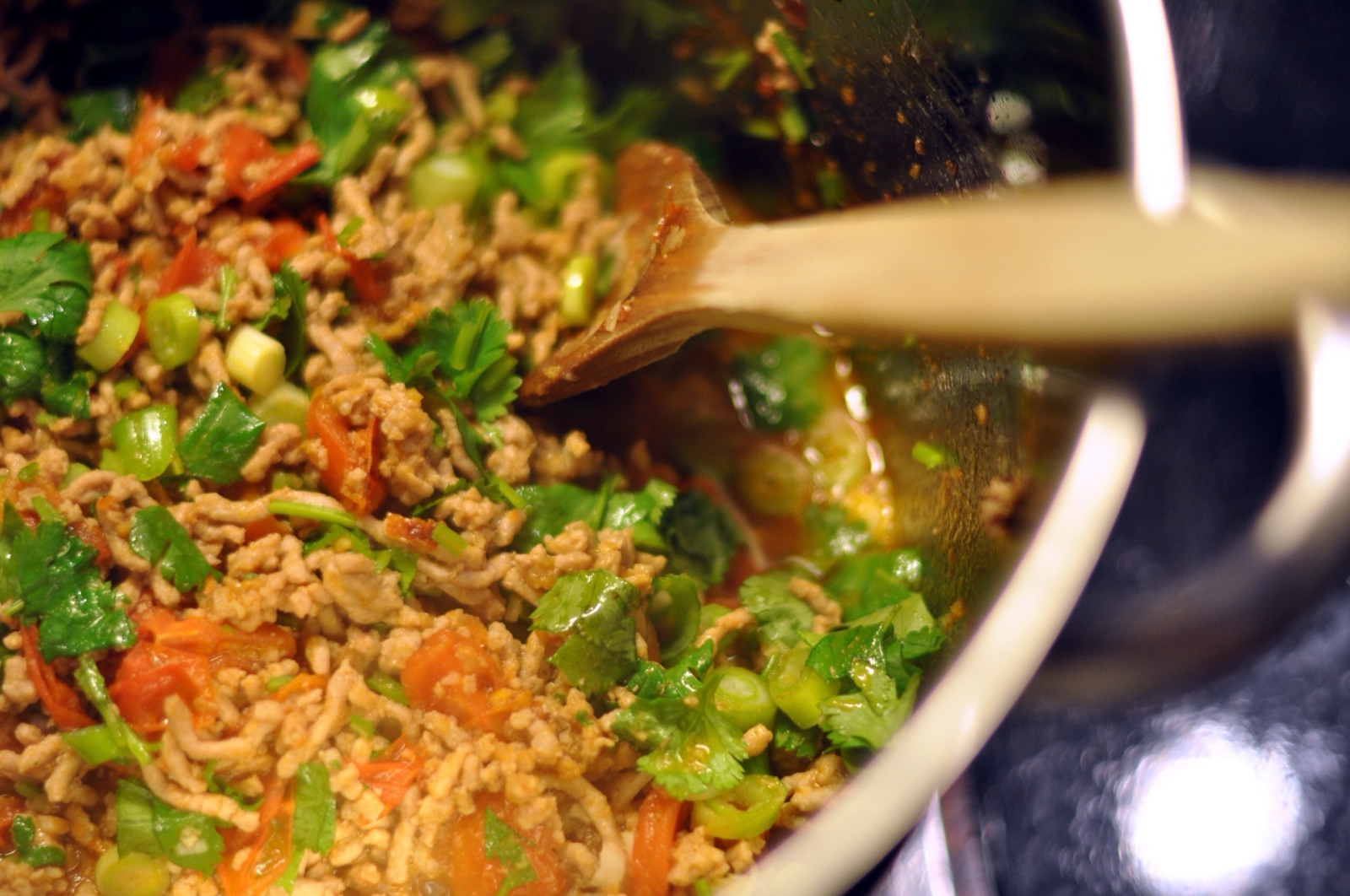
If you want to eat khao nueng with nam phrik ong like in the song, try the recipe below: choose the number of people and the amounts scale for you. Read the full story of nam phrik ong in Nam phrik ong and about table manners with sticky rice in Eat like a local.
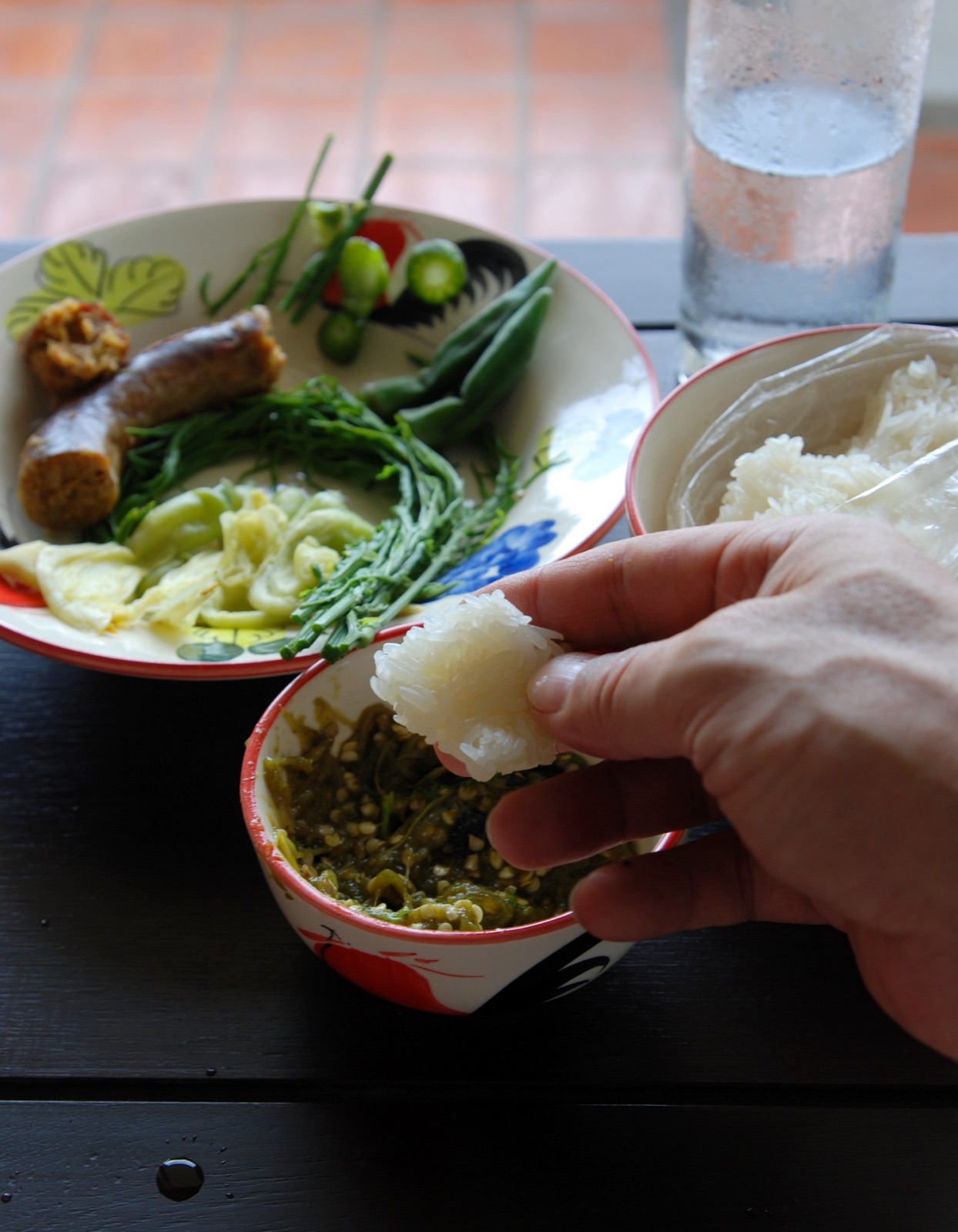
Kiat ko u nak, hak ko hak tae
The next part turns from food to the character of the Khon Mueang, as the song sees them:
เกลียดก็อู้หนักๆ ฮักก็ฮักแต้ๆ — Luk Khao Nueng, words: Jaran Manopetch
("If they dislike, they speak heavily; if they love, they love truly.")
| Word | Reading | Meaning in the dictionary |
|---|---|---|
| kiat คยฯด | kiat | angry, annoyed, displeased (the song writes "เกลียด"; some sources print "เกี๊ยด") |
| u อู้ | u | to speak, to chat, to talk |
| nak หันฯก | nak | heavy |
| hak รักฯ | hak | to care for and be attached to, to be fond of (to love) |
| tae แท้ | tae | genuine, true, with nothing mixed in, for example u tae, to speak truly without lying (the song writes "แต้ๆ") |
The meaning of the line is: when angry they speak plainly and strongly, and when they love they love truly. Sunthon Khamyot (2016) reads this as a picture of the sincerity and determination of the Khon Mueang. The word "แต้ๆ" written with the mai tho tone mark in the song matches tae (with the mai tri) in the dictionary.
Proud to be Khon Mueang
The song ends by declaring pride in who the singer is. Sunthon Khamyot (2016) reads it as asserting that the Kham Mueang dialect is itself a branch of Thai, and that eating sticky rice, which the centre once looked down on, is something to be proud of, not ashamed of.
Words to know here: hao (เรัา) means we, bo (บ) is the negative, khon mueang (ฅ฿นฯล้านฯนาฯ) means people born in Lanna, and khon thai lanna (ฅ฿นฯไทยฯล้านฯนาฯ) are Thai people living in the eight upper-northern provinces of Lanna.
Read about the Tai peoples and their names in Tai peoples.
The lyrics differ slightly between sources
This article quotes only lines on which all sources agree. For "bo chai" (not), the lyric websites print "บ่ใจ่" or "บ่ใจ้" while the study prints "บ่ใช่" (without tone marks). Some sources print "เกี๊ยด" for "เกลียด" and "รัก" for "ฮัก". The lines "ลาบลู่/ลาบหลู้", "ปลากั๊บ/ปลากับ", "น่าเจื้อ/น่าเชื่อ" and "เนื้อขาว/ผิวขาว" have different words, so we do not use them as quotations.
The meaning as a whole
The repeated part of the song runs through what "some people" eat, all the way to ordinary rice, and then says that "we" are Thai and feel well after eating khao nueng. The other parts tell of the taste, hot sticky rice eaten with lap, nam phrik ong, pla chom, grilled chicken and som tam, and of the plain-speaking character of the Khon Mueang. It is a song that uses the sticky rice on the plate to say who we are. Sunthon Khamyot's study (2016) counts Luk Khao Nueng as an example of Jaran's songs that show pride in being Khon Mueang.
Summary
- khao nueng is steamed sticky rice; khao is rice and nueng is to steam.
- In Kham Mueang นึ่ง means one, while หนึ้ง means to steam, the reverse of central Thai.
- khao sali in Kham Mueang is corn, not wheat.
- pho chai is a man of any age, and hak, hon, u, tae are Kham Mueang words found in the song.
- The line "hao nan pen khon thai" is read in the study as the Khon Mueang affirming their place in the Thai state.
Look up more words from the song in the Moradok Lanna dictionary (in Thai). More in the same series: Phak Kat Cho · Khong Kin Khon Mueang, or see the whole series at Kham Mueang through songs and literature (in Thai). Read more about rice and fields in Rice and fields in Kham Mueang.
Sources
- Moradok Lanna dictionary (dict2), entries เข้าหนึ้ง, เข้า, หนึ้ง, นึ่ง, หนึ้งเข้า, ก่องเข้า, ไหเข้า, หม่าเข้า, เข้าสาลี, กิ๋น, ป้อจาย, ลูก, คนเมือง, คนไทยล้านนา, คนไทย, อู้, หนั๋ก, เกี้ยด, แต๊, ฮัก, ฮ้อน, เฮา, บ่, ลาบ, หลู้, น้ำพิกอ่อง, ป๋าจ่อม. In Thai.
- Nititad AOA Official. (2015). ลูกข้าวนึ่ง - จรัล มโนเพ็ชร [Official Music Video] [Luk Khao Nueng – Jaran Manopetch]. YouTube.
- สุนทร คำยอด [Sunthon Khamyot]. (2016). "อุดมการณ์ล้านนานิยม" ในบทเพลงของ จรัล มโนเพ็ชร ["Lanna-ist ideology" in the songs of Jaran Manopetch]. Khuang Phaya Journal, Chiang Mai Rajabhat University 11. In Thai.
- เนื้อเพลง ลูกข้าวนึ่ง - จรัล มโนเพ็ชร [Lyrics]. MeeModel (used to compare wording). In Thai.
- kawaka. (2006, May 31). เนื้อเพลงของจรัล มโนเพ็ชร ฉบับแก้ไขตรวจทาน [Jaran Manopetch lyrics, corrected edition]. Bloggang (used to compare wording). In Thai.
- วิกิพีเดีย [Wikipedia]. จรัล มโนเพ็ชร [Jaran Manopetch] (discography), used as background on the albums. In Thai.
Practise the words from this article
Flip through 26 flashcards of the Lanna words used in this article.
Look up "เข้าหนึ้ง" in the Moradok Lanna dictionary (in Thai)


