
Photo: 7weaves / Wikimedia Commons (CC BY-SA 4.0)
Mo Hom: Kham Mueang from a Jaran Manopetch Song
Mo Hom (ม่อฮ่อม), a song by Jaran Manopetch, uses one dark-blue cotton shirt to talk about Northern pride. The title is spelled ม่อฮ่อม, while the Moradok Lanna dictionary records the word as หม้อห้อม หํมฯอฯห้อฯม (Kham Mueang reading mo hom), meaning the pot that holds hom, the fermented dye kept for dyeing cloth. This article listens to the song, looks at why the word can be written two ways, and then learns Kham Mueang words for cloth, dyeing and the phrases you hear in the song.
This is part of the series Kham Mueang through songs and literature. The song is still under copyright, so we quote only two short phrases to explain them, and invite you to hear the full song from the official channel.
Listen to the song first
According to the list of Jaran's works on Wikipedia, Mo Hom is on the album Jaran and Candle: Ban Bon Doi (จรัลกับแคนเดิ้ล บ้านบนดอย, 1983), the same album as Ban Bon Doi. The information on the release channel credits the words and music to Jaran Manopetch.

This version is the audio from RMS Publishing, the rights holder, published on the channel Jaran Manopetch - Topic. Listen once, then read on.
ม่อฮ่อม or หม้อห้อม: which spelling is right
Thai has two spellings, ม่อฮ่อม and หม้อห้อม, and linguists really did argue about it. The Royal Society of Thailand explains in its knowledge bank that when it revised its dictionary into the 1982 edition, the committee entered ม่อฮ่อม as most people write it, but later scholars of Northern Thai proposed หม้อห้อม, and the committee was divided.
| Spelling | Reasoning the Royal Society reports |
|---|---|
| ม่อฮ่อม | ม่อ (มอ) means a dark colour, indigo, and ฮ่อม is the indigo from the hom plant. Lanna people pronounce มอ as ม่อ |
| หม้อห้อม | Several Northern Thai dictionaries record the word with the spelling หม้อห้อม, and scholars matching tones found it fits this form |
The Moradok Lanna dictionary writes the form หม้อห้อม. Its explanation has the same gist as the one the Royal Society quotes from the Lanna–Thai dictionary (Mae Fah Luang edition). The song title uses the form ม่อฮ่อม that most people recognise. When you meet either form in an article or on a shop sign, it is the same word.
What the song is about (our own summary)
The words are easy and direct. The singer opens by saying he is a Northerner from his ancestors on, then compares the mo hom shirt with expensive branded jeans: this indigo shirt is good for every occasion, whether going to work, to the fields, to eat and drink, or to aeo แอ่วฯ (Kham Mueang reading aeo, meaning to go out and visit) a girl, and it suits every rank from villagers to nobles. The closing lines warn us not to forget our roots.
The two phrases we quote to explain them are
ใส่ม่อฮ่อม ย้อมเป็นสีคราม — Mo Hom, words and music: Jaran Manopetch
("Wear mo hom, dyed indigo blue.") and the closing line that plays with the sounds:
ลืมเชื้อลืมเสื้อม่อฮ่อม — Mo Hom, words and music: Jaran Manopetch
("Forget your lineage, forget the mo hom shirt.") This line pairs chuea (lineage) with suea (shirt), which end in the same sound: forgetting your ancestry is like forgetting the shirt that marks who we are. The singer does not forbid other clothes; he invites us to be proud of what is ours.
Kham Mueang words you hear in the song
The lyrics mix central Thai and Kham Mueang naturally, so the song suits beginners who cannot yet follow long Kham Mueang. The table gathers the words the Moradok Lanna dictionary records.
| Word in the song | Kham Mueang | Meaning in the dictionary |
|---|---|---|
| อ้าย (ai) | อ้ายฯ | eldest brother; a form of address for a man older than oneself; and the pronoun a man uses for himself when speaking to someone younger |
| หมู่เฮา (mu hao) | หู่เรัา | of the same group, informal (เฮา (hao) เรัา means "we") |
| จาว (chao) | ชาวฯ | a group of people of the same ethnicity or home area; the song uses it in the phrase จาวเหนือ, which we read as "Northern people" |
| บ่ (bo) | บ | not; goes before a verb, as in บ่งาม, "not beautiful" |
| งาม (ngam) | งา | beautiful; looking pleasing and heartening |
| ถูก (thuk) | ถูก | to be hit; another meaning is "not expensive", which matches the shirt's advantage that the Royal Society mentions |
| ใส่ (sai) | ไส่ | to put on (wear), insert, put into (the song uses it for wearing a shirt) |
| กิ๋น (kin) | กินฯ | to eat, to drink, as in กิ๋นเข้า (eat rice) and กิ๋นเหล้า (drink liquor) |
| คนเมือง (khon mueang) | ฅ฿นฯล้านฯนาฯ | Northern Thai people by birth, who speak the Lanna language |
The published lyrics spell some words the central Thai way, for example กิน, which Kham Mueang reads kin with another tone, so this is a good chance to practise listening and compare sounds. Words like ai, hao and bo are still used every day: read on at Kham Mueang family words.
Cloth words from the dictionary
Hom is the plant that gives deep blue. Kham Mueang has a name for every step, from the plant and the dye water to the shirt and the trousers.
| Word | Kham Mueang | Meaning in the dictionary |
|---|---|---|
| ห้อม (hom) | ห้อฯม | the hom plant used to dye cloth to a bluish black; indigo-dyed cloth is also called pha mo hom |
| ผ้าหม้อห้อม (pha mo hom) | ผ้าหํมฯอฯห้อฯม | local cloth in which white cotton is dyed with hom leaves to a deep blue; light, easy to care for, not expensive |
| เสื้อหม้อห้อม (suea mo hom) | เสิ้อฯอหํมฯอฯห้อฯม | a shirt dyed with hom or indigo water, dark blue or bluish black |
| เตี่ยวหม้อห้อม (tia mo hom) | ต่ยฯวหํมฯอฯห้อฯม | local trousers sewn from mo hom cloth |
| เตี่ยวสะดอ (tia sa-do) | ต่ยฯวสดํอฯ | loose-crotch trousers like fisherman's trousers, cut to mid-shin |
| ย้อม (yom) | ย้อฯม | to dip or bathe in colour |
| น้ำย้อม (nam yom) | นาฯย้อฯม | water mixed with colour for dyeing cloth |
| ฝ้าย (fai) | ฝ้ายฯ | cotton fluff; the thread used for weaving |
For the full set of words for shirts, trousers and weaving, read Cloth and clothing words. Words for the dark blue and other colours are in Colour words.
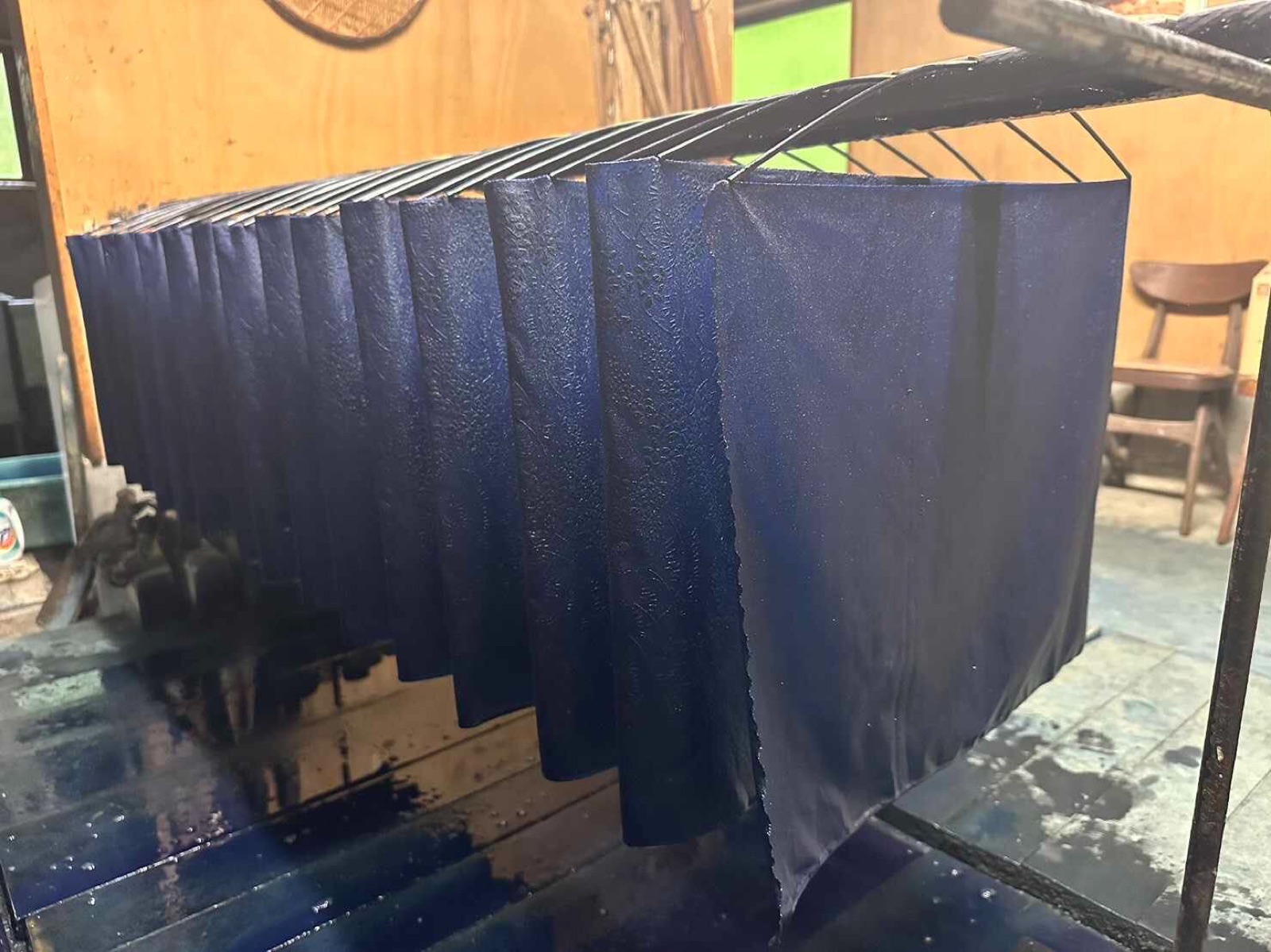
Photo: Markmcnbowe97 / Wikimedia Commons (CC BY-SA 4.0)
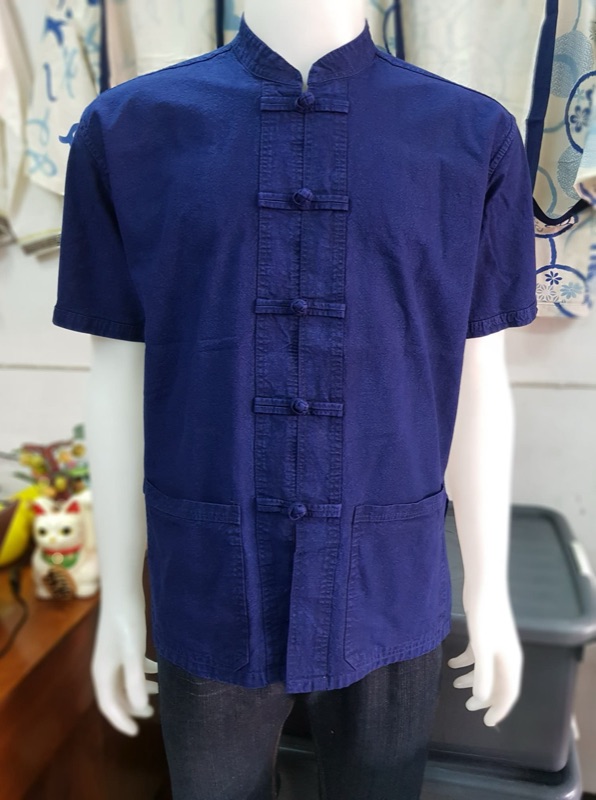
Photo: 19thronin / Wikimedia Commons (CC BY-SA 4.0)
Where the mo hom shirt comes from
Many people assume the mo hom shirt has been the everyday shirt of Lanna men since long ago, but the Royal Society tells a different story, in its article:
- The name mo hom first meant a blackish indigo colour, and was later used for the shirt itself: a round-necked cotton shirt open down the front, with short or long sleeves.
- The shirt Lanna men favoured earlier was a white cotton shirt called suea ha duk (เสื้อห้าดูก).
- The mo hom shirt appeared after the Second World War, starting in Phrae province, when Lao Phuan people who had migrated into Mueang Phrae district sewed indigo-black cotton shirts to sell to forestry workers.
- In 1953 Kraisri Nimmanahaeminda gave a khantoke dinner in Chiang Mai in honour of Sanya Dharmasakti and the American consul, and asked the guests to wear round-necked indigo cotton shirts with a waist cloth. After that the shirt became much more popular, and people took it to be the traditional shirt of Lanna men.
The Royal Society also notes that the shirt is comfortable, durable and cheap, the same three virtues the song sets against pricey jeans. Wikipedia adds that this kind of shirt is folk dress of many Tai peoples, from the Tai Lue and the Lao to the Tai Yuan of the North. Researchers who analysed the lyrics of another Jaran song read wearing the mo hom shirt as "the uniform of the Khon Mueang" (Euamporn Thipdet and Siriwan Nantajantoon, 2023).
Sounds that change in this word
Kham Mueang and central Thai often differ in tone and in the initial consonant. The word hom (ห้อม), written ฮ่อม in the song title, is a good example because people in the North do not say it as central Thai does. The Royal Society notes that the central Thai falling tone is a different tone from the one in Northern Thai, which is one reason the word is spelled two ways. Read more Kham Mueang sound rules in Kham Mueang sound rules.
Summary
- Jaran Manopetch's song Mo Hom uses an indigo shirt as a symbol of Northern pride, and urges listeners not to forget their roots.
- ม่อฮ่อม and หม้อห้อม are the same word. The Moradok Lanna dictionary writes หม้อห้อม, and ห้อม is the dye plant, not ฮ่อม, which means "narrow gap".
- The Royal Society says the mo hom shirt spread after the Second World War, starting in Phrae, and grew more popular after the khantoke dinner in Chiang Mai in 1953.
- Kham Mueang words from the song to remember: ai, hao, mu hao, bo, ngam, aeo, kin.
Look up more cloth words in the Moradok Lanna dictionary (in Thai), and read about a very different Lanna textile in Sin Tin Chok.
More in the same series: Ban Bon Doi · Khong Kin Khon Mueang · Sao Chiang Mai, or see the whole series at Kham Mueang through songs and literature.
Sources
- Moradok Lanna dictionary (dict2), entries หม้อห้อม, ห้อม, ผ้าหม้อห้อม, เสื้อหม้อห้อม, เตี่ยวหม้อห้อม, ฮ่อม and the other words in this article. In Thai.
- ราชบัณฑิตยสภา [Royal Society of Thailand]. ม่อฮ่อม หรือ หม้อห้อม [Mo hom or mo hom]. Knowledge bank, Office of the Royal Society. In Thai.
- วิกิพีเดีย [Wikipedia]. หม้อห้อม [Mo hom] (used as a lead and checked against other sources). In Thai.
- วิกิพีเดีย [Wikipedia]. จรัล มโนเพ็ชร [Jaran Manopetch] (album and song list, used as a lead). In Thai.
- จรัล มโนเพ็ชร - Topic (RMS Publishing). ม่อฮ่อม [Mo Hom]. YouTube.
- RMS Karaoke. ม่อฮ่อม - จรัล มโนเพ็ชร (Lyric Video) [Mo Hom – Jaran Manopetch (Lyric Video)]. YouTube (on-screen lyrics, used to check the two quoted phrases).
- เอื้อมพร ทิพย์เดช and สิริวรรณ นันทจันทูล [Euamporn Thipdet and Siriwan Nantajantoon]. (2023). ภาพแทนคนเมืองในบทเพลงของจรัล มโนเพ็ชร [The representation of Khon Mueang in Jaran Manopetch's songs]. Journal of Humanities and Social Sciences, 10(1). In Thai.
Practise the words from this article
Flip through 25 flashcards of the Lanna words used in this article.
Look up "หม้อห้อม" in the Moradok Lanna dictionary (in Thai)


