
Photo: Takeaway / Wikimedia Commons (CC BY-SA 3.0)
Mae Kha Pla Chom: Kham Mueang from a Jaran Manopetch Song
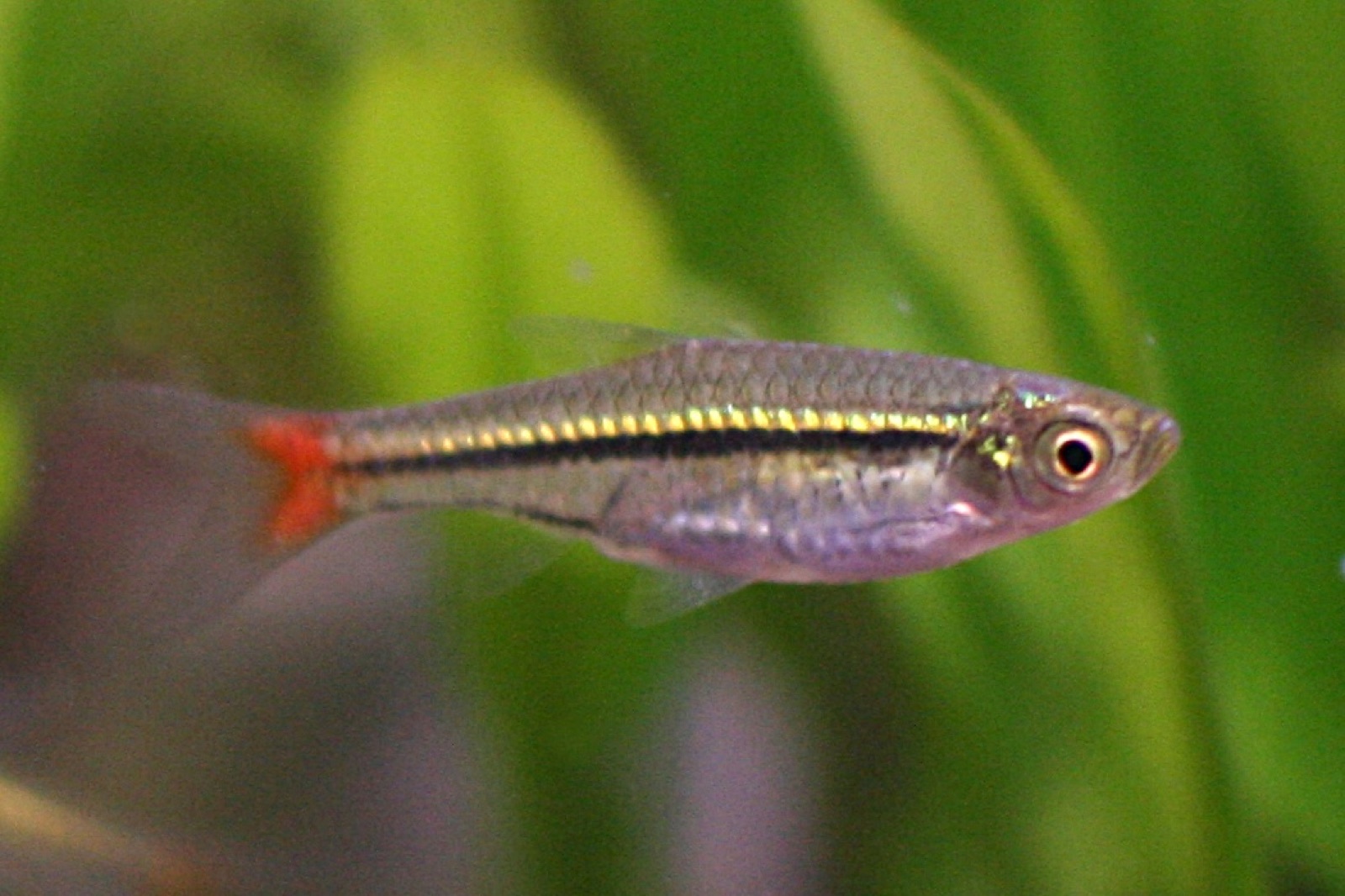
Mae Kha Pla Chom ("The Fermented Fish Seller") is a Kham Mueang (Northern Thai) song by Jaran Manopetch, named after an elderly market woman who sits selling one of the fermented foods of the Northern kitchen, pla chom. In Kham Mueang it is pa chom (ปลฯาจ่อฯม, Kham Mueang reading pa chom). The dictionary explains it as "small fish such as pla sio (minnows), preserved with salt mixed with saltpetre". The song has words about the market, words for old people, words for baht and salueng coins, and words about earning a living, which makes it a good lesson for anyone who wants to learn Kham Mueang from real life.
This article is part of the series Kham Mueang through songs and literature. The song is still under copyright, so we quote only a few short phrases, just enough to explain the words, and invite you to listen to the song from the official audio.
Listen to the song first
According to the list of Jaran's works on Wikipedia, Mae Kha Pla Chom is track 3 on the album Jaran kap Candle: Ueang Phueng–Chan Pha (1984) and track 6 on the album Tamnan Folk ("Folk Legend", 1986). The record database Discogs lists the Ueang Phueng–Chan Pha LP on Golden Sound with the song as the first track on side A (A3) and gives the year of the record as 1985. The two sources differ by one year, so we say it dates from about 1984 to 1985. The official audio on YouTube was delivered through AnyMind Music for the rights holder RMS (℗ RMS), dated 24 December 2020.

The audio comes from the Jaran Manopetch – Topic channel, which is built from songs submitted by the rights holder. Listen once first, then read the explanations below.
Short phrases from the song
The lyrics quoted in this article come from the blog of a music lover who collected Jaran's lyrics (two versions of the same blog, both from 2006, agree word for word on every phrase we quote). They are not an official text, and we have not yet found a third, independent version to compare with, so we quote only four short phrases that we need to explain words.
ปากเดียวบ่ยาก สามปากต้องดิ้น — Mae Kha Pla Chom, words and music: Jaran Manopetch
("One mouth is no trouble; three mouths must struggle.")
According to the lyrics as the listener wrote them down, the song tells of an old woman who sits selling pla chom, selling it a cup for one baht, and has to earn a living for several mouths in her house. That is our own summary; you can hear the rest of the story in the official audio above.
| Phrase in the song | Kham Mueang in the dictionary | Meaning |
|---|---|---|
| mae thao (แม่เฒ่า) | mae thao แม่เถั้า | an old woman, a woman of great age (another meaning is a spouse's term for the other's mother) |
| nang khai pla chom | nang kat นั่งฯกาดฯ | to sit selling things |
| khai thuai la bat | khai ขายฯ · thuai ถ้วฯยฯ · bat บาฯทฯ | to exchange goods for money · a bowl, a deep-bottomed vessel · a unit of money, 100 satang |
| yang tong ha kin | ha kin หากินฯ | to earn a living, to work to support oneself |
| sam pak tong din | din | to struggle (our reading, from the context of the phrase) |
The word mae thao in the song is spelled the central Thai way. The dictionary spells the word thao (เถั้า) and says it means "old, aged", as in khon thao, an old person. In Kham Mueang an elderly woman is mae thao. Another word for older people is ui (อุ้), which the dictionary gives as the term for the parent of one's mother or father (pho ui, mae ui).
What is pla chom?
The Moradok Lanna dictionary describes it as small fish such as pla sio (minnows), preserved with salt mixed with saltpetre. The Thai Fermented Foods Database compiled by the research centre JIRCAS (Japan) describes a slightly different recipe: small freshwater fish or small shrimp mixed with salt, ground roasted rice and garlic, sealed in a container and left at room temperature for about 3 to 5 days, keeping for about 2 weeks. It tastes sour and salty and is eaten with rice, or mixed with sliced lemongrass, shallots and chilli as a dip for vegetables. The two sources agree that it is small fish preserved with salt, and differ on the other ingredients, which will of course vary from home to home.
| Kham Mueang | Script | Dictionary meaning |
|---|---|---|
| pa chom | ปลฯาจ่อฯม | small fish such as pla sio (minnows), preserved with salt mixed with saltpetre |
| pa ha | ปลฯาร้า | pla ra: fish preserved with salt, with roasted rice or roasted rice bran added |
| pa som | ปลฯาส้฿มฯ | pla som: a way of preserving food using salt, garlic, cooked sticky rice and so on, left until sour; cooked by frying or grilling before eating |
| pa bae | ปลฯาแบ | a large fish such as a carp, split open flat, salted and dried in the sun |
Why does Kham Mueang write pa (ปลฯา) for pla at the start of a word? Because the dictionary says of kuai (ก้ลฯวฯยฯ, banana) that "Kham Mueang has no consonant clusters", so the l is dropped from pl and the sound is p, with a rising tone. Pla ra becomes pa ha because r is pronounced h, a rule you can read about in Kham Mueang sound rules. The word for "to ferment" in the dictionary is mak (หัมฯก), meaning to leave something soaking.
Read the names of many more fish at Fish Names in Kham Mueang and see where fermented fish fit in the Northern kitchen at Lanna Kitchen.
The market, the seller and the words for selling
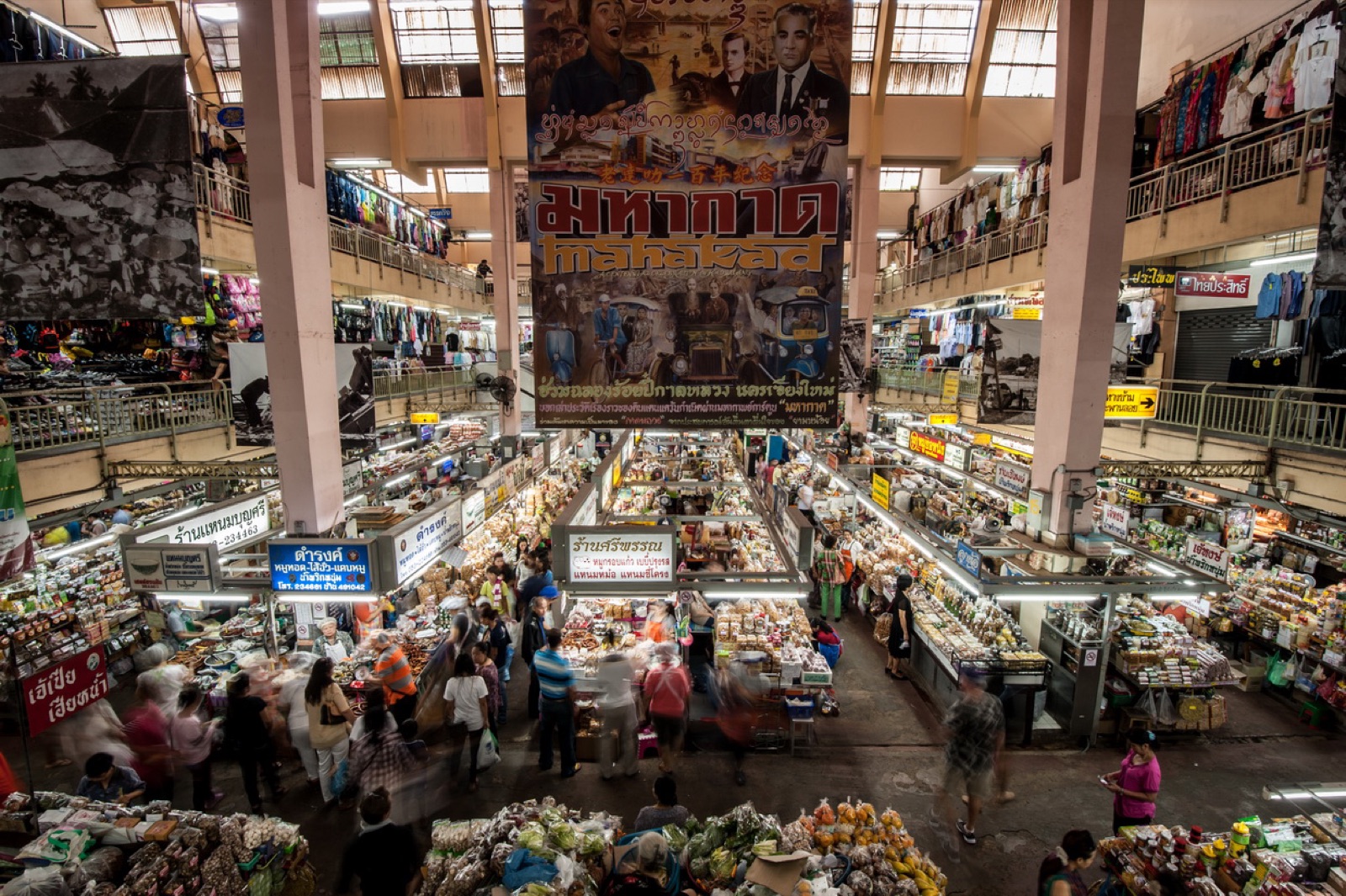
Pla chom is something people in the North buy and sell in the kat. These market words are in the dictionary and relate to the song.
- kat (กาดฯ) is the market, including kat kom (a small market), kat nat, kat laeng and kat mua (กาดฯหั้฿มฯวฯฯ), a fresh market where buying and selling go on all day.
- nang kat means to sit selling things, which matches the picture of the market woman in the song.
- khai is to exchange goods for money, and khai muan (ขายฯม่วฯร) means to sell well, with many buyers.
For words on shopping and bargaining, read Going to the Market Like a Khon Mueang and Bargaining like a Khon Mueang.
Thuai, baht, salueng: money words at the market
The phrase "a cup for one baht" makes you think about prices. In the dictionary the first meaning of thuai is a bowl, a deep-bottomed vessel for food. So a thuai of pla chom is pla chom scooped into a cup and sold. The baht is divided into 4 salueng, and a salueng (สึๆลฯง) is 25 satang, as the dictionary gives it. Thuai is also one of the words that central Thai speakers often misread, so try the game below.
So, ha kin, tang kin: words for making a living
The song talks about the livelihood of a poor person in plain words that are still in use.
- ha kin (หากินฯ) means to earn a living, to work to support oneself (the dictionary says so ma ha kin and so wa ha kin are also used).
- so (โซอฯะ) means to seek, to look for, for example pai so het (to go and gather mushrooms).
- tang kin (ทาฯงฯกินฯ) means a way of earning a living, an occupation.
In our view, these words show that the heart of the song is not pla chom itself but the perseverance of an old woman who still has to go out to earn a living, and the song tells it with sympathy.
The meaning of the song as a whole
In our own words, the song tells of an old woman who sits selling pla chom a cup for one baht and has to support several people in her house. Her life is hard, but the song looks on her with kindness. It is another side of life in the North, different from the cheerful songs by the same Jaran such as Phak Kat Cho and Khong Kin Khon Mueang.
Summary
- Pa chom is small fish preserved with salt, and it is different from pa ha (pla ra), pa som (pla som) and pa bae (large fish split open, salted and dried).
- Market words: kat, kat mua, nang kat, khai, khai muan, thuai, baht, salueng.
- Mae thao is an old woman, and ha kin, so, tang kin are words about earning a living.
- The sound changes seen in this article are pl to p (the l is dropped, with a rising tone), r to h, and the central Thai spelling เฒ่า (old) written เถ้า in the dictionary.
Look up more words in the Moradok Lanna dictionary (in Thai), or read on in the same series: Sao Chiang Mai · Ban Bon Doi, or see the whole series at Kham Mueang through songs and literature (in Thai).
Sources
- Moradok Lanna dictionary (dict2), entries ป๋าจ่อม, ป๋า, ป๋าแบ, ป๋าฮ้า, ป๋าส้ม, นั่งกาด, กาด, กาดหมั้ว, ขาย, ขายม่วน, ถ้วย, บาท, สะหลึง, เถ้า, แม่เถ้า, เซาะ, หากิ๋น, ตางกิ๋น, อุ๊ย, หมั๋ก, ก้วย and the other words in this article. In Thai.
- วิกิพีเดีย [Wikipedia]. จรัล มโนเพ็ชร [Jaran Manopetch] (used for a first check of the album list). In Thai.
- Discogs. จรัล มโนเพ็ชร – เอื้องผึ้ง-จันผา [Jaran Manopetch – Ueang Phueng–Chan Pha] (Golden Sound LP, track list).
- จรัล มโนเพ็ชร – Topic [Jaran Manopetch – Topic]. แม่ค้าปลาจ่อม [Mae Kha Pla Chom]. YouTube (℗ RMS, released 24 December 2020).
- กะว่าก๋า [Ka Wa Ka]. (2006). เนื้อเพลงของจรัล มโนเพ็ชร ฉบับแก้ไขตรวจทาน [Lyrics of Jaran Manopetch, corrected edition] and เนื้อเพลงของอ้ายจรัล มโนเพ็ชร [Lyrics of Jaran Manopetch]. Bloggang (comparison lyrics, used only as a clue). In Thai.
- JIRCAS. Plaa-jorm Koong-jorm (sour fermented small fish/shrimp). Thai Fermented Foods Database.
Practise the words from this article
Flip through 21 flashcards of the Lanna words used in this article.


