
Photo: Takeaway / Wikimedia Commons (CC BY-SA 3.0)
Lanna Kitchen Spices: Ba Khwaen, Di Pi, Chak Khai, Ha
Lanna kitchen spices are the words that make a Northern Thai kitchen readable, from ba khwaen (ba khwaen, บ่าฯแข่วฯร), which goes into the laap spice paste, and di pi (di pi, ดีปีลฯ), a hot spice, to chak khai (chak khai, จักฯไฯระฯค), lemongrass, and on to ha, nam pu and thua nao, the fermented flavours of the Northern kitchen.
This article collects twelve spices, aromatics and seasonings. Each has its meaning and example dishes from the Moradok Lanna dictionary, plus the name Central Thai speakers use. To see how the food is cooked, read Lanna Kitchen Verbs and the series index, The Lanna Kitchen.
Ba khwaen and di pi: spices Bangkok may not know
These two names mean little to outsiders, so start here.
| Kham Mueang | Lanna script | The dictionary says | Central Thai name |
|---|---|---|---|
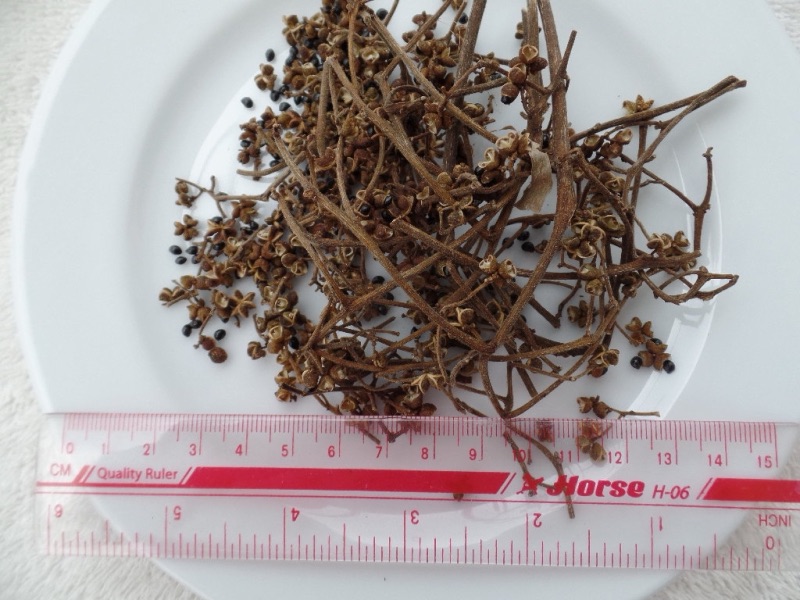
| ba khwaen | บ่าฯแข่วฯร | another name for lukramat or kamchat ton; the dried fruit and seeds are mixed into spice and curry mixes for heat and fragrance | makhwaen (general knowledge) |
| di pi | ดีปีลฯ | a climbing vine like betel; the fruit is a cylindrical spike with a sharp, hot smell, used as a spice | dipli (long pepper) |
For ba khwaen (entry ba khaen) the dictionary adds that Northerners like it in the laap chilli paste, in chicken yam and in mustard-green curry, and that the leaves and young shoots are eaten fresh with chilli dips or laap. For neither word does the dictionary give a scientific name, so we do not give one.
Chak khai, kha, hom bua, hom khao: aromatics for the mortar
These go into the mortar first, and several look like Central Thai words, which makes them easy to misread.
| Kham Mueang | Lanna script | The dictionary says | Central Thai name |
|---|---|---|---|
| chak khai | จักฯไฯระฯค | a fragrant herb used to take away fishy smells, put in chilli pastes, curries and tom yam | takhrai (lemongrass) |
| kha | ข่า | a plant with a rhizome and a sharp smell, used in cooking | kha (galangal) |
| kha kaeng | ข่าแดงฯ | the small-rooted kind of kha with a stronger taste than kha yuak | (small galangal) |
| hom bua | หอฯมบ่฿วฯ | a bulb plant with a dark red bulb that splits into 2-3 cloves, a not-too-sharp smell, a zesty heat | hom daeng (shallot) |
| hom khao | หอฯมขาวฯ | a plant with an underground bulb of many tight cloves, a sharp smell and a hot taste; also hom tiam | krathiam (garlic) |
The dictionary gives kha another sense as well: a bamboo rack or grate above the hearth for holding or grilling things, which suits a wood-fire kitchen. For other kitchen objects see Lanna Kitchenware Words.
Phik and phik dae: chillies in the Northern kitchen
Phik (ฯระฯพิกฯ) is chilli, and phik dae (ฯระฯพิกฯแด้) is the bird's-eye chilli (also phik tae). The dictionary says the ripe fruit is orange-red and hot. It defines nam phik as a food whose main ingredient is chilli, pounded together with seasonings, in many kinds; its examples are nam phik num, nam phik ta daeng, nam phik nam pu and nam phik ong. For the method, read Nam Phrik Ong.
Kue, nam pa, ha, nam pu, thua nao, ba kham: salty, fermented and sour
The last group gives salty and sour tastes, and many of them are fermented.
| Kham Mueang | Lanna script | The dictionary says | Central Thai name |
|---|---|---|---|
| kue | เกิลฯอฯอ | a white, salty substance, mostly from the sea, used to season food | kluea (salt) |
| nam pa | นาฯปลฯา | liquid from fermenting fish or other things with salt; salty | nam pla (fish sauce) |
| ha | ร้า | fish fermented with salt, with toasted rice added, used to season food; also pa ha | pla ra (fermented fish) |
| nam pu | นาฯปู | fresh field crabs pounded, the juice pressed out and boiled down to a thick, sticky black or dark grey paste, used in bamboo-shoot curry or mixed into chilli dips | nam pu (crab paste) |
| thua nao | ถ฿วฯเนาฯ | soybeans boiled soft, fermented with salt and pounded fine, used to season many dishes | thua nao |
| ba kham | บ่าฯขามฯ | a tall tree; wet tamarind gives sourness, used in dishes such as phak kat jo | makham (tamarind) |
The dictionary has one more: thua nao moe (ref 14935), thua nao made more intense, which may have chilli, salt or egg added, and thua nao khaep (ref 14934) for the thin round sun-dried discs.
Play: guess the Lanna spice name
Guess what Central Thai speakers call each seasoning. Every card shows the Lanna word from the dictionary and flips to the meaning once you answer.
Words not yet in the dictionary
While writing, we searched the Moradok Lanna dictionary for turmeric, shrimp paste, kaffir lime and black pepper (Central Thai names) and found no matching headword, so we give no Kham Mueang form for them. If you know what Khon Mueang call them, tell us, so they can be added to the dictionary before we write more. For the greens eaten alongside, see Kham Mueang Garden Greens and Kham Mueang Food False Friends.
Summary
- Ba khwaen and di pi are the spices of the Northern kitchen. The dictionary says ba khwaen is liked in laap chilli paste, and di pi is a spike of fruit with a sharp, hot smell.
- Chak khai is lemongrass, hom bua is shallot and hom khao is garlic.
- Phik is chilli, kue is salt and ba kham is tamarind.
- Ha, nam pu and thua nao are fermented seasonings that mark the Lanna kitchen.
- Some seasonings are not yet in the dictionary, so we leave their Kham Mueang forms out until they are added.
Look up more words in the Moradok Lanna dictionary (in Thai), or read about herbs from the traditional healer's side in Healers and Herbal Remedies.
📚 The whole series: every recipe and food word at The Lanna Kitchen: A Recipe Index
Sources
- The Moradok Lanna dictionary (in Thai): บ่าแขว่น · ดีปี๋ · จั๋กไค · ข่า · หอมบั่ว · หอมขาว · พิก · น้ำป๋า · ฮ้า · น้ำปู๋ · ถั่วเน่า · บ่าขาม · เกื๋อ
- The Central Thai name makhwaen for ba khwaen is general knowledge, not from the dictionary. The other Central Thai names are the forms the dictionary gives.
Practise the words from this article
Flip through 20 flashcards of the Lanna words used in this article.
Look up "บ่าแขว่น" in the Moradok Lanna dictionary (in Thai)


