
Photo: Paul Cornelis / Wikimedia Commons (CC BY-SA 4.0)
Phrae (Mueang Pae): Mo Hom Indigo, Teak and Cho Hae
Phrae is called Mueang Pae (เมิอฯงแระฯพ่, read mueang pae) in Kham Mueang, or just Pae. It is an old town on the Yom River that the Moradok Lanna dictionary says has "no inscription recording when it was founded". Yet it has things you remember at once: blue-black mo hom indigo cloth, teak houses more than a hundred years old, and Phra That Cho Hae on its hill, the stupa that people born in a Tiger year hope to visit once in their lives.
This post gets to know Mueang Pae through Kham Mueang words and academic research: the old names Wiang Kosai and Phon Nakhon, the road from independent town to province, Phra That Cho Hae, the mo hom cloth of the Phuan people of Ban Thung Hong (you can dye a cloth yourself in the tool halfway down), teak and the houses of the nobility, the motto line by line, and the words the dictionary says are used in Phrae.
Tap through Phrae's Kham Mueang name, motto and provincial tree, and compare them with the other provinces, in this tool.
Pae, Mueang Pae and the old name Wiang Kosai
The dictionary records the word phrae (แระฯพ่, read phrae) with two meanings. The first is Phrae Province, which "in the northern dialect (Kham Mueang) is pronounced Pae / Mueang Pae". The second is a verb, the same as in Central Thai: to spread out, to scatter.
In many words, Central Thai ph becomes p in Kham Mueang, as explained in Th, Ph, Kh become T, P, K in Kham Mueang. So Phrae in Northern mouths is Pae, and Phrae people themselves say they are going to, or come from, Mueang Pae.
The dictionary also gives an old name, Wiang Kosai, and says plainly that Phrae has no record of its own founding: its story has to be pieced together from other cities' evidence, such as the Yonok Chronicle, the northern chronicles and the inscription of King Ramkhamhaeng.
The local historian Phudet Saensa (Chiang Mai Rajabhat University), in "The historical development and identity of Mueang Phrae" (2016), says the same. Phrae has no "Phrae chronicle" of the kind Chiang Mai or Nan have; the local legend found in the town is a temple legend, the legend of Phra That Cho Hae. The oldest name he finds is Khwaen Phon or Khwaen Phon Nakhon: the legend of Phra That Lampang Luang calls one of its kings "Phaya Phonlarat", the king of the city of Phon.
The name Kosai also echoes the name of the hill in the Phra That Cho Hae legend, which researchers write as "Doi Kosiyathachakkha". The sources used here do not say whether Wiang Kosai was named after that hill, so we simply set the two names side by side.
From Phon Nakhon to Phrae Province
The Phrae basin is a medium-sized basin with the Yom River running through it. Phudet relates that at Ban Na Tong in Cho Hae subdistrict a prehistoric human skeleton was found with stone tools about 4,000 years old, and that the original people of the area were Mon-Khmer speakers whom locals call the Lua (ลวฯะ, lua), a people the dictionary says "still live in the Lanna region today". An important Lua leader, Khun Lua Ai Kom, was later honoured as the guardian spirit of Wat Phra That Cho Hae.
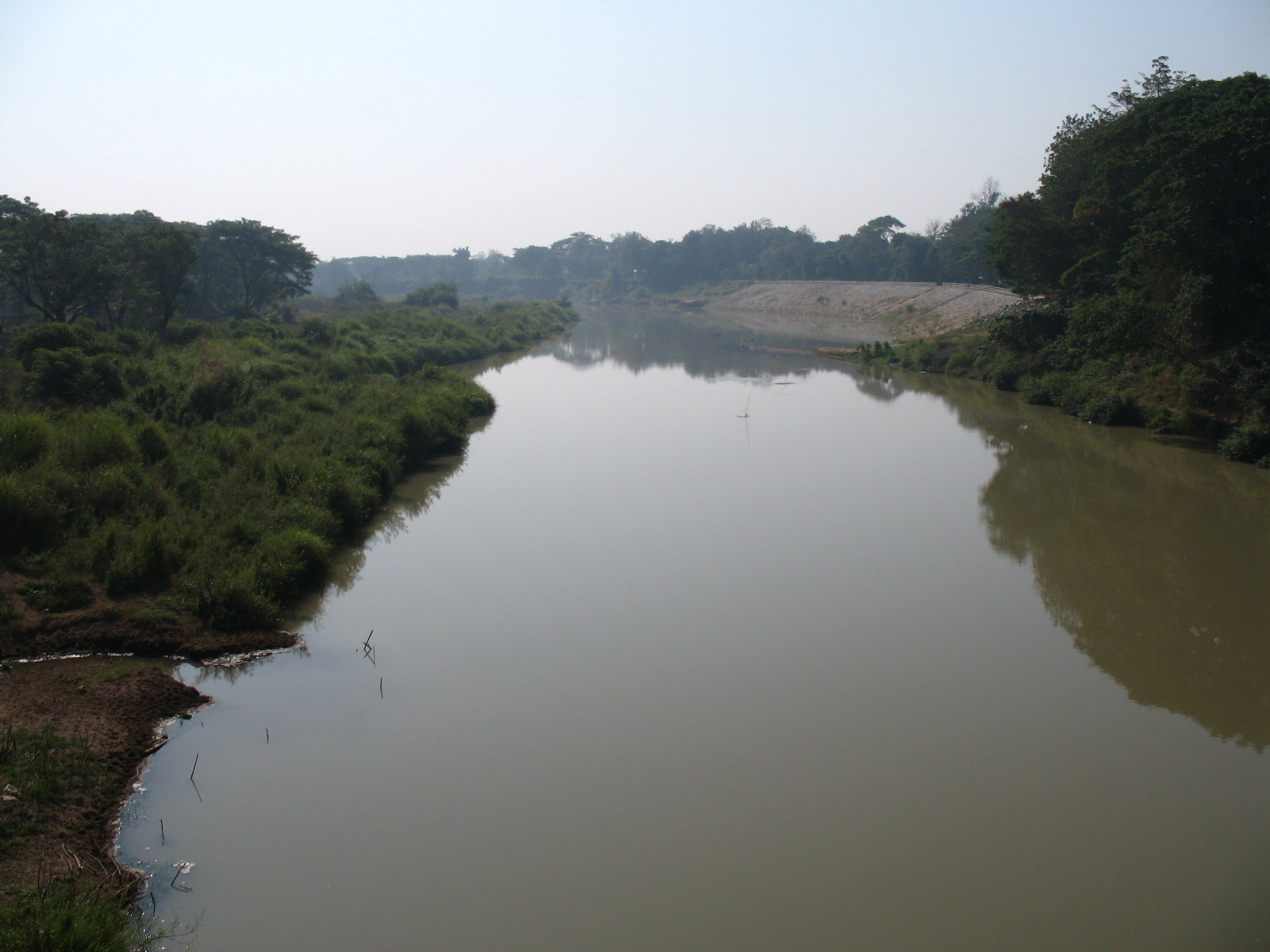
Phudet sums up the town's path in stages, from several kinds of evidence:
| Period | Phrae in the evidence |
|---|---|
| about 4,000 years ago | Prehistoric people at Ban Na Tong |
| 12th century | The Phayao chronicle tells of Phaya Chueang lassoing elephants at Phrae, when it was still "Khwaen Phon Nakhon" |
| 14th century | Sukhothai Inscription No. 1 lists "Mueang Phrae", and legends say the royal houses of Phrae, Hariphunchai and Khelang were related |
| 1443 | King Tilokarat annexes Phon Nakhon to Lanna; Phrae becomes a town under Chiang Mai |
| 1558 | Lanna becomes a tributary of Burma, and so does Phrae |
| 1770 | Phrae's ruler turns to Siam; Phrae becomes a tributary state ruled by a chao luang |
| 1896–1899 | Administrative reform begins, and in 1899 Phrae is annexed to Siam as a provincial town |
The war of 1443 has an interesting detail. Following the Chiang Mai chronicle, Phudet tells that King Tilokarat made his mother the army's commander. The Chiang Mai army had a cannon called "Pu Chao", while Phrae's wall was built of earth, not brick or laterite. Phrae shut its gates against the siege, but in the end submitted. Read more about this king in King Tilokarat, and about the whole land in Lanna: the name and its history.
A conch-shaped town, its gates and the ghost gate
The old town of Phrae is surrounded by a khue mueang (ฅืเมิอฯง, khue mueang), a moat, and a lam wiang (ลำวยฯง, lam wiang), a city wall. The word wiang (วยฯง, wiang) itself means, in the dictionary, both a small town and a wall or fort. An aerial photograph from 1943 that Phudet reproduces shows Wiang Phrae shaped rather like a conch shell, lying east of the Yom River.
The Natural and Cultural Environment Management Division (Office of Natural Resources and Environmental Policy and Planning, ONEP) records that Phrae's old wall is a single earthen wall about 7 metres high, built both against enemies and against floods. Its line and the moat can still be seen today, except the southern moat, which has gone.
Wiang Phrae had 4 gates: Pratu Chai to the east, Pratu Yang Ma, Pratu Si Chum and Pratu Man. Phudet places Yang Ma to the north, Si Chum to the west and Man to the south, while the ONEP record gives slightly different, diagonal directions. "Pratu Mai", the new gate near Yang Ma, was only cut in 1939 and is not counted as an original gate.
Pratu Man had a special role. Phudet says it was the way corpses were carried out of the town, like Saen Pung gate in Chiang Mai and Tha Li gate in Nan. ONEP also calls it "the ghost gate", which matches the Kham Mueang patu phi (ปตูผี, patu phi), defined in the dictionary as "the gate set aside as the way to carry corpses out of the city walls". Compare the plan of Chiang Mai in Jiang Mai.
Phra That Cho Hae: the stupa of the Year of the Tiger
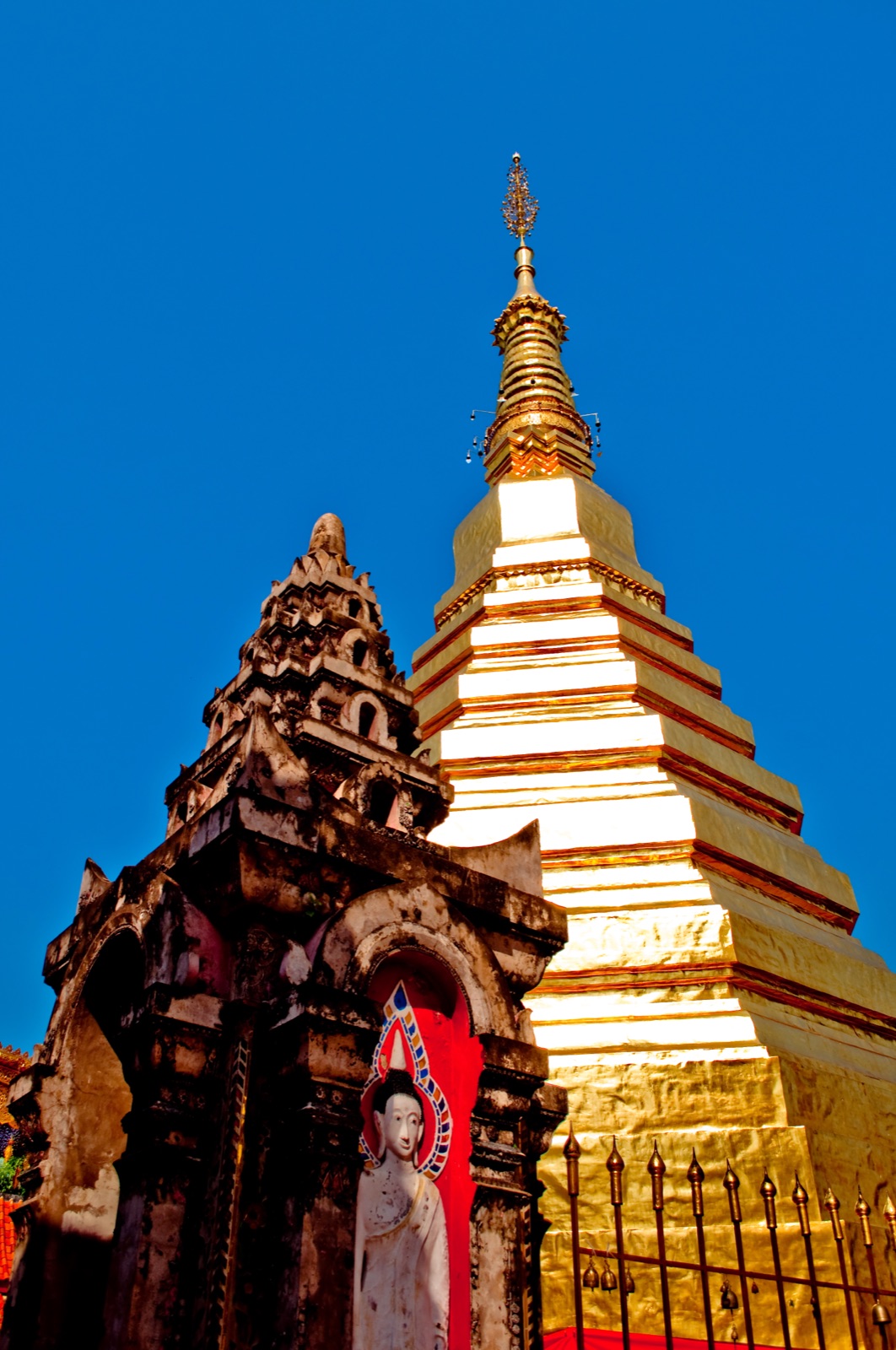
In the dictionary, the entry that pi koet (ธาฯตฯปีเกิดฯ, that pi koet, birth-year stupas) lists the stupas for all 12 birth years, and the stupa for the Year of the Tiger is "Phra That Cho Hae, Wat Phra That Cho Hae, Mueang district, Phrae". In Kham Mueang the Tiger year is called pi yi (ยี, yi), which the dictionary explains as the third year of the animal cycle, with the tiger as its sign. See all 12 stupas and find your own at Birth-year stupas.
Lanna people simply call a stupa "that". The dictionary gives an example under chedi (เจดียฯ ฿ฯ, chedi): "That Cho Hae – Phra That Cho Hae (Phrae)". In Kham Mueang the name is read that cho hae.
Cho Hae means a banner of silk
The name Cho Hae can be read word by word from the dictionary. Cho (ชํอฯ, cho) is a triangular flag or pennant used at both auspicious and funeral ceremonies. Hae (แร, hae) is phrae, silk cloth. And the dictionary even has cho hae (ชํอฯแร, cho hae), meaning "a pennant made of silk".
As for why this stupa is named after a silk pennant, the study by Phuwaraphat Machai and Naitawan Kamhom (2026) gathers two hypotheses: that it comes from fine silk from Sipsong Panna that people tied on in worship, or that it relates to silk offered by Khun Lua Ai Kom. The same study records that worship with silk cloth is still part of the temple's rites today.
Legend and history
According to the legend of the Buddha's travels (Phra Chao Liap Lok) as this study summarises it, the Buddha came to Doi Kosiyathachakkha, gave a hair relic to Khun Lua Ai Kom, and foretold that a relic of his left forearm would later be enshrined here. On the chronicle side, the study cites the Royal Chronicle of Sukhothai, saying the stupa was built in 1336–1338 under King Maha Thammaracha I (Lithai), who gave relics to Khun Lua Ai Kom.
Both stories therefore have Khun Lua Ai Kom at their centre, which fits Phudet's note that this Lua leader later became the temple's guardian spirit. The exact year of building remains a matter of legend and chronicle, not of archaeology.
The stupa is octagonal, clad in brass sheets, lacquered and gilded, about 33 metres high. The Fine Arts Department registered it as an ancient monument in the Royal Gazette in 1935, and its annual festival is held around March (Machai and Kamhom). Khruba Siwichai also restored this stupa: this study gives 1924, while the table in Khruba Siwichai gives 1923, so the sources still differ by a year.
For the Phrae-born senior monk who was abbot of Wat Phra That Cho Hae before becoming abbot of Wat Phra Singh in Chiang Mai, read Phra Ubali Khunupamachan.
Mo hom: the blue of the Phuan of Ban Thung Hong
The dictionary says Phrae "is famous for mo hom cloth, a cultural heritage handed down since ancient times". The colour starts with hom (ห้อฯม, hom), a plant the dictionary says "dyes cloth a blue-black"; dyed with true indigo the cloth comes out a black-tinged sky blue, but people call both kinds mo hom cloth.
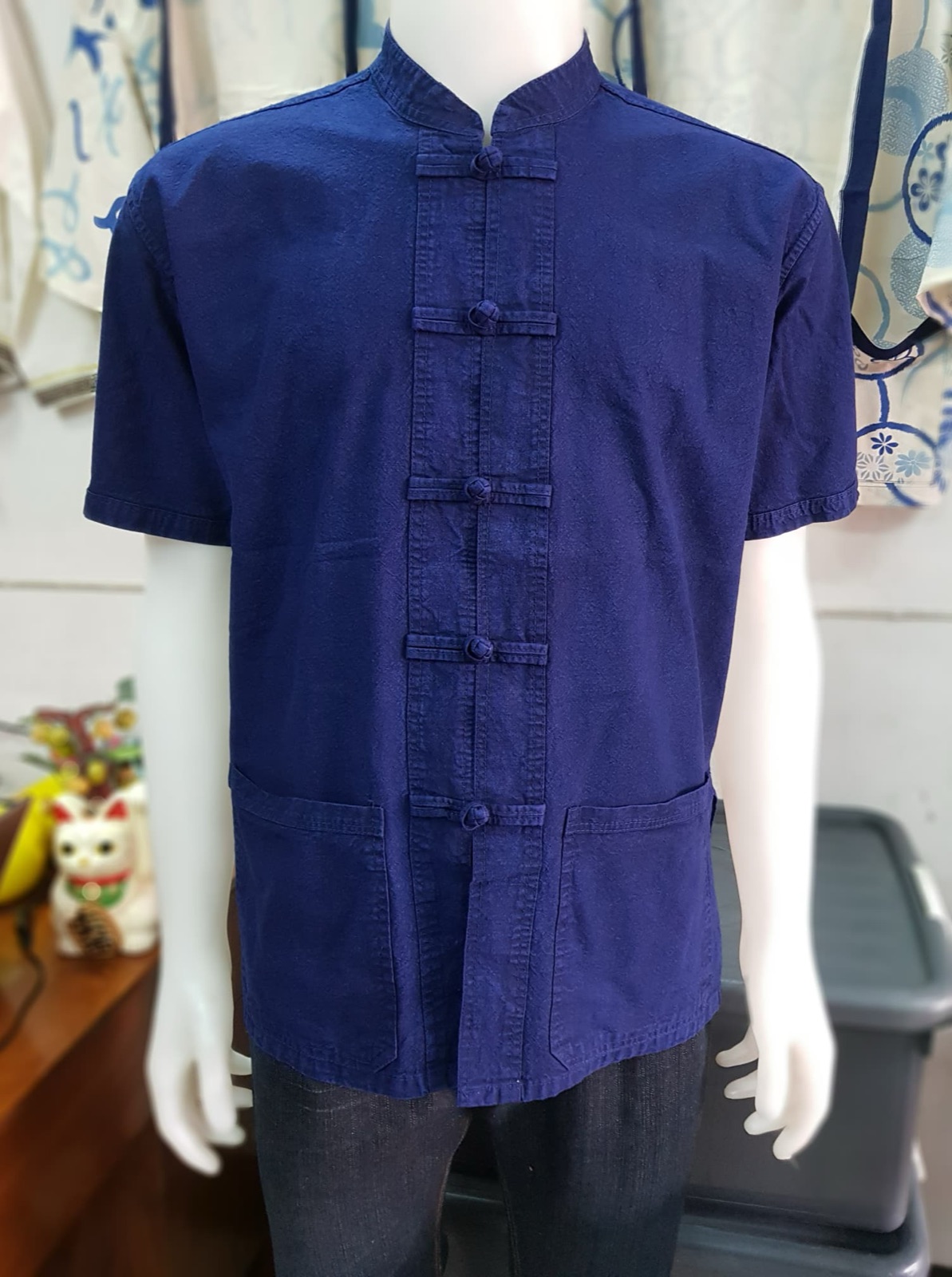
Mo hom (หํมฯอฯห้อฯม, mo hom) in the dictionary is "the pot that holds hom, the fermented dye for dyeing cloth". The cloth that comes out is pha mo hom (ผ้าหํมฯอฯห้อฯม, pha mo hom), which the dictionary describes as plain white cotton dyed dark blue with hom leaves, light, easy to care for and slow to show dirt. Cut as a shirt it is a suea mo hom (เสิ้อฯอหํมฯอฯห้อฯม, suea mo hom); cut as trousers it is a tiao mo hom (ต่ยฯวหํมฯอฯห้อฯม, tiao mo hom).
The Phuan who brought hom to the dye pot
The Princess Maha Chakri Sirindhorn Anthropology Centre records that the Phuan of Ban Thung Hong came from Chiang Khwang, or Mueang Phuan, in Laos. Around 1833–1834 a Siamese army attacked Chiang Khwang and forcibly moved Phuan people, 17 families of whom settled at Nakhon Phrae in 1834. The community later grew into Thung Hong Tai, Thung Hong Nuea, Ban Ko Pao and Ban Rong Than.
Villagers grew cotton and indigo plants at the edges of their rice fields. Women wore mo hom blouses with long fitted sleeves; men wore short-sleeved shirts open at the front, later with buttons instead of ties, which came to be called the kui heng shirt. After 1967 making mo hom shirts became the village's main living, with the men taking them to sell elsewhere; an important market was Ton Lamyai market (Kad Luang) in Chiang Mai.
Praparnporn Teeramongkol (Rajamangala University of Technology Phra Nakhon), in "Mo Hom cloth of Phrae: local wisdom today" (2021), concludes that the Tai Phuan around Ban Thung Hong started dyeing cloth with hom, knowledge passed down for more than 200 years. Hom is grown at Ban Na Tong and Ban Na Khuha, in large, humid forest, and the Thung Hong road lined with mo hom shops is called "the blue road".
From hom leaves to the dye pot
The traditional steps recorded by Teeramongkol and by the Phrae Agricultural Research and Development Center (Department of Agriculture) use several Kham Mueang words that dyers really say:
- Steep the leaves. Soak hom leaves in water for about 2 days (1 kg of hom to 10 litres of water) until the water foams blue, then squeeze the leaves for more colour.
- Suak. Add lime water and plunge a basket up and down until it foams; let it settle and drain on a cloth to get a thick blue-green paste called hom piak (wet hom).
- Ko mo (setting the pot). Mix the paste with dang (ด่างฯ, dang), which the dictionary explains as "ash water that has been filtered or steeped", add tamarind water (some households also add rice-washing water and lime water) and stir until it foams.
- Chok. Scoop the dye up high and pour it back, morning and evening, for about 3–4 days, until the liquid turns yellow like turmeric and the foam on top is purple-blue: the pot is ready.
- Dye and air. Knead the cloth in the pot, squeeze it out and open it to the air, twice a day, usually about 10–15 times.
Why does cloth lifted from a yellow pot turn blue? The report of the Phrae research centre (Pranom Jai-ai et al. 2019) explains that in the lye pot the indigo is in a soluble, yellow form. Once it has soaked into the fibres and the cloth meets the air, the dye joins with oxygen, turns dark green and then blue. The more dips, the deeper the colour, until it reaches si mo hom (สีหํมฯอฯห้อฯม, si mo hom), which the dictionary defines as "blue-black". Follow every step and count the dips yourself in this tool.
Teeramongkol also notes that mo hom dyed with natural hom is becoming rare: setting the pot has no fixed recipe and depends on individual skill, takes a long time and cannot keep up with the market, so the cloth on sale includes chemical dyes, printed patterns and whole shirts dyed after sewing, while some older and younger dyers keep natural dyeing alive. Read more colour and cloth words in Kham Mueang colour words and Lanna cloth and clothing words.
Teak, Khum Chao Luang and Vongburi House
Teak in Kham Mueang is mai sak (ไม้สักฯ, mai sak), which the dictionary describes as a tree with a straight, clear trunk and hard, durable wood, good for building houses and making household things. This wood changed Phrae's economy in the last decades of the chao luang.
Thai PBS (Northern news bureau, 2020) reports that Phrae was at one time the country's biggest exporter of teak. The Bombay Burmah company was the first to log here, followed about 20 years later by the East Asiatic Company, and teak logs from Phrae's forests were stamped on the bank of the Yom before being floated down to the central plains. The trade even left a trace in the dictionary: ngoen thaep (เงินฯแถปฯ, ngoen thaep) is the Indian rupee, which the dictionary says "came with the teak trade" and became the main currency circulating in Lanna, before the baht replaced it after the railway arrived.
Khum Chao Luang of Phrae
The house of a northern noble is called a khum (ฅุ้ม, khum) in Kham Mueang, and a city's highest ruler was the chao luang (เจั้าหลฯวฯง, chao luang); the dictionary says the five major cities with a chao luang were Chiang Mai, Lamphun, Lampang, Phrae and Nan.
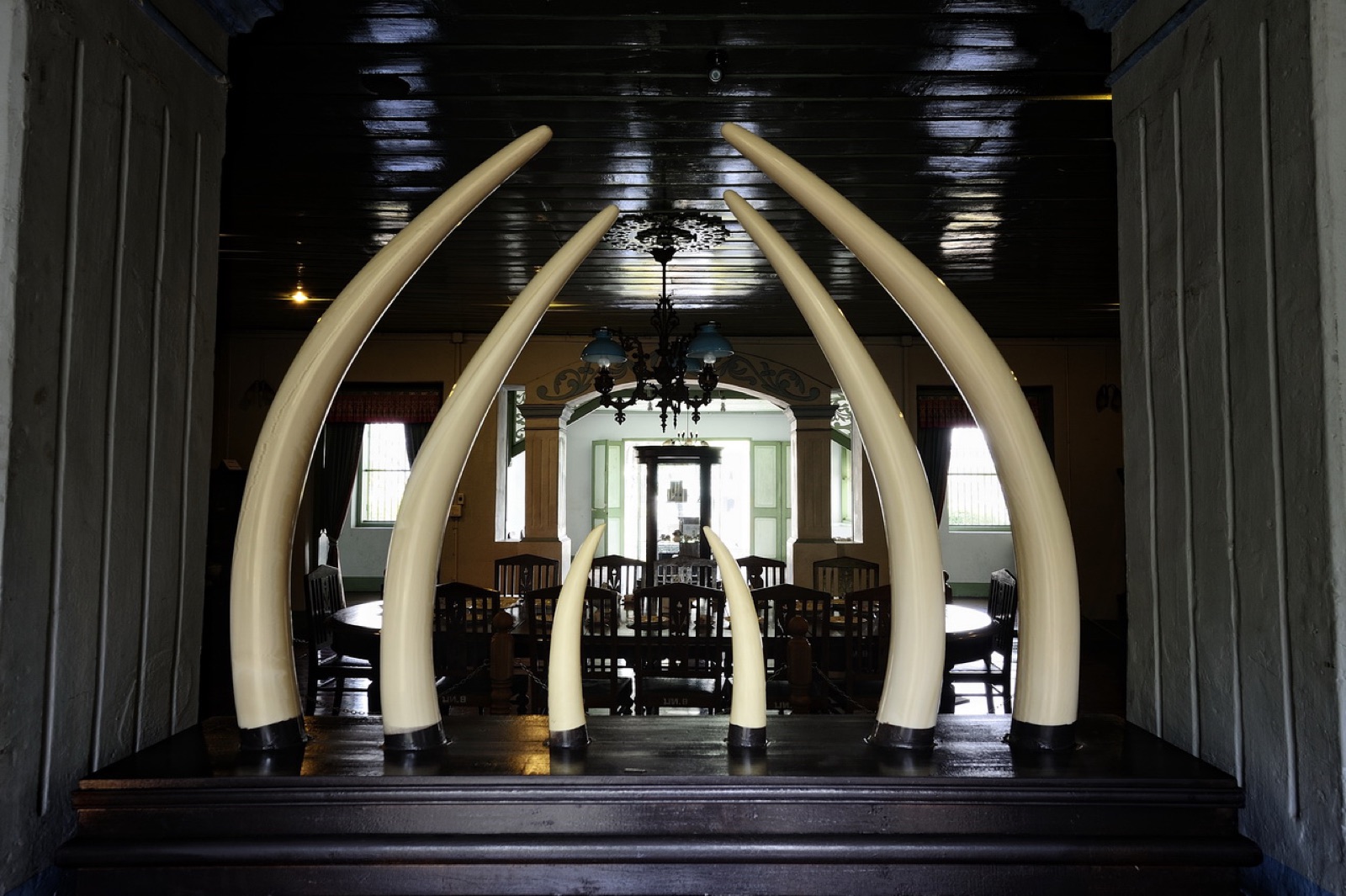
The Designated Areas for Sustainable Tourism Administration (DASTA) records that Khum Chao Luang of Phrae was built in 1892 by Chao Phiriya Thepphawong. It is a two-storey brick-and-mortar building with no driven piles, resting instead on hardwood logs; its roof was originally of wooden shingles, and it has 72 doors and windows in all. Today it is a museum. The work of Chaiyaphong Samniang (Naresuan University), published through the Sirindhorn Anthropology Centre, calls Chao Phiriya Thepphawong the last chao luang of Phrae, whose rule ended with the events of 1902.
Vongburi House: the pink teak house
If Khum Chao Luang is a brick building, the teak house people think of when they think of Phrae is Vongburi House (Khum Vongburi) on Kham Lue Road. ONEP (2020) relates that it was built at the wish of Mae Chao Bua Tha, consort of Chao Phiriya Thepphawong, as a wedding gift for Chao Sunanta, daughter of Chao Burirat, and Luang Phongphibun. The wood is top-grade teak from the Huai Khamin forest owned by Chao Burirat.
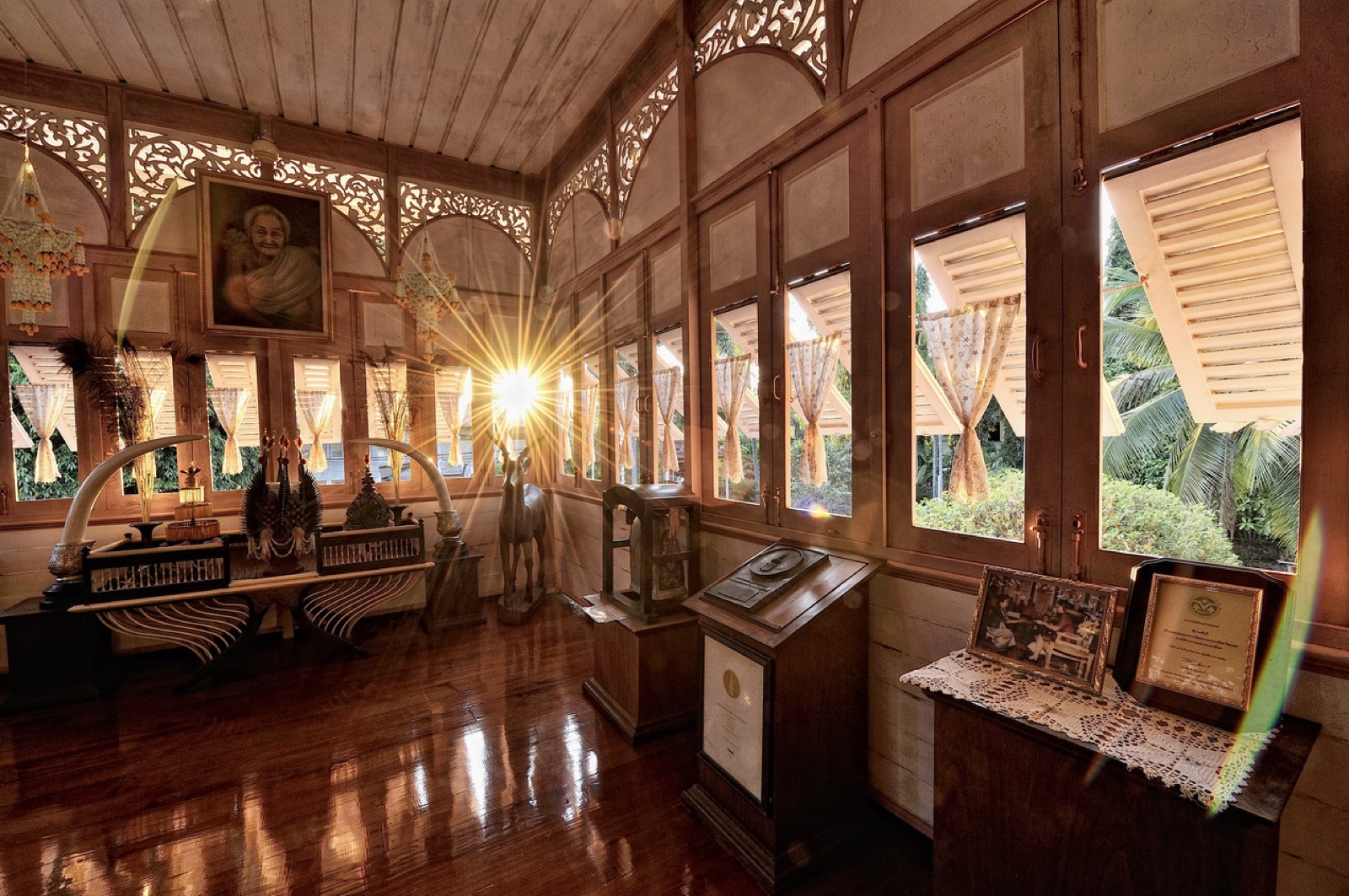
The house is two storeys of teak, mixing Lanna and European styles, painted pale pink, Mae Chao Bua Tha's favourite colour. Its gables, eaves, vents and door heads carry fretwork called "gingerbread" patterns. The timbers are joined with tenons and wooden wedges instead of nails, and there is a raised sitting area called a toen (เตินฯ, toen), which the dictionary explains as a hall outside the bedroom used for receiving guests, sitting, sleeping and eating. The house won an outstanding conservation award from the Association of Siamese Architects in 1993 and is now a private museum.
The Phrae motto, line by line, and the yom khao tree
The dictionary records Phrae's motto as "Mo hom and teak, home of Phra Lo's love, Cho Hae the glory of the city, famous Phae Mueang Phi, the people of Phrae are good-hearted". The first two lines and the third are told above; three more remain.
Home of Phra Lo's love
This line refers to the classic poem Lilit Phra Lo. A study by Chaweewan Suwannapha and Phatnari Atthawong (Nakhon Phanom University, 2016) looks at Song district in Phrae as a place that appears in Lilit Phra Lo, and mentions the cultural ground for asking blessings of Pu Chao Saming Phrai, a custom local people keep to this day. Phudet records that Mueang Song was once a dependency of Nakhon Phrae.
Scholars do not all agree. Sujit Wongthes has written in Silpa Wattanatham that the cities of the Phra Lo story are not in Lanna at all, and that Phra Lo's own city was Luang Prabang. Such disagreement is normal for old literature; what matters here is that the people of Song have loved the Phra Lo story so much that it became part of the provincial motto.
Famous Phae Mueang Phi
Many people read the name Phae Mueang Phi and picture a goat. But in Kham Mueang phae (แระฯพะ, phae) means "scrub forest", also called pa phae; the animal that Central Thai calls phae is pae in Kham Mueang, a different word. Phae Mueang Phi is the scrub forest that looks like a city of ghosts.
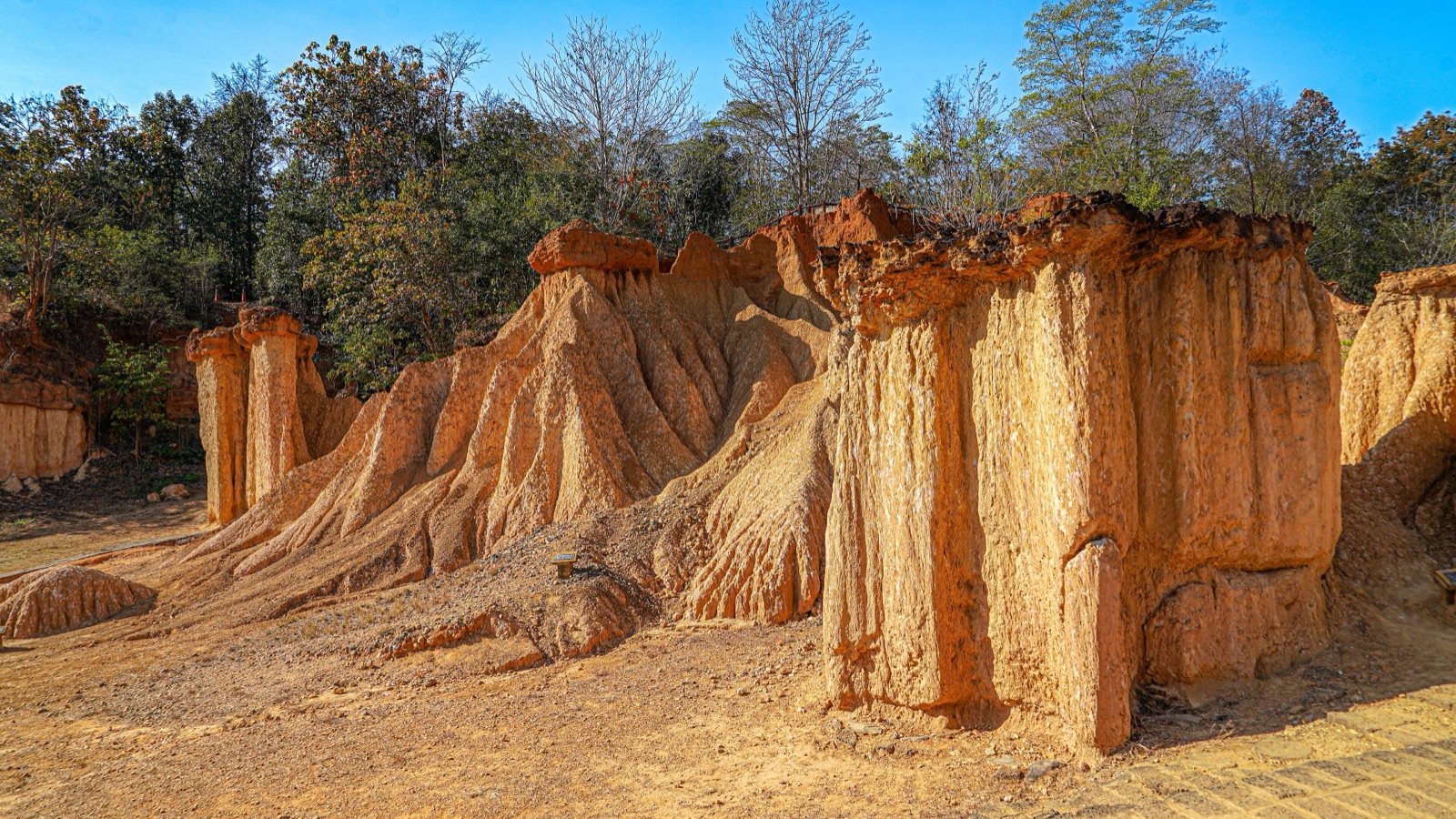
It is a forest park of strangely shaped earth pillars standing in groups, and in 2011 Manager Online reported that Phae Mueang Phi was one of the pilot sites of Thailand's "national heritage" recognition project.
The people of Phrae are good-hearted, and the yom khao tree
The word ngam (งา, ngam) is wider in Kham Mueang than "beautiful": the dictionary gives beautiful, pleasing, heart-warming, easy, good and plenty. The motto's last line can be read warmly in several ways.
Phrae's provincial tree is the yom hin (ย฿มฯหินฯ, yom hin), which Northern people usually call yom khao (ย฿มฯขาวฯ, yom khao, Chittagong wood). The dictionary describes a tree 15–25 metres tall with a straight, clear trunk, buttresses at the base, bark that cracks into deep furrows with age, pinnate leaves and dry fruit that split into 3–5 parts; its wood is attractively figured, glossy and yellowish brown. See the yom khao and the other provincial trees in The 8 Lanna provinces.
People and Pae-style Kham Mueang
Many peoples have long lived together in Mueang Pae. Besides the Lua, who were here first, and the khon mueang (ฅ฿นฯล้านฯนาฯ, khon mueang), the Tai Yuan majority, there are the Phuan of Ban Thung Hong described above, and the dictionary records the Lao Kao (ลาวฯกาวฯ, lao kao) as a Tai group in Nan and Phrae of Isan Lao origin, with an accent different from other Lao groups. Read about the many peoples of the neighbouring province in Nan.
Words the dictionary marks as Phrae's
The Moradok Lanna dictionary marks several words as used specifically in Phrae, or as Phrae's name for something:
| Kham Mueang | Lanna script | Meaning in the dictionary |
|---|---|---|
| hai | ไห้ยฯ | elder sister (used in Phrae) |
| i wot | อี่โห฿วฯด | gibbon, used in Phrae (elsewhere i kut, i wui, i hui) |
| kong uet | กลฯอฯงอืดฯ | a big drum like the kong luang but longer, for nail dances and processions (only in Phrae) |
| kong tom tem | กลฯอฯงท฿มฯเทัมฯ | Phrae's name for the kong talot pot, a small two-headed drum that keeps time for drum ensembles |
| ya pae | อยฯาแระฯพ่ | fine tobacco from Phrae |
| diat | ดยฯด | to sting (bees, wasps, scorpions); used in Lampang, Phrae and Nan |
In literature, the dictionary records kam chom (คำฯจ่฿มฯ, kam chom), which besides meaning a lament is the name of an emotional poem that Phraya Phromwohan wrote while held in prison in Phrae, about events from his own life.
Phrae's music has its own region too. The dictionary explains pheng so (เพลฯงซํอฯ, pheng so, sung verse) as falling into two zones: eastern Lanna, that is Nan, Phrae, Phayao and parts of Chiang Rai, sings so with the salo fiddle and sueng lute, called "so Nan" as a whole, unlike Chiang Mai so accompanied by pipes. Read more in Sung Lanna verse and Salo, so and sueng.
What to eat in Mueang Pae
THE STANDARD (2020) recommends three dishes that "tell you this is Phrae":
- Larb Phrae. Phrae's larb (ลาปฯ, lap) stands out for ba khwaen (บ่าฯแข่วฯร, ba khwaen), a local spice with a numbing heat, and galangal aged one to two years.
- Khanom sen nam sai. Rice noodles, called khao nom sen (เขั้าห฿นฯมเส้นฯ, khao nom sen) in Kham Mueang, in a clear broth with minced pork.
- Nam phrik nam yoi. A Phrae condiment like crispy pork-rind chilli paste, sprinkled over the noodles.
Read more food and eating words in Kin: Kham Mueang eating phrases and The Lanna kitchen.
Visiting Mueang Pae like a local
Next time you go to Phrae, try greeting people with these Kham Mueang words. All of them come from the dictionary.
| Kham Mueang | Lanna script | Meaning | Try it |
|---|---|---|---|
| aeo | แอ่วฯ | to go out, to travel | ma aeo mueang pae (come and visit Mueang Pae) |
| wai sa | ไห้วฯสา | to pay respect | wai sa phra that cho hae (pay respect at Phra That Cho Hae) |
| ya yang | ยหัยฯง | to do what | hai ya yang yu (what are you doing, sister?) |
| tao dai | เทัาฯฯได | how much | suea mo hom to ni tao dai (how much is this mo hom shirt?) |
| kin khao | กินฯเขั้า | to eat (a meal) | kin khao laeo ka (have you eaten yet?) |
| lam tae | ลำแท้ | really delicious | lap phrae lam tae (Phrae larb is delicious) |
| muan | ม่วฯร | fun, enjoyable, pleasant | aeo mueang pae muan nak (visiting Mueang Pae is great fun) |
Summary
- Phrae in Kham Mueang is Mueang Pae; its old name is Wiang Kosai, and in early evidence Khwaen Phon Nakhon. The town has no chronicle of its own, so there is no founding year that can be checked.
- Phrae joined Lanna in 1443 under King Tilokarat, passed through the Burmese era and the era as a Siamese tributary, and was annexed to Siam as a provincial town in 1899.
- Phra That Cho Hae is the birth-year stupa for people born in pi yi (the Tiger year); its name means a silk pennant, the dictionary word cho hae.
- Mo hom cloth comes from the knowledge of the Phuan of Ban Thung Hong: steeping, suak, setting the pot, chok, and dipping about 10–15 times until it is blue-black.
- Teak made Phrae rich in the last decades of the chao luang, leaving Vongburi House, the word ngoen thaep and the motto "mo hom and teak"; the provincial tree is the yom khao.
Look up every Kham Mueang word in this post in the Moradok Lanna dictionary (in Thai), and read the Kham Mueang names and mottos of the other provinces in The 8 Lanna provinces.
📚 Whole series: see provinces, old cities and peoples on one map at Places of Lanna: 8 Provinces, Old Cities and Peoples
Sources
- Moradok Lanna dictionary (moradoklanna.com/dict): เมืองแป้ · ห้อม · ผ้าหม้อห้อม · จ้อแฮ · ยมหิน · แพะ and every word in the post, checked 23 October 2026
- ภูเดช แสนสา [Phudet Saensa]. (2016). พัฒนาการทางประวัติศาสตร์และตัวตนของเมืองแพร่ [The historical development and identity of Mueang Phrae]. Khuang Phaya Journal, Chiang Mai Rajabhat University, 11, 126–168. (in Thai)
- ภูวารภัทร ม้าชัย และ ในตะวัน กำหอม [Phuwaraphat Machai & Naitawan Kamhom]. (2026). ช่อแพร: ความเชื่อคนปีขาลกับตำนานการมาไหว้พระธาตุช่อแฮ [Cho Prae: beliefs of people born in the Tiger year and the legend of Phra That Cho Hae]. Journal of Intellect Education, 5(2), 437–448. (in Thai)
- ประพาฬภรณ์ ธีรมงคล [Praparnporn Teeramongkol]. (2021). ผ้าหม้อห้อมเมืองแพร่ ภูมิปัญญาท้องถิ่นกับบริบทสังคมปัจจุบัน [Mo Hom cloth of Phrae: local wisdom in today's society]. RMUTP Home Economics Technology Journal, 3(2), 99–110. (in Thai)
- ประนอม ใจอ้าย และคณะ [Pranom Jai-ai et al.]. (2019). การเตรียมน้ำย้อมห้อมที่เหมาะสมสำหรับการย้อมผ้า [Preparing a suitable hom dye bath for dyeing cloth]. Research report, Phrae Agricultural Research and Development Center, Department of Agriculture. (in Thai)
- ศูนย์มานุษยวิทยาสิรินธร [Princess Maha Chakri Sirindhorn Anthropology Centre]. (2020). ภูมิปัญญาหม้อห้อมชาวพวนบ้านทุ่งโฮ้ง หมู่ที่ ๑ [Mo hom wisdom of the Phuan of Ban Thung Hong]. 24 Communities online exhibition. (in Thai)
- ชัยพงษ์ สำเนียง [Chaiyaphong Samniang]. พิริยวงศ์อวตาร: การประดิษฐ์สร้างตัวตนใหม่ทางประวัติศาสตร์ [Phiriyawong reincarnated: the reinvention of a historical figure]. Sirindhorn Anthropology Centre. (in Thai)
- สำนักงานนโยบายและแผนทรัพยากรธรรมชาติและสิ่งแวดล้อม [ONEP]. (2020). กำแพงเมือง-คูเมืองเก่าแพร่ [The old city wall and moat of Phrae]. Cultural heritage sites worth conserving. (in Thai)
- สำนักงานนโยบายและแผนทรัพยากรธรรมชาติและสิ่งแวดล้อม [ONEP]. (25 June 2020). คุ้มวงศ์บุรี อายุกว่า ๑๐๐ ปี บ้านอีกหลังที่ชาวแพร่ภูมิใจ [Khum Vongburi, over 100 years old]. (in Thai)
- องค์การบริหารการพัฒนาพื้นที่พิเศษเพื่อการท่องเที่ยวอย่างยั่งยืน [DASTA]. พิพิธภัณฑ์เมืองแพร่คุ้มเจ้าหลวง [Khum Chao Luang Museum, Phrae]. CBT Thailand. (in Thai)
- โกวิท บุญธรรม [Kowit Bunthamm]. (26 June 2020). ย้อนตำนาน "เรือนเขียว" เมืองแพร่ ทำไมจึงสำคัญ-มีคุณค่า [The story of Phrae's "green house"]. Thai PBS. (in Thai)
- ฉวีวรรณ สุวรรณาภา และ พัฒน์นรี อัฐวงศ์ [Chaweewan Suwannapha & Phatnari Atthawong]. (2016). ลิลิตพระลอ: การเสริมสร้างการเรียนรู้และจริยธรรมทางสังคม [Lilit Phra Lo: learning and social ethics]. Journal of Humanities and Social Sciences, Nakhon Phanom University, 6(1). (in Thai)
- สุจิตต์ วงษ์เทศ [Sujit Wongthes]. บ้านเมืองเรื่องพระลอ ไม่มีอยู่จริงในล้านนา [The cities of Phra Lo are not in Lanna]. Silpa Wattanatham. (in Thai)
- วรนิต หิรัญพงษ์ [Woranit Hiranphong]. (18 November 2020). คำปา ร้านอาหารเหนือที่เล่าเรื่องเมืองแพร่ผ่านเมนูเมืองเหนือที่หลากหลาย [Kham Pa, a northern restaurant telling Phrae's story]. THE STANDARD. (in Thai)
- ผู้จัดการออนไลน์ [Manager Online]. (27 June 2011). ผุด "มรดกชาติ" รับรองแหล่งวัฒนธรรมและธรรมชาติไทยเอง [Thailand launches its own "national heritage" recognition]. (in Thai)
Practise the words from this article
Flip through 40 flashcards of the Lanna words used in this article.
Look up "เมืองแป้" in the Moradok Lanna dictionary (in Thai)


